How magnetic targeting of drugs and/or magnetically induced release of drugs can be harnessed to improve the treatment of cancer.


How magnetic targeting of drugs and/or magnetically induced release of drugs can be harnessed to improve the treatment of cancer.
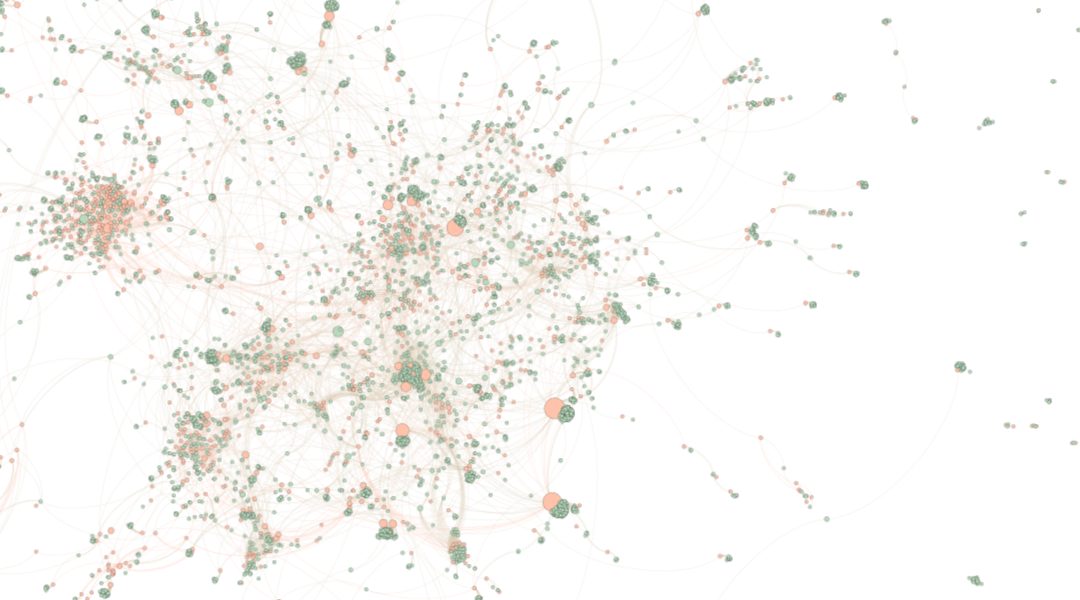
At the core, this WIREs Nanomedicine & Nanobiotechnology review argues that innovators sought to deal with these uncertainties by building upon approved technologies, favoring scientifically crowded fields.
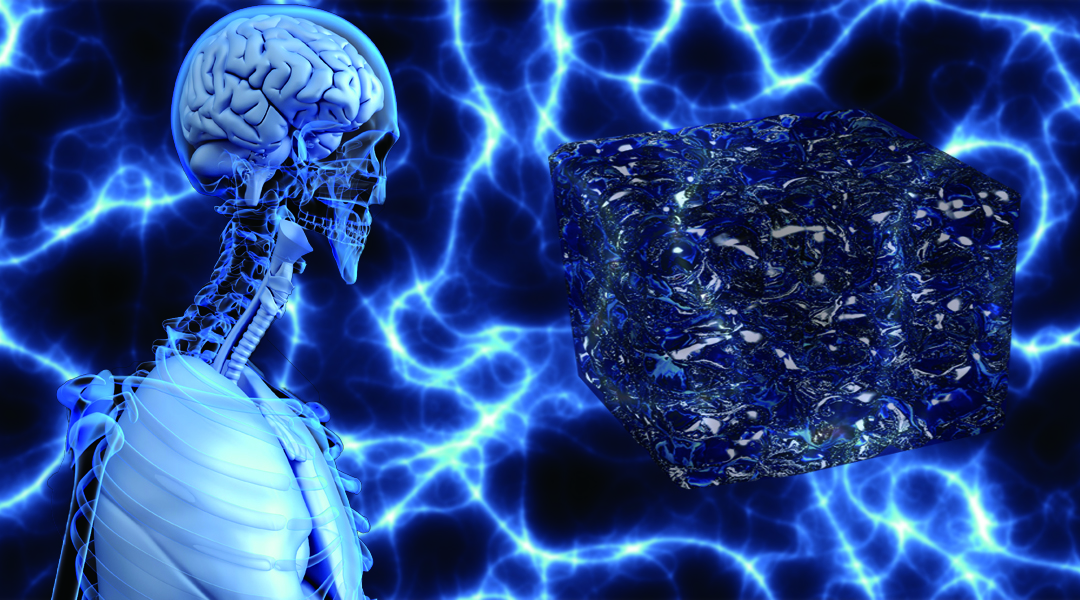
Electroconductive hydrogels resemble the extracellular matrix in tissues, enabling cell growth, proliferation, and migration.

Researchers in China develop a novel vaccine that could pave the way to preventing cross-species transmission of influenza A.
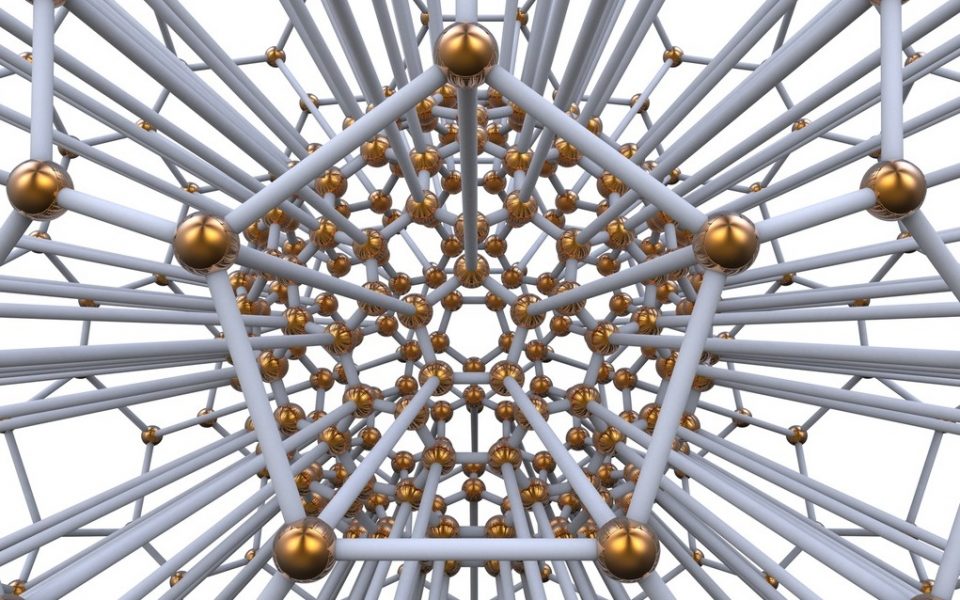
A plasma‐based gas‐phase method for a direct and lower‐cost synthesis of gold nanoparticle and gas entrainment.

A novel solution-processing organic flexible synaptic device with bidirectional linear conductance regulation.
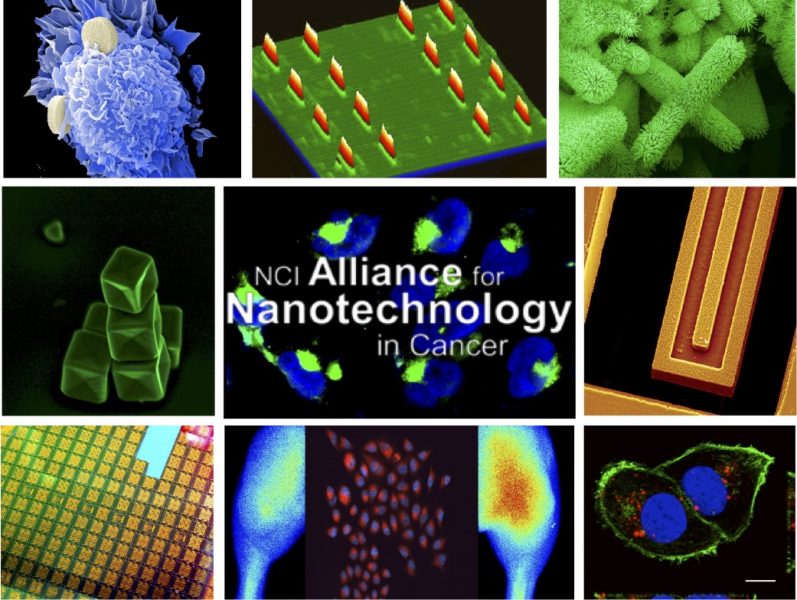
The NCI Alliance for Nanotechnology in Cancer program was established in 2005 to accelerate integration of nanotechnology into cancer research and oncology.

The ability to collocate multiple functionalities will create new opportunities for the fabrication of “smart” soft robotic systems.
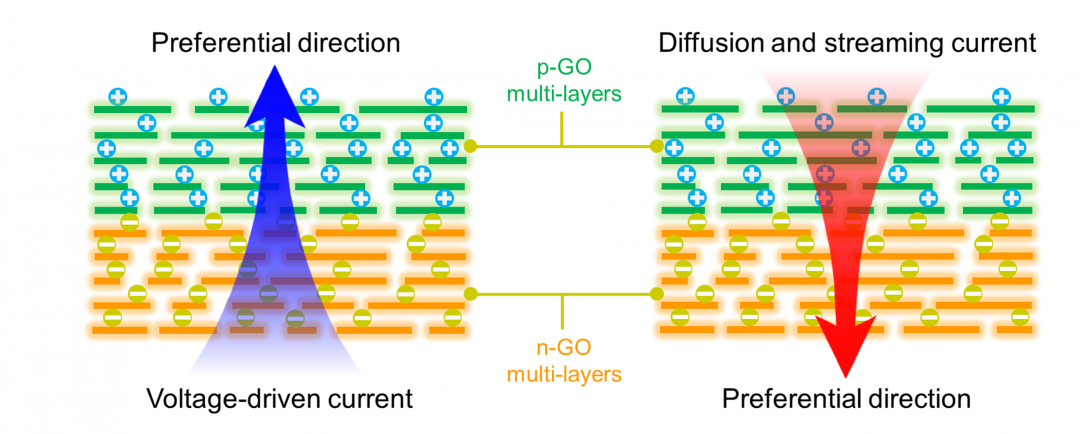
Ion transport in nanoscale channels and pores exhibits drastically different properties from those in bulk solution if at least one dimension of the channel approaches the characteristic length scale of the electrostatic, van der Waals, or hydrophobic interactions. In...

A novel cell type with interlocked packing found to be responsible for the hardness of walnuts’ shell
 Micron-sized hidden dimensions could solve two of physics’ deepest puzzles
 Turning Periods into Power: Menstrual Blood a Valuable Resource for Medical Diagnostics
 Surfactants Steer Supraparticle Structure
 Bone loss in obesity traced to gut microbiota
 Edible electronics realize safe, complex monitoring devices
 Fermilab Confirms Muon g-2 Measurements