Novel fluorescent technology targets urinary tract infections by enabling early, real-time detection of E. coli bacteria in catheter bags.
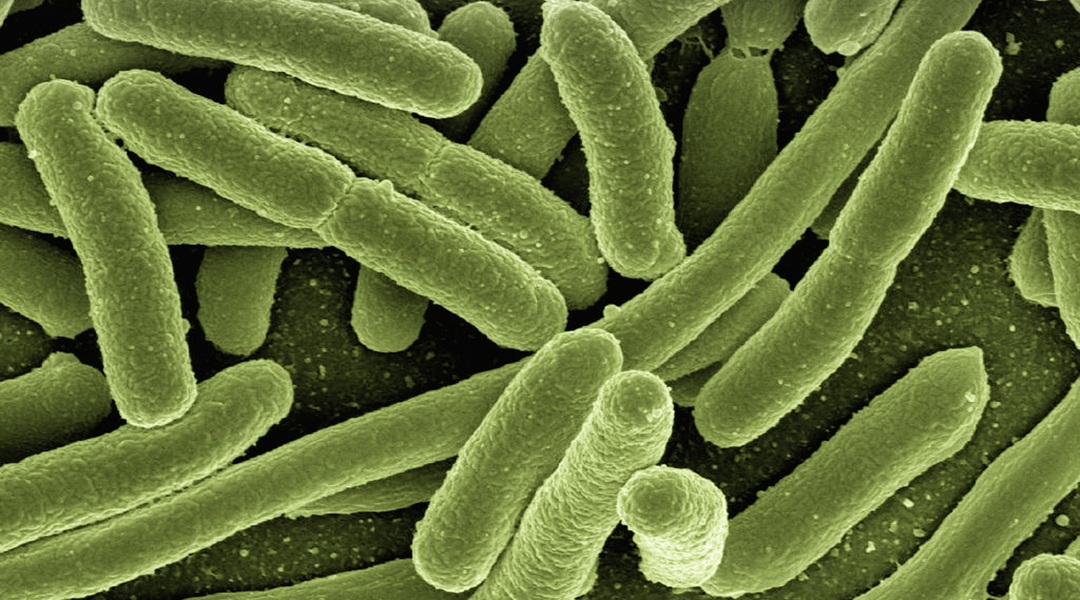

Novel fluorescent technology targets urinary tract infections by enabling early, real-time detection of E. coli bacteria in catheter bags.

For the first time, scientists have detected microplastics in cancerous gastric tissue.
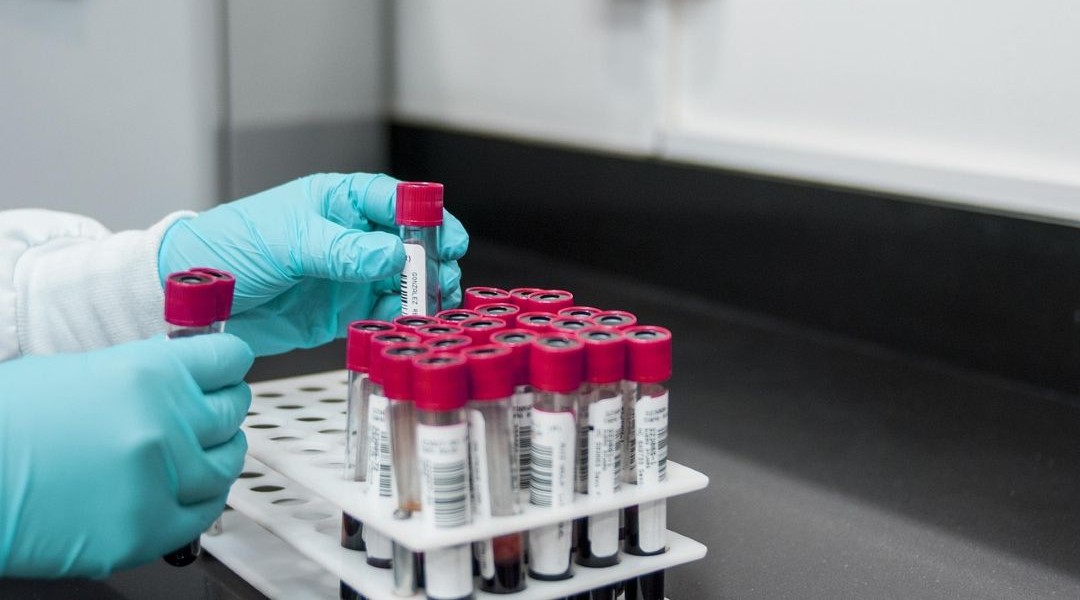
Yearly screening with multi-cancer blood tests could nearly halve late-stage diagnoses.

Previously overlooked non-canonical splicing variants are shown to lead to aberrant mRNA splicing in male infertility cases.
Edible electronics from non-toxic materials enable complex ingestible devices for healthcare and food monitoring.
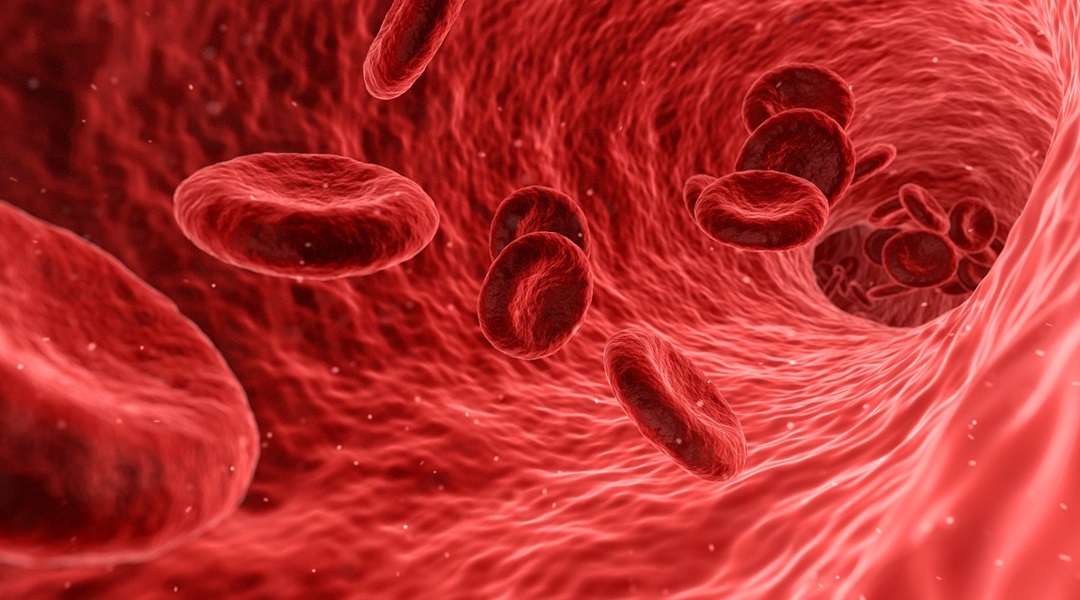
Wearable sensors help women analyse menstrual blood for affordable, non-invasive health monitoring.

Scientists have developed a CRISPR-based diagnostic that detects pathogens in blood with million-fold greater sensitivity—without the need for DNA amplification.

Scientists find unique combinations of oral microbes can help identify states of stress in pregnant individuals.

A new study urges doctors to turn to more dependable tests to prevent the development of type II diabetes in mothers and children.
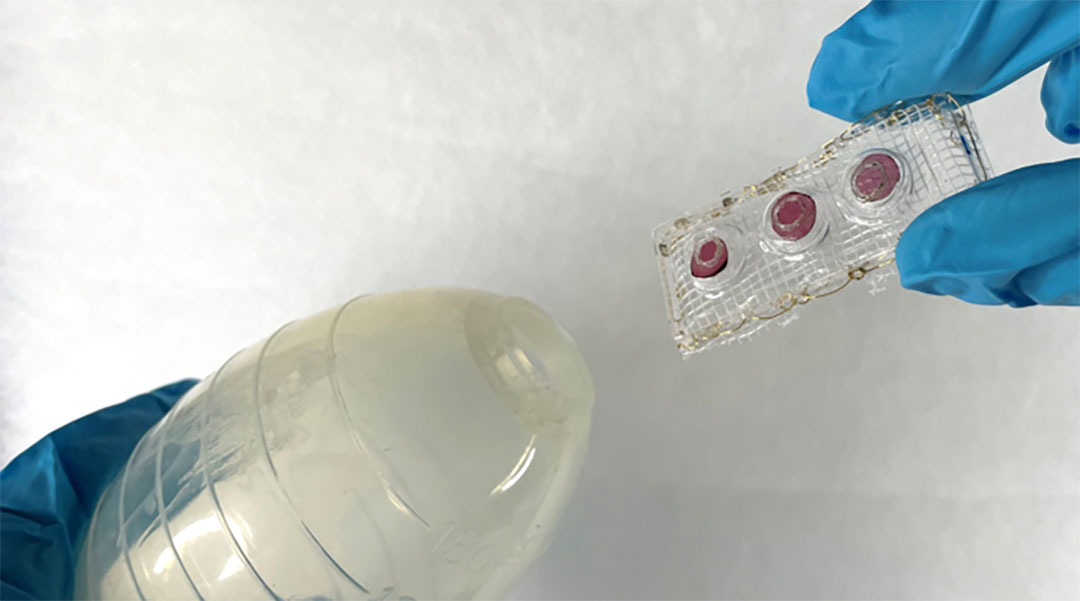
Enzymes embedded into a plastic strip enable the rapid, naked eye-detection of incompletely healed tissue following abdominal surgery.

 Micron-sized hidden dimensions could solve two of physics’ deepest puzzles
 Turning Periods into Power: Menstrual Blood a Valuable Resource for Medical Diagnostics
 Bone loss in obesity traced to gut microbiota
 Surfactants Steer Supraparticle Structure
 Edible electronics realize safe, complex monitoring devices
 Fermilab Confirms Muon g-2 Measurements