Pudding-like implants with a sugar-based delivery system show promise in reducing the foreign body response against brain implants.
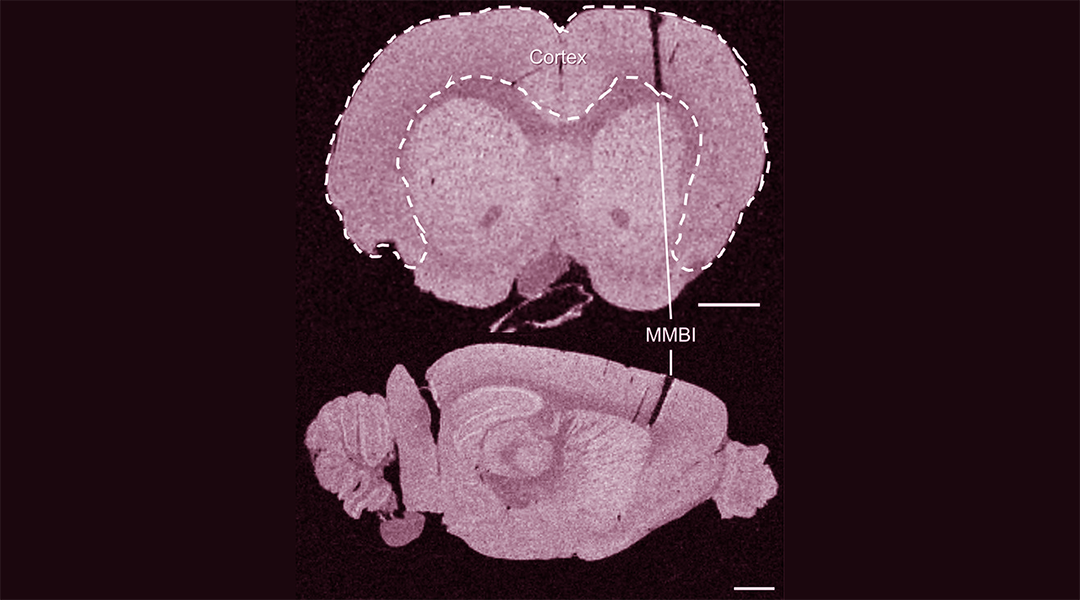

Pudding-like implants with a sugar-based delivery system show promise in reducing the foreign body response against brain implants.
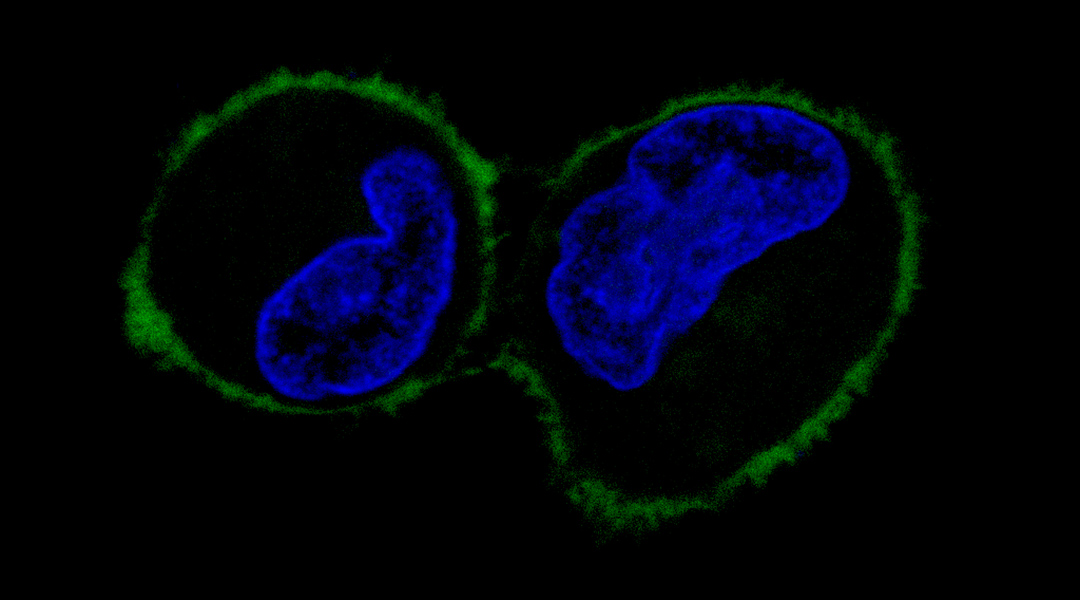
Polypeptides that selectively induce calcification of cancer cells could improve early detection and limit the progression of lung cancer.

In this study, a drug to treat Parkinson’s disease is linked to a molecule that enables it to better penetrate the brain.
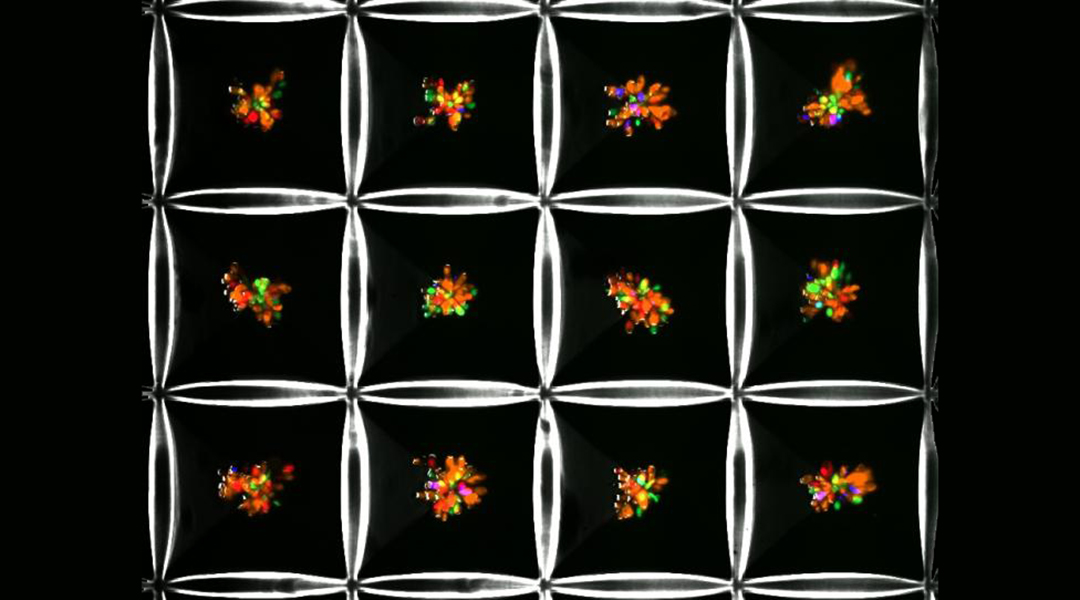
A structurally representative liver-on-a-chip models the full progression of non-alcoholic fatty liver disease, which researchers hope will lead to better treatments.
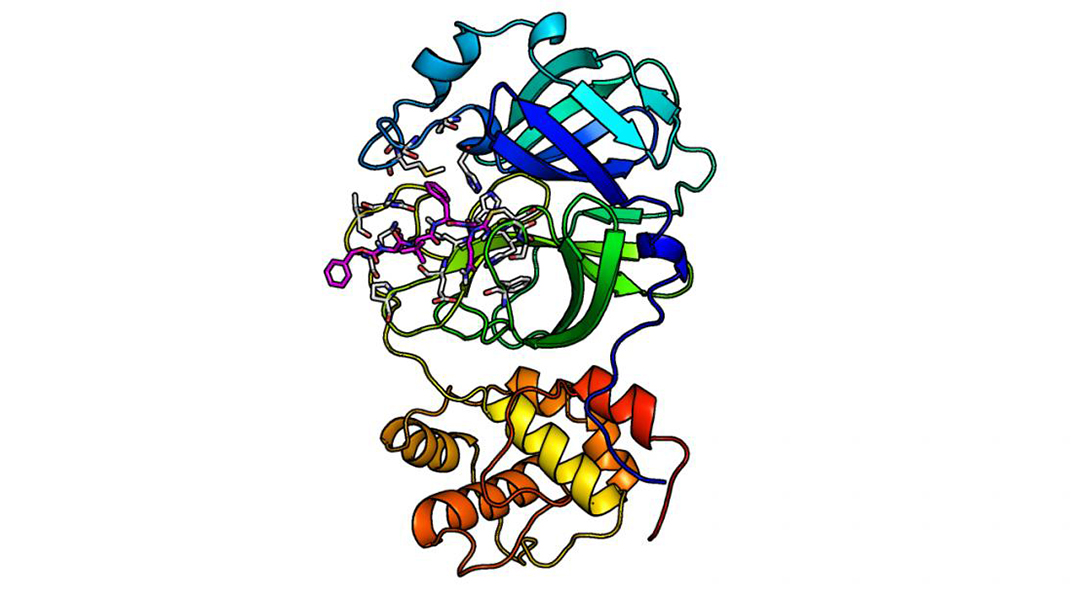
New active substances that can block the replication of the SARS-CoV-2 coronavirus discovered in proof-of-concept study.
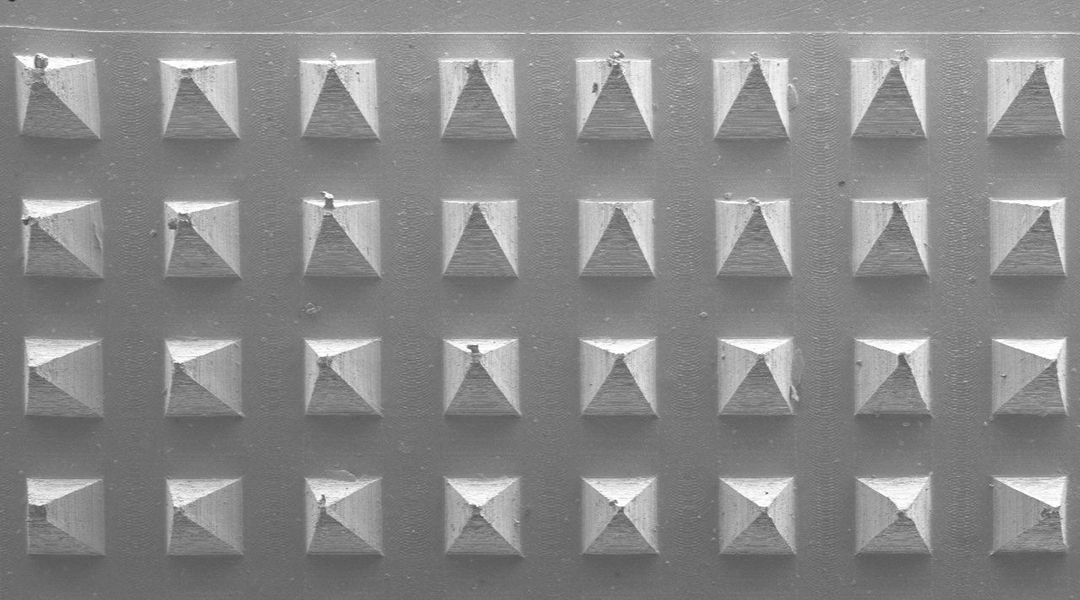
Minimally invasive delivery of capsaicin into adipose tissues under the skin shows promise for countering obesity.
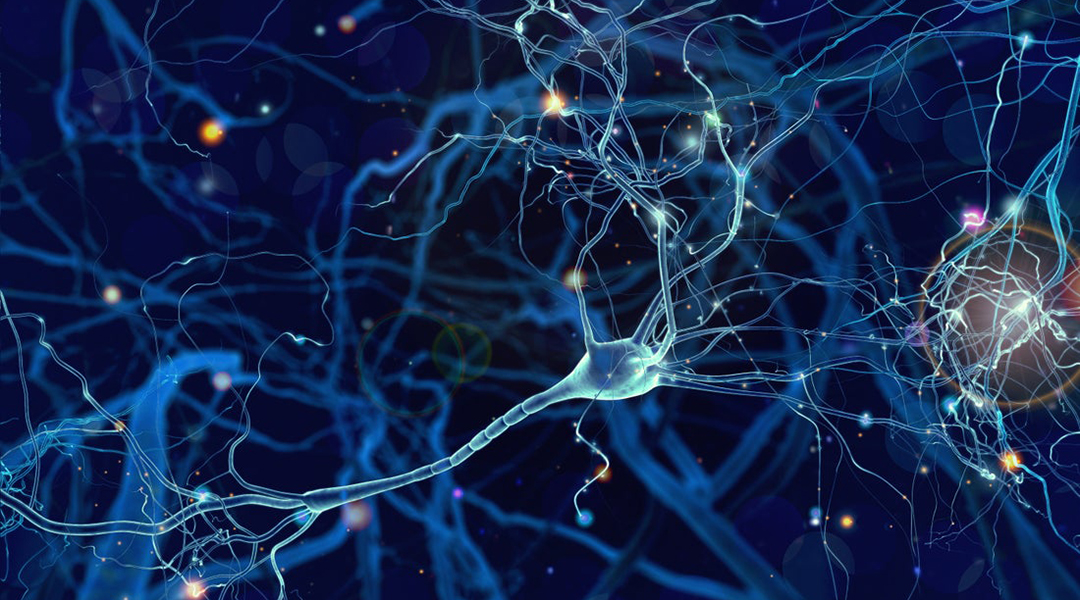
A new study provides hope for Parkinson’s disease, showing that neuron grafts using patients’ own cells have the potential to manage and even reverse symptoms.
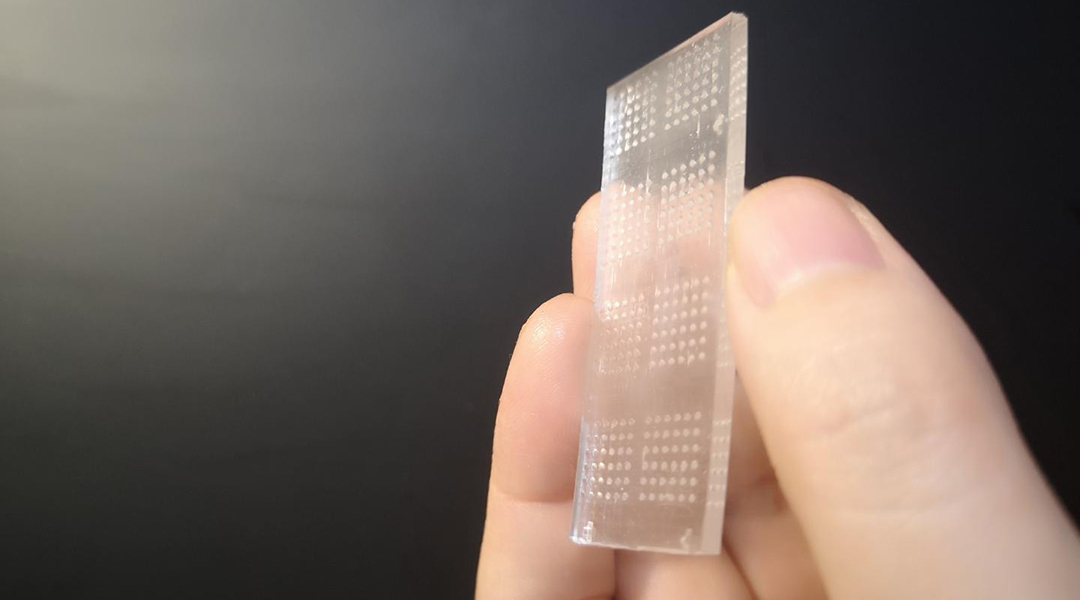
A new microwell chip holds promise for screening immunotherapy drugs with the added bonus that it can include a patient’s own cells for optimized treatment planning.
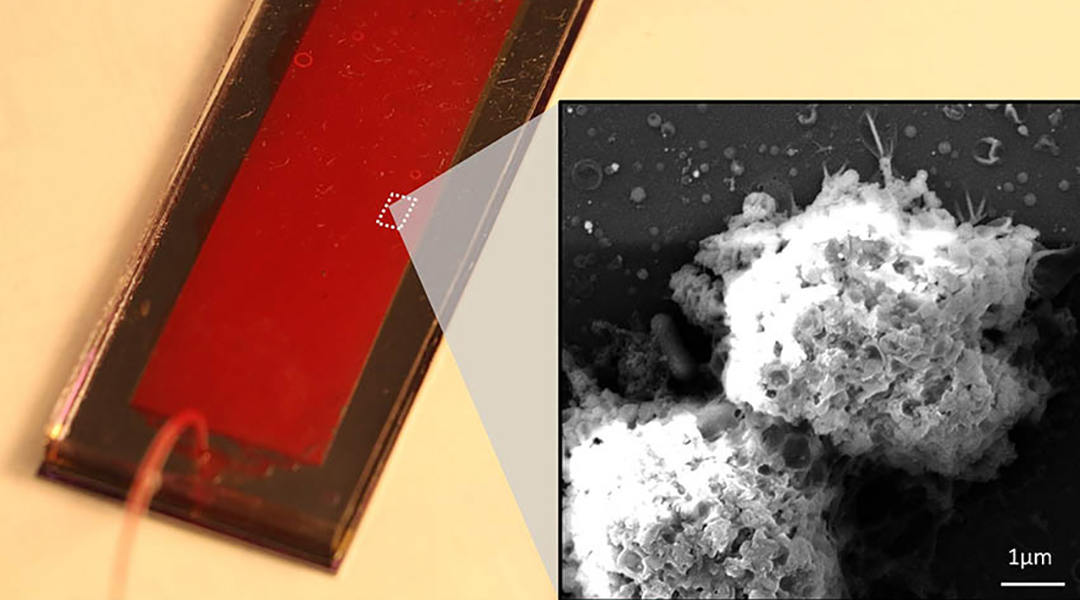
Engineers and oncologists teamed up to develop a microfluidic chip capable of capturing the body’s natural killer immune cells to harvest their cancer-killing exosomes.
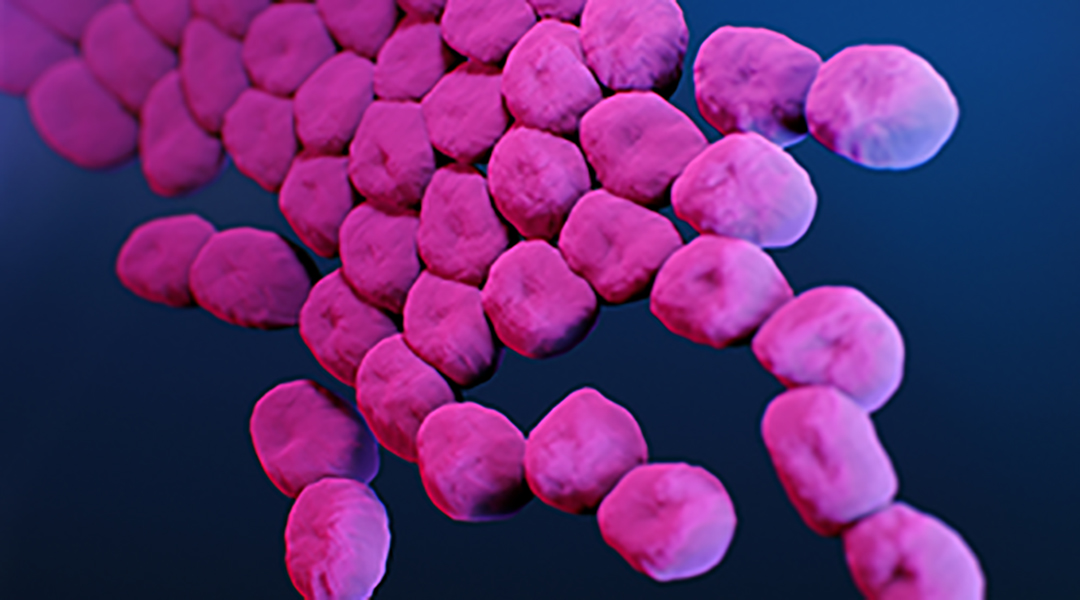
Scientists investigated phages that can kill the world’s leading superbug, Acinetobacter baumannii, which is responsible for up to 20% of infections in intensive care units.


 Micron-sized hidden dimensions could solve two of physics’ deepest puzzles
 Turning Periods into Power: Menstrual Blood a Valuable Resource for Medical Diagnostics
 Surfactants Steer Supraparticle Structure
 Bone loss in obesity traced to gut microbiota
 Edible electronics realize safe, complex monitoring devices
 Fermilab Confirms Muon g-2 Measurements