Pressing a layered crystal onto a gold surface is all it takes to pull off a 2D atomic layer, a method that outperforms scotch tape on industrially relevant scales.


Pressing a layered crystal onto a gold surface is all it takes to pull off a 2D atomic layer, a method that outperforms scotch tape on industrially relevant scales.

Solid-state physicists and materials chemists are now in excellent “shape” to expand and accelerate their explorations of the science of topological materials for a wide range of possible applications.

A new titanium nitride sulfur composite reduces the notorious shuttle effect and improves the overall performance of lithium-sulfur batteries.
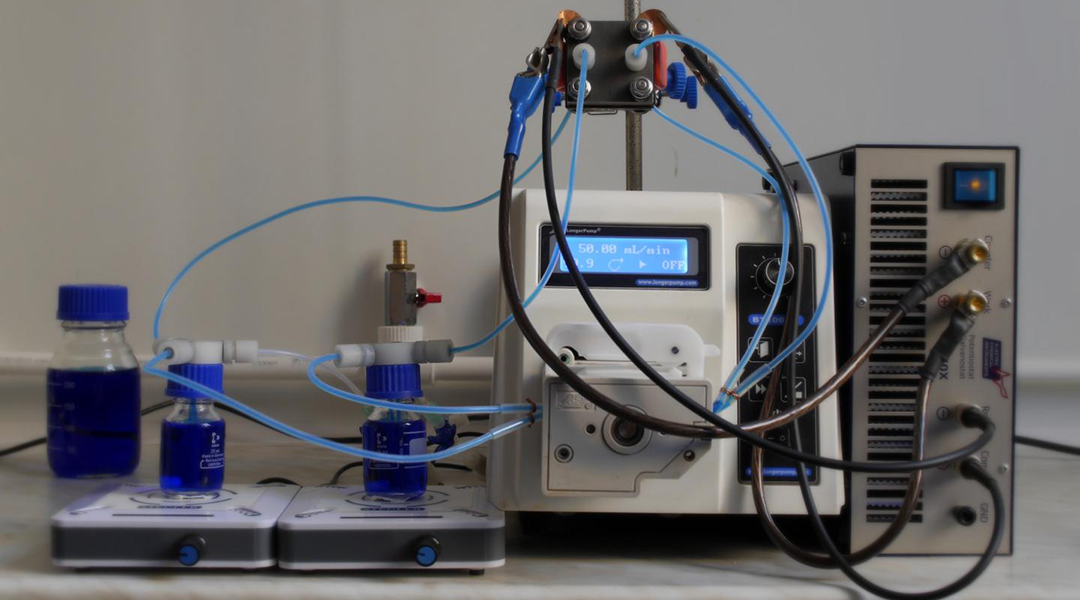
A new design for vanadium redox flow batteries could help fundamental research and accelerate commercialization of this energy storage technology.

A new catalyst facilitates the first general protocol for the cross-coupling of aryl chlorides and reactive organolithium reagents.

Inspired by nature, researchers create a new kind of photoelectric generator based on a bacterial ion pump.
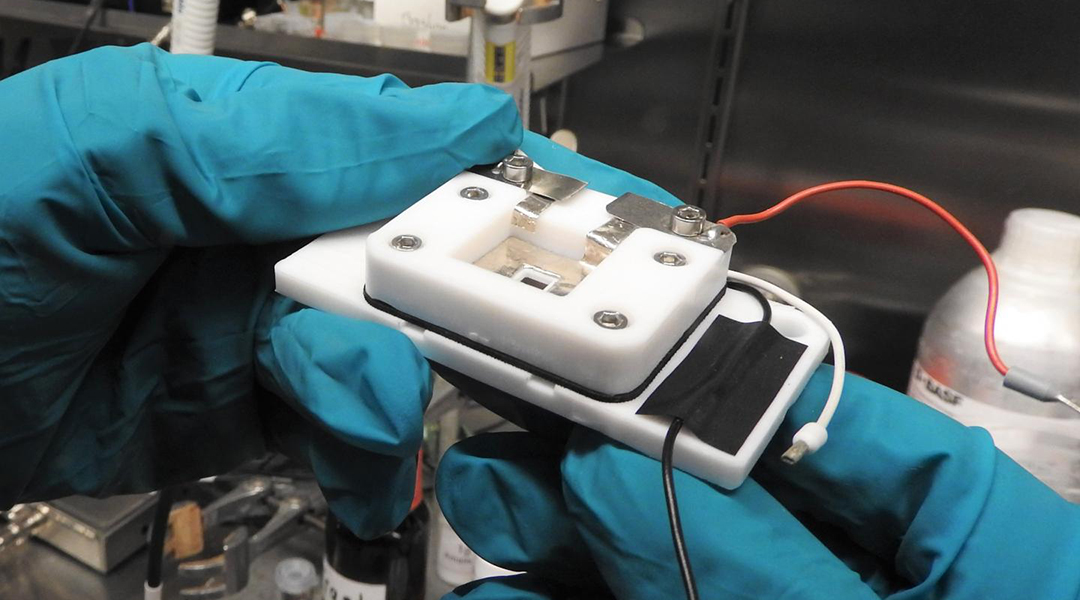
Chemists develop a new technique for observing chemical processes during battery operation.
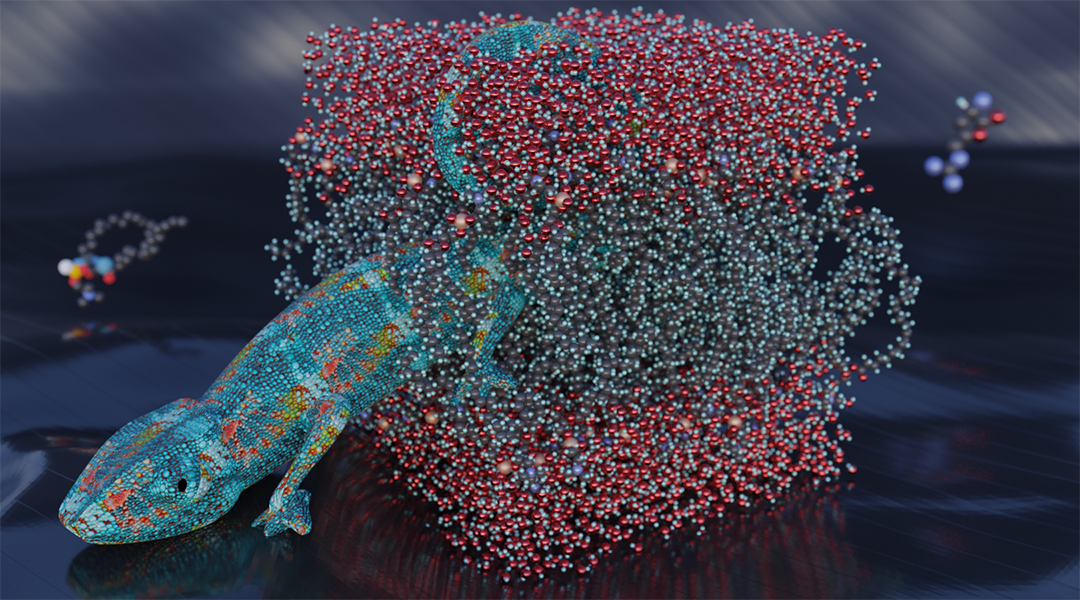
Computational methods allow researchers to delve deeper into molecular processes, beyond what can easily be achieved with current experimental techniques.

Scientists have developed a molecular shield that stabilizes near-infrared fluorescent dyes and enhances their functionality.
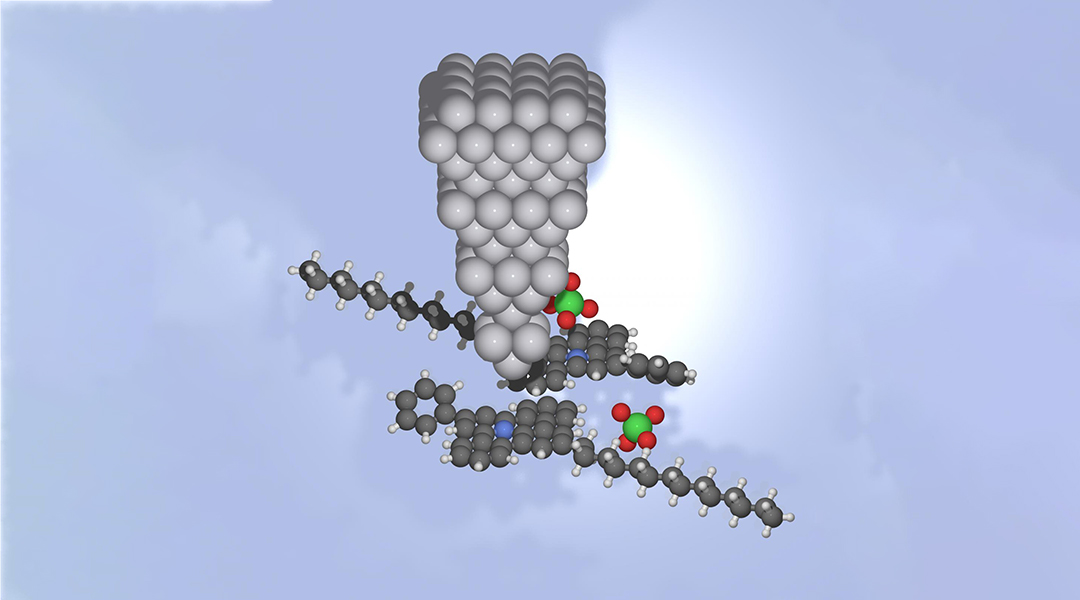
Researchers have discovered a single-molecule “switch” that can act like a transistor and offers the potential to store binary information.


 Micron-sized hidden dimensions could solve two of physics’ deepest puzzles
 Turning Periods into Power: Menstrual Blood a Valuable Resource for Medical Diagnostics
 Surfactants Steer Supraparticle Structure
 Bone loss in obesity traced to gut microbiota
 Edible electronics realize safe, complex monitoring devices
 Fermilab Confirms Muon g-2 Measurements