Scientists have linked cilia found on cell surfaces with mechanisms for aging, and they’re hoping to help people live longer healthier lives.
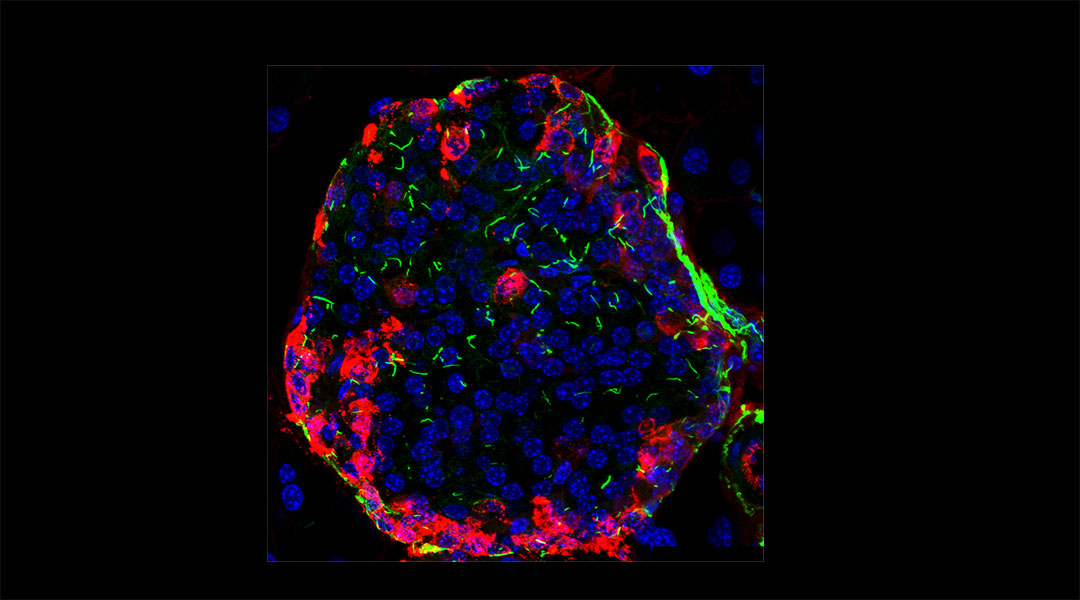

Scientists have linked cilia found on cell surfaces with mechanisms for aging, and they’re hoping to help people live longer healthier lives.

Using mouse embryos, scientists explore the impact of high exposure to a common plasticizer on male fertility, but caution: the dose makes the poison.
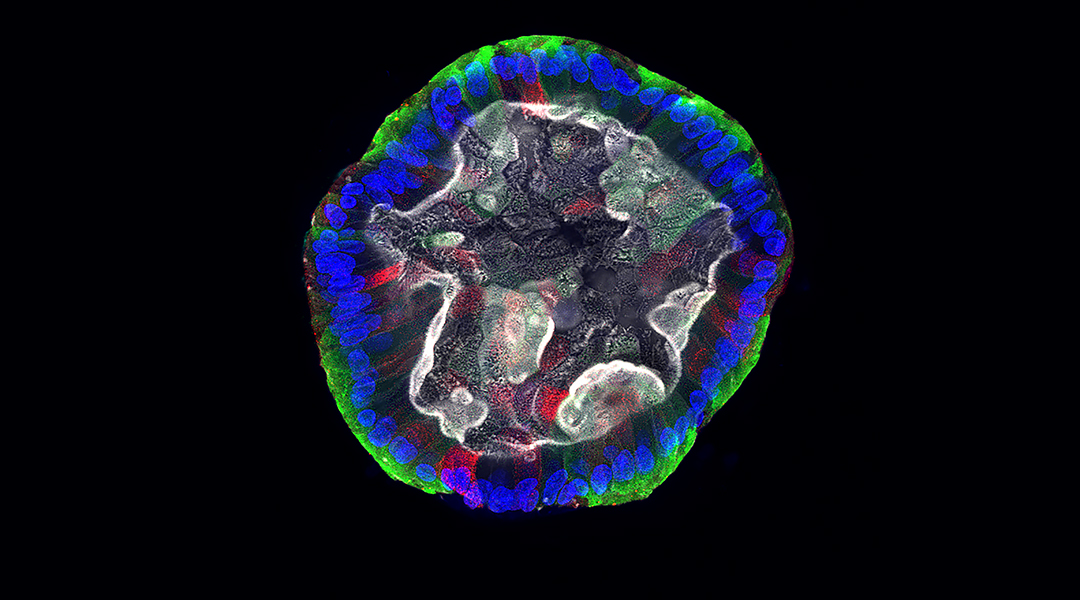
Addressing the lack of diversity in drug testing, scientists are using organoids from voluntary donors to enhance equity and inclusion.
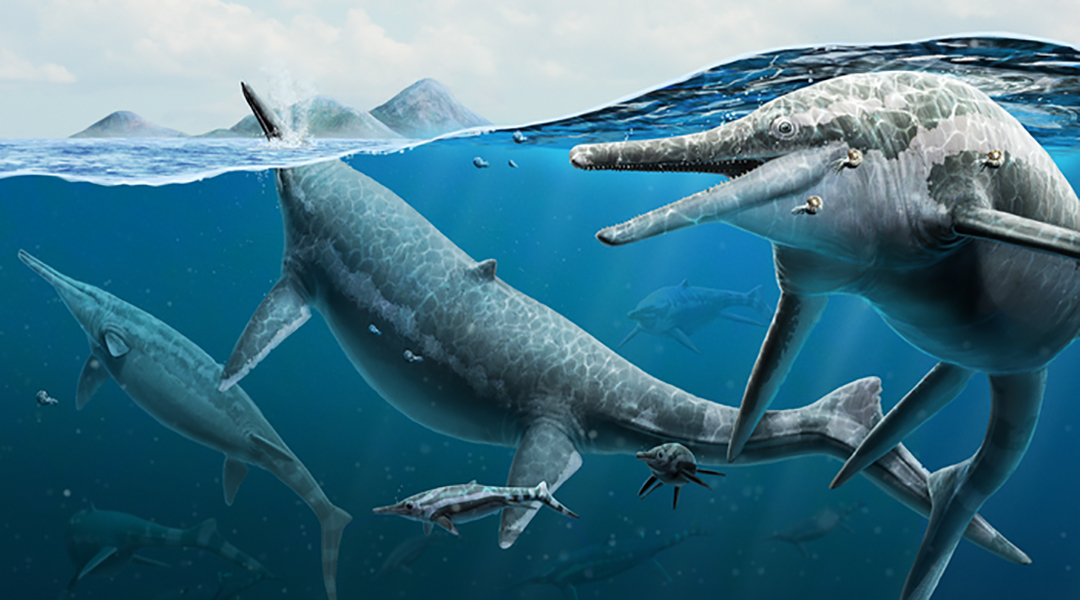
Nearly 200 million years before modern whales, school bus-sized marine reptiles called ichthyosaurs may have been making similar migrations to ancient breeding grounds.
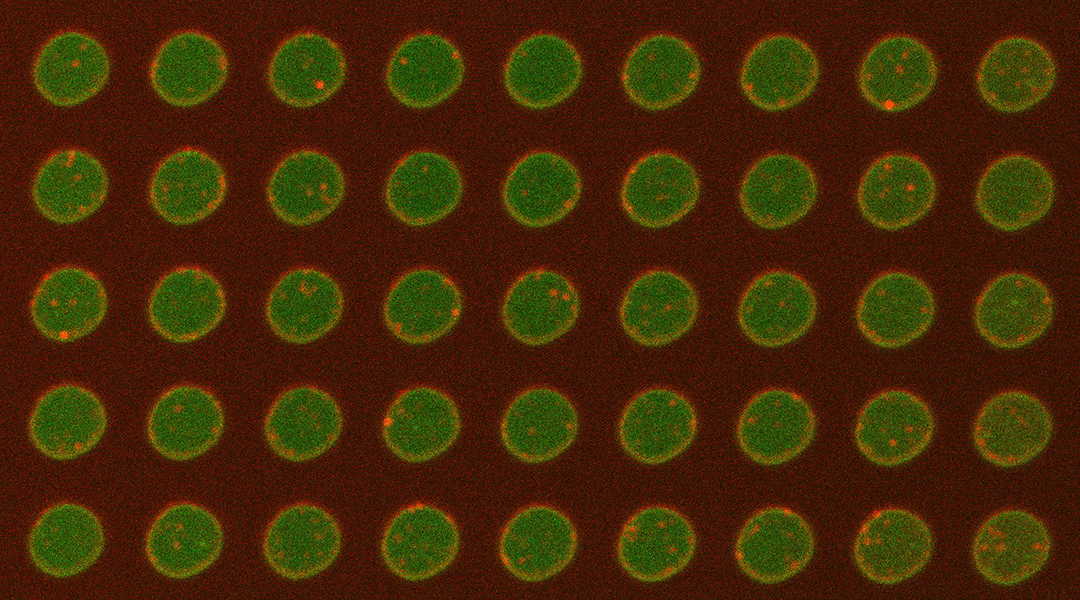
Compared to other platforms, this new “on-a-chip” system allows membrane proteins to be studied in their natural state.
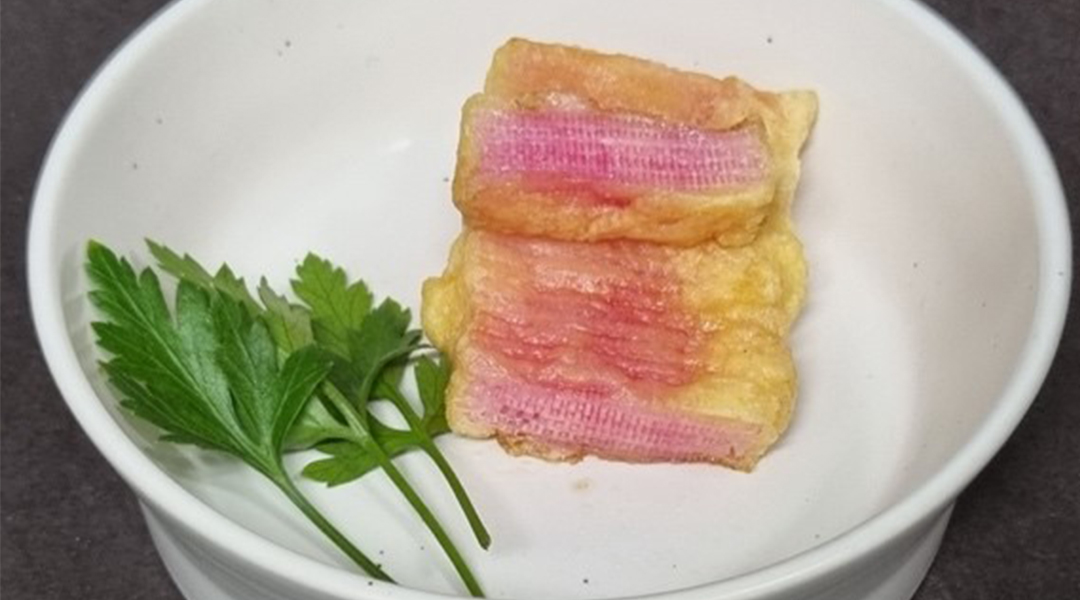
Making lab-grown meat with a new 3D-printing strategy that combines fat and muscle cells to make the perfect, artificial steak.

Using unique artificial microenvironments, chemical engineer Alison McGuigan is getting to the bottom of cell behavior.
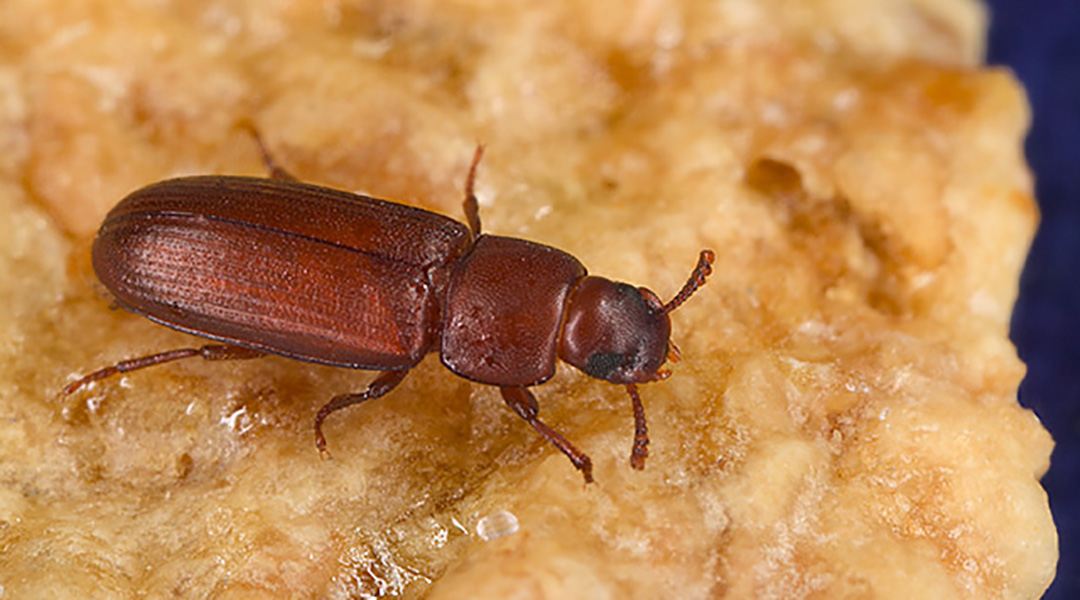
Understanding the mechanisms by which genes can be “turned off” could be a powerful means of pest control.
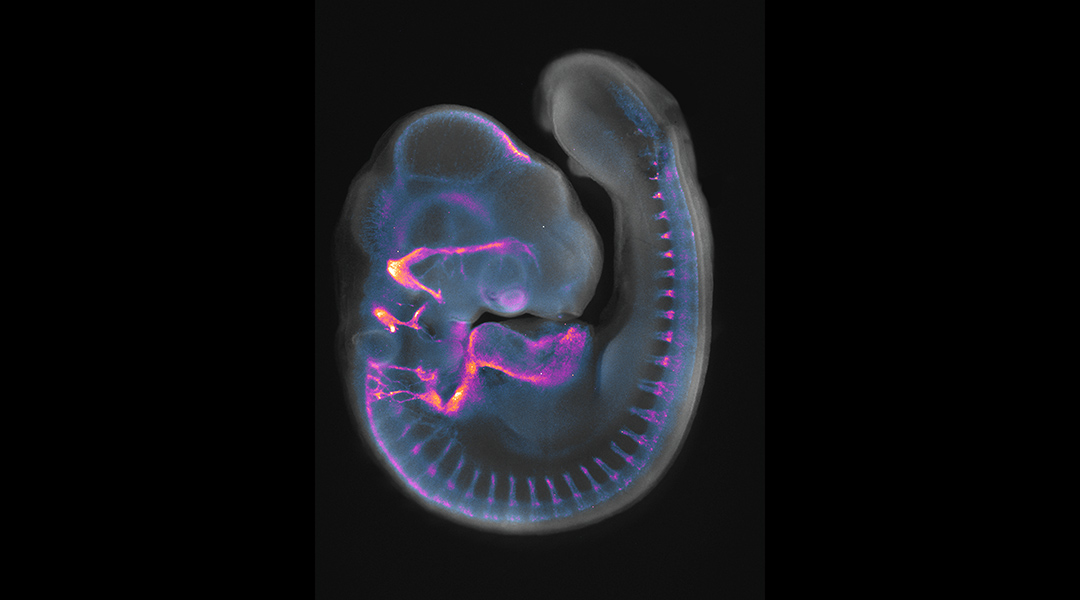
It turns out that a single factor is responsible for ear cell development, which could one day be used to treat disease and malformations.

Credited as one of the first computer scientists, Ada Lovelace saw the potential of computers a century before any were ever built.
 Micron-sized hidden dimensions could solve two of physics’ deepest puzzles
 Turning Periods into Power: Menstrual Blood a Valuable Resource for Medical Diagnostics
 Surfactants Steer Supraparticle Structure
 Bone loss in obesity traced to gut microbiota
 Edible electronics realize safe, complex monitoring devices
 Fermilab Confirms Muon g-2 Measurements