Discover how iodide can be used to control the shape of bimetallic nanoparticles for application in catalysis, solar-energy conversion and therapeutics.
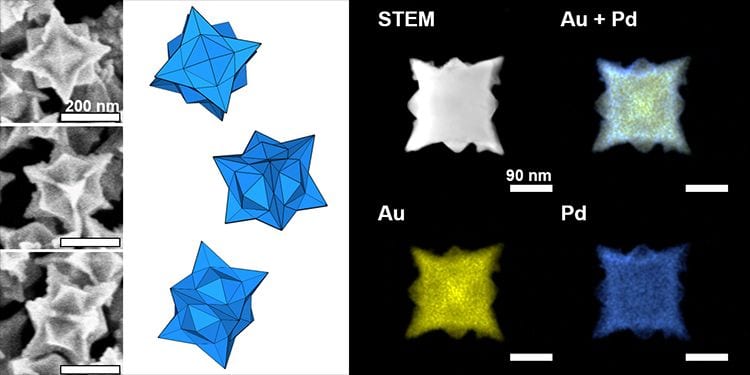

Discover how iodide can be used to control the shape of bimetallic nanoparticles for application in catalysis, solar-energy conversion and therapeutics.
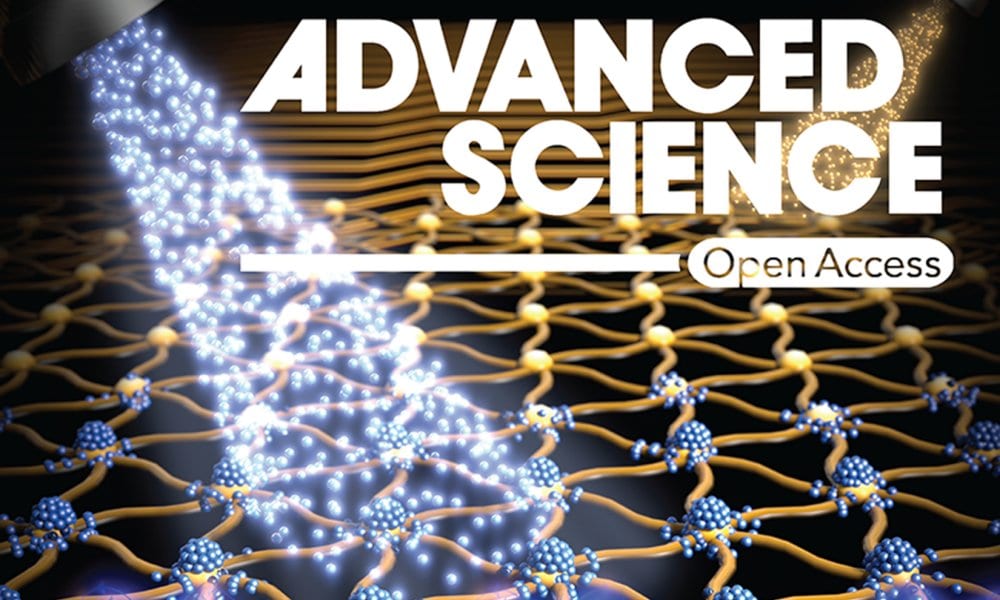
Advanced Science celebrates its new impact factor with the publication of an exclusive review issue.
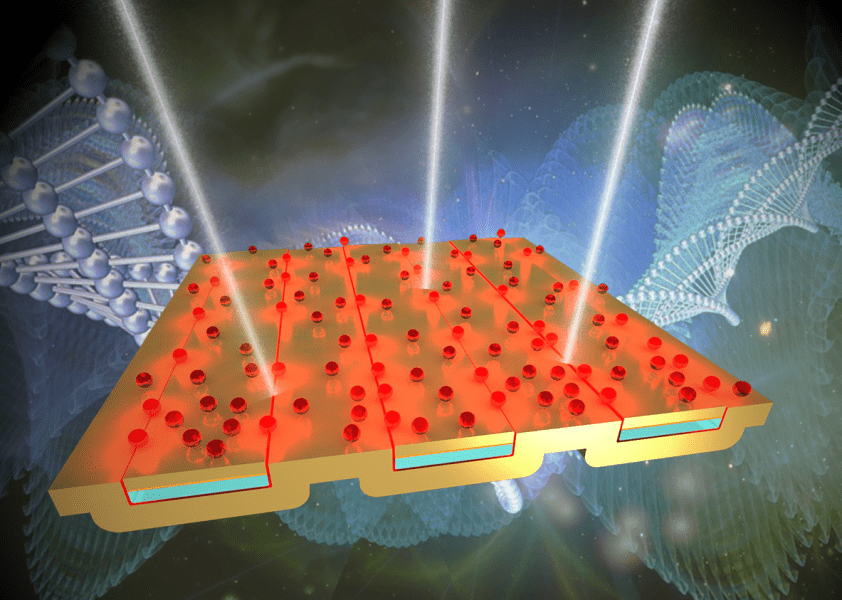
A metamaterial superabsorber structure with sub-5-nanometer gaps boosts the sensitivity of bio/chemical sensing.
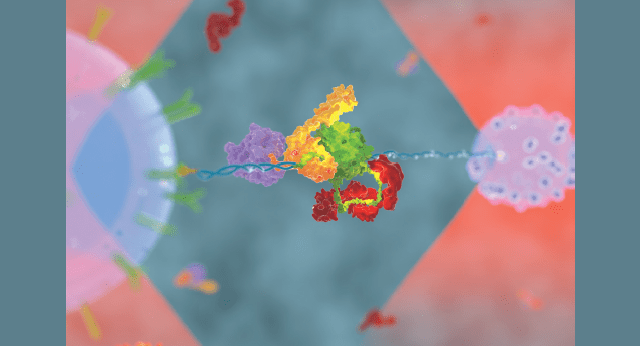
Protein Science has published a Special Issue on Molecular Machines guest edited by Carlos Bustamante from the Laboratory of Single Molecule Biophysics at UC Berkeley. Each living cell, whether prokaryotic or eukaryotic, is a microscopic but complex structure. Its...
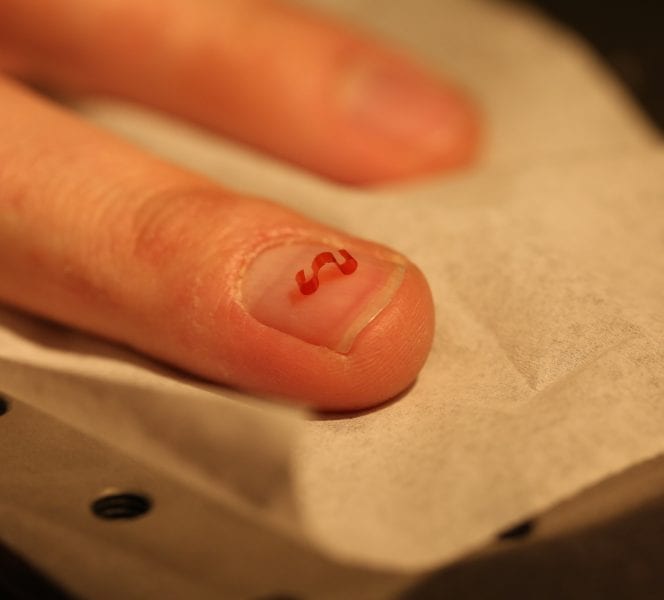
Researchers develop a liquid crystalline elastomer robot fueled completely by visible light. The robot is capable of biomimetic locomotion resembling a caterpillar and can be operated directly on human skin.
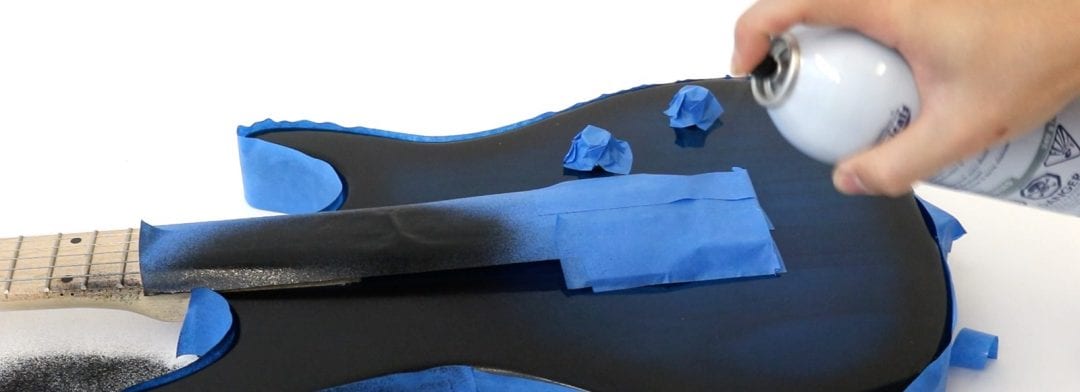
Researchers added low-cost touch sensing to objects of almost any shape.
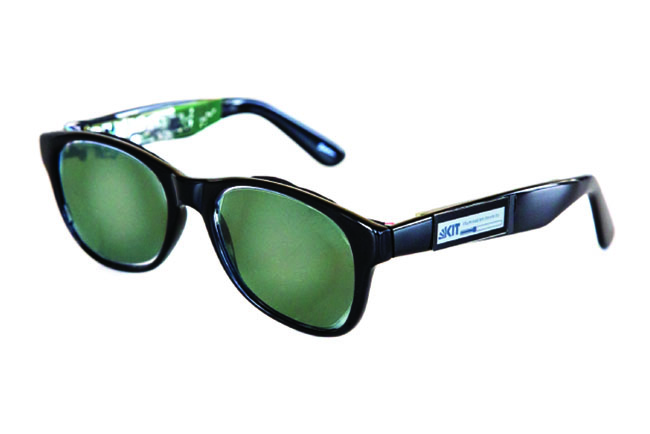
In an important step forward for wearable electronics, researchers design and build a set of “solar glasses”, which integrate transparent solar cells into the lenses and electronics into the frames, to measure and display the instantaneous light intensity and ambient temperature.

Prof. Korley and co-workers explore the design principles used to develop environmentally-responsive materials that serve as release agents, sensors, switches, and actuators.
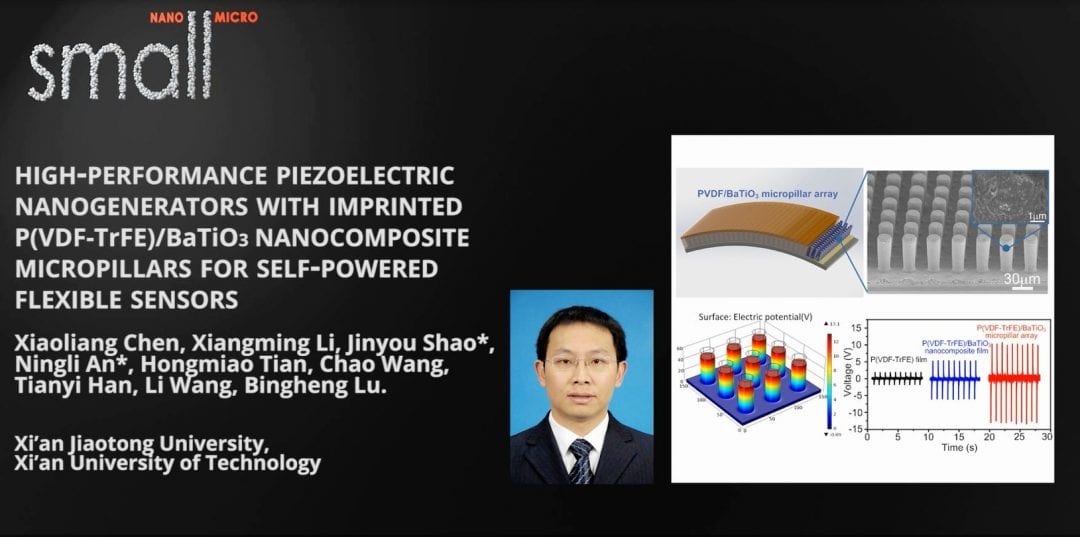
A high-performance, flexible piezoelectric nanogenerator is fabricated to convert mechanical energy into electricity that can power a variety of devices.
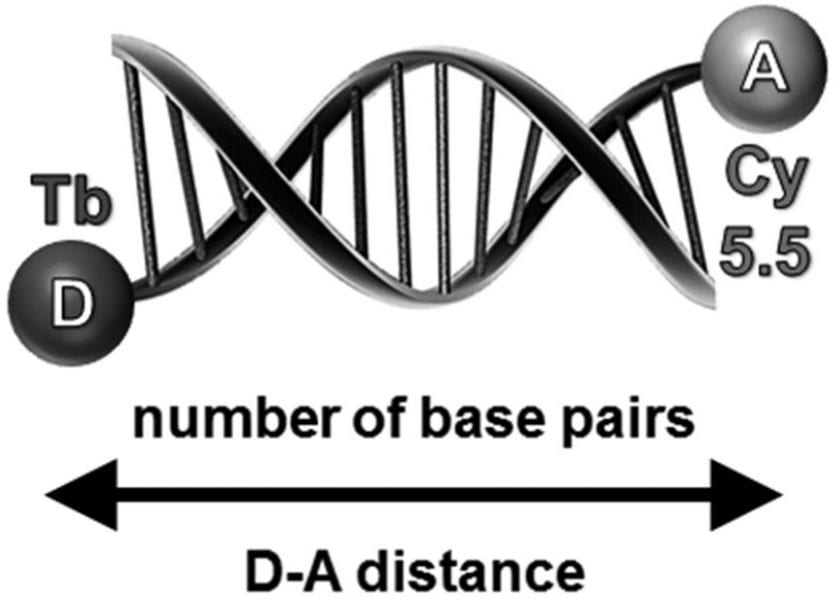
Time-gated FRET-based biosensors allow the quantification of multiple nucleic acids at low nanomolar concentrations using just a single donor–acceptor pair.

 Micron-sized hidden dimensions could solve two of physics’ deepest puzzles
 Turning Periods into Power: Menstrual Blood a Valuable Resource for Medical Diagnostics
 Bone loss in obesity traced to gut microbiota
 Surfactants Steer Supraparticle Structure
 Edible electronics realize safe, complex monitoring devices
 Fermilab Confirms Muon g-2 Measurements