A hybrid electrolysis system produces hydrogen while upgrading glycerol into valuable chemicals.

A hybrid electrolysis system produces hydrogen while upgrading glycerol into valuable chemicals.

An edible thermoelectric system opens new directions for functional hydrogels and ingestible electronics.

After fires strip away vegetation, common Mediterranean lizards rapidly shift color to reflect heat, darkening again once the landscape recovers.

Kombucha fermentation generates a byproduct perfect for the creation of mechanically stable, biodegradable electronic components.
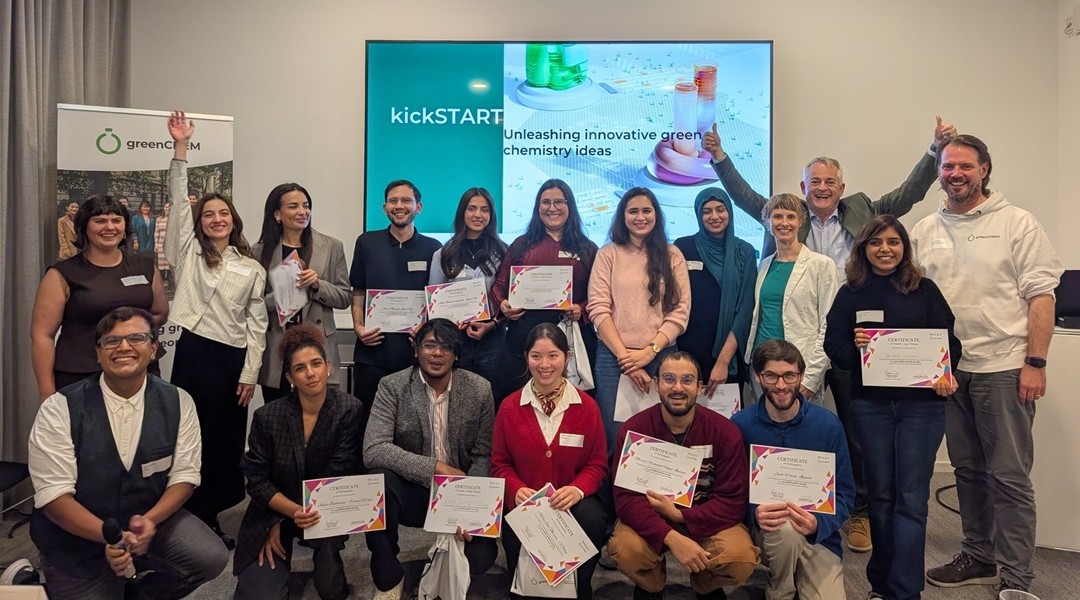
Young researchers promote the importance and industrial potential of green chemistry via the kickSTART project.

A sand-like material can be extracted from seawater by adding carbon dioxide, potentially making the building industry more sustainable.
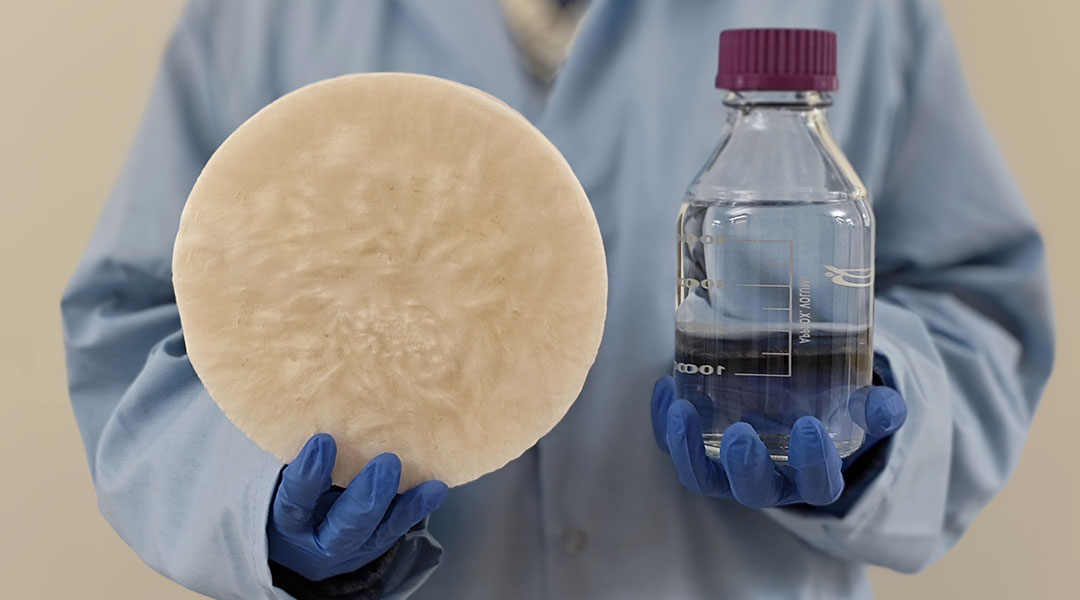
A new hydrogel extracts water from the air, offering a sustainable alternative to bottled water and addressing global water shortages.

Scientists have developed a process to recycle carbon fiber into valuable chemicals with the help of fungi.

In the future, small electronics could be powered by fallen leaves, shed fur, and other waste materials found in nature.
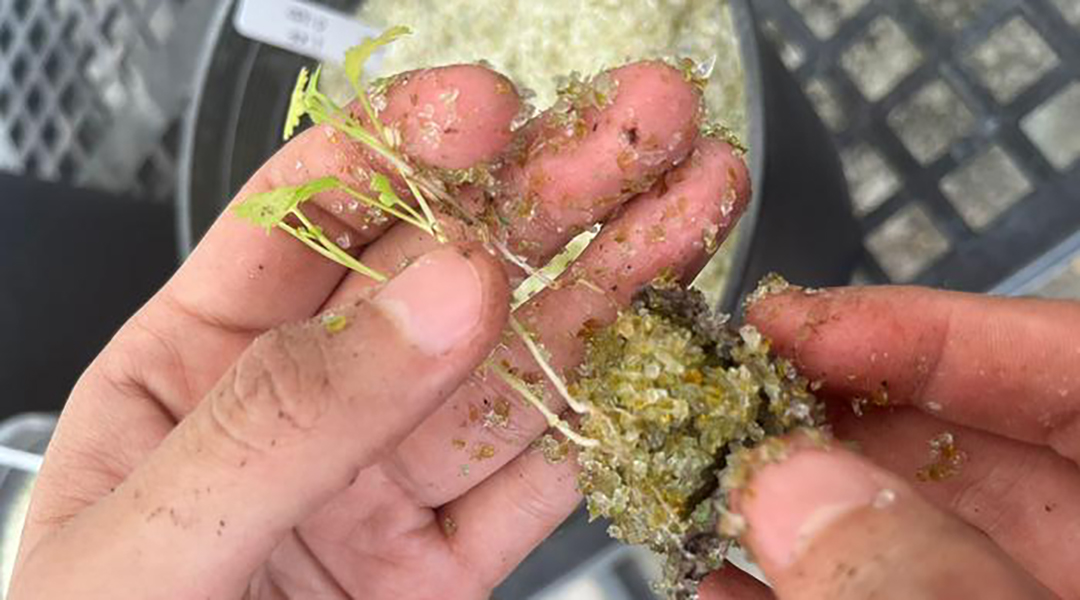
Pilot study explores how recycled glass is being used to grow salsa ingredients, protect coastlines, and safeguard the future of farming.

 Micron-sized hidden dimensions could solve two of physics’ deepest puzzles
 Turning Periods into Power: Menstrual Blood a Valuable Resource for Medical Diagnostics
 Bone loss in obesity traced to gut microbiota
 Surfactants Steer Supraparticle Structure
 Edible electronics realize safe, complex monitoring devices
 Fermilab Confirms Muon g-2 Measurements