How do we reproduce the memory and processing capabilities of the human brain?

How do we reproduce the memory and processing capabilities of the human brain?
UCF researchers develop a device that mimics brain cells used for human vision. The invention may help to one day make robots that can think like humans.

Machine learning significantly reduces the time and cost involved in drug screening.

The remarkably agile arms of the octopus are a source of inspiration for the design of autonomous robots.
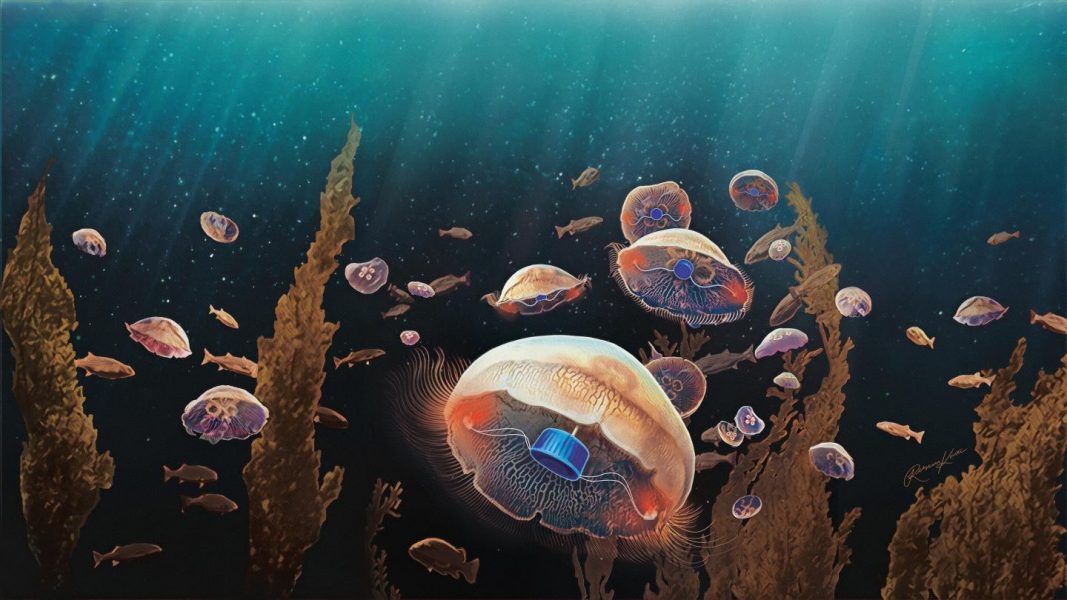
Researchers at Caltech and Stanford use microelectronics to enhance jellyfish swimming.

A new approach combines 3D coherent imaging with machine learning to detect microscale microplastics in filtered water samples.

Researchers develop a biomimetic flow channel module that facilitates continuous process water analysis in washing machines.
Researchers from UC Berkeley are utilizing deep learning to bypass iterative finite element calculations. Their deep learning model is trained using finite element simulation data to predict the deformation behavior of favorable designs.
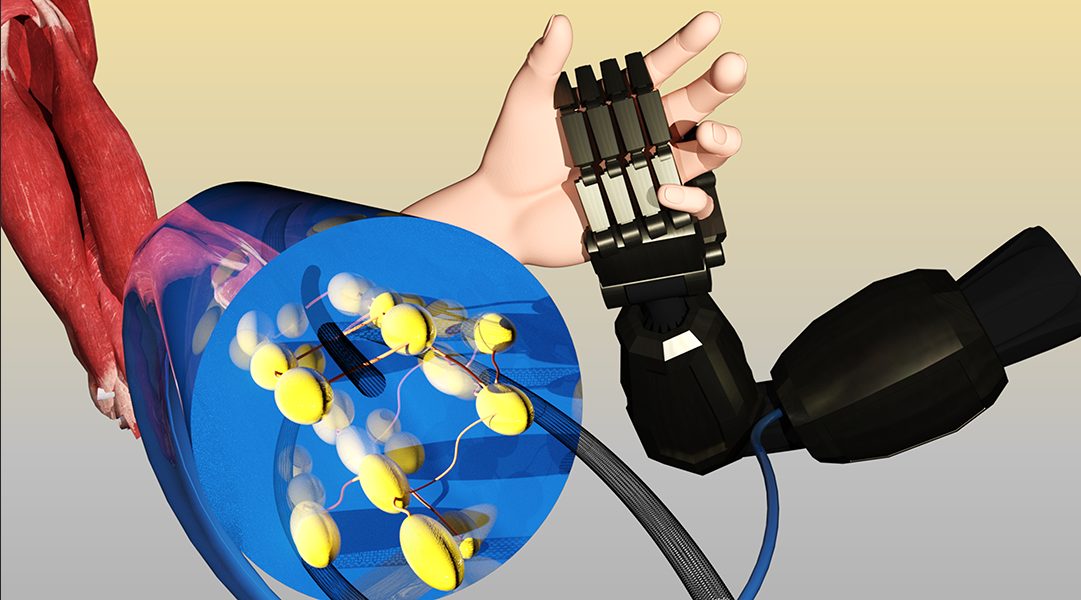
Researchers develop dual-responsive muscle-like soft actuators with both dexterity and high mechanical strength.

A new approach seeks to use the “intelligence” aspects of AI to understand the physics of photonic nanostructures.


 Micron-sized hidden dimensions could solve two of physics’ deepest puzzles
 Turning Periods into Power: Menstrual Blood a Valuable Resource for Medical Diagnostics
 Surfactants Steer Supraparticle Structure
 Bone loss in obesity traced to gut microbiota
 Edible electronics realize safe, complex monitoring devices
 Fermilab Confirms Muon g-2 Measurements