n their review published in BioEssays, Mahesh Sangrithi and James Turner discuss mammalian X chromosome dosage compensation with a particular focus on the germ line.
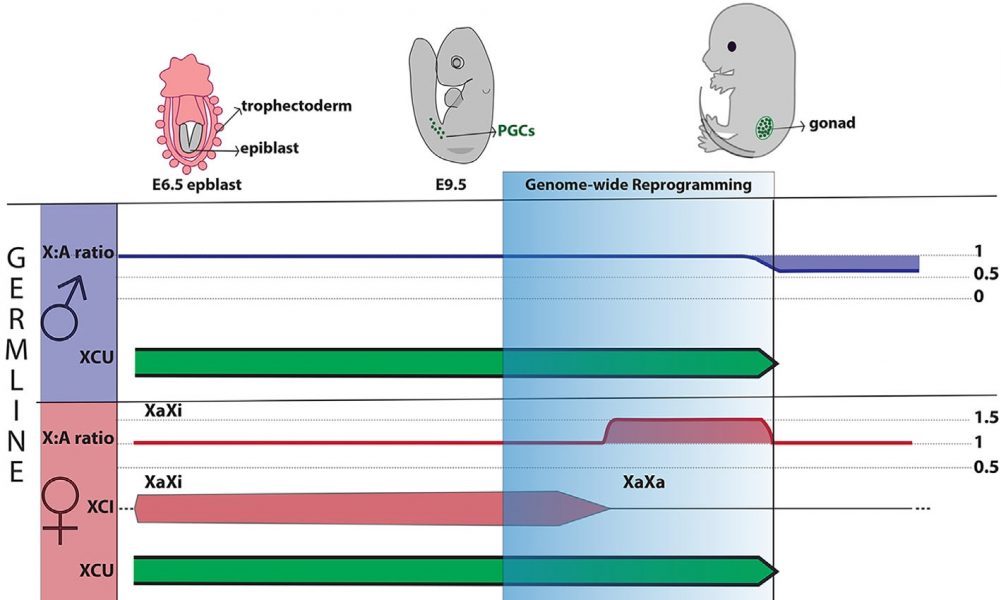

n their review published in BioEssays, Mahesh Sangrithi and James Turner discuss mammalian X chromosome dosage compensation with a particular focus on the germ line.

A team of German researchers created a new multimodal system for rapid, noninvasive in vivo skin cancer screening is presented, combining optical coherence tomography (OCT) and optoacoustic (OA) modalities to provide precise tumor depth determination with a Raman spectroscopic modality capable of detecting the lesion type and, thus, providing diagnostic capability.
“DNA makes RNA makes protein”? After transcription, mRNAs undergo a series of ‘post‐transcriptional’ regulatory processes to be finally translated into functional proteins. Changes in these regulatory processes are important driving forces underlying the evolution of phenotypic differences across different species.
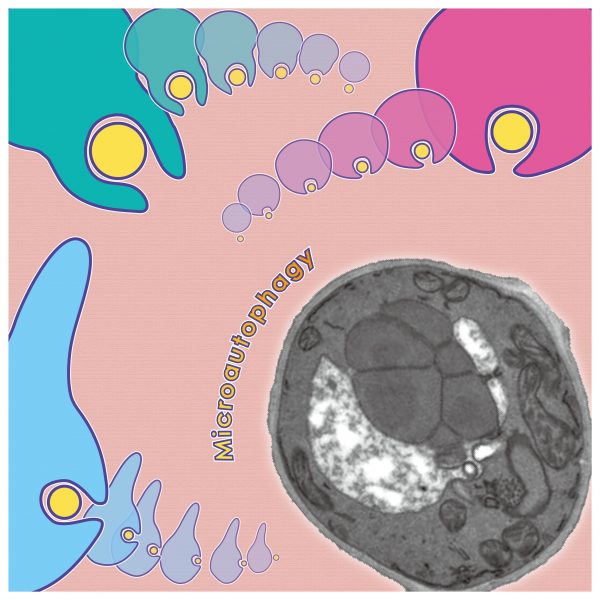
In their article published in BioEssays, Masahide Oku and Yasuyoshi Sakai present three distinct types of microautophagy.

A simple optical imaging technique for biomarker analysis for critical diseases.
A new inhibitor of glutamate transporter enzymes can be turned ‘on’ and ‘off’ using different wavelengths of light.
This non-viral CRISPR-Cas9 delivery vector is ten times as effective at genome modification as the standard plasmid transfection techniques, down-regulating Plk1 expression over 70% to inhibit tumor growth.
A smart cell-targeting approach for potential use in specific cell ablation.
A 3D imaging approach that enables prolonged functional assessment of the mouse oviduct (or fallopian tube) in vivo.
Discussing the historical roots of the stem cell concept and the definition generally adopted today.


 Micron-sized hidden dimensions could solve two of physics’ deepest puzzles
 Turning Periods into Power: Menstrual Blood a Valuable Resource for Medical Diagnostics
 Surfactants Steer Supraparticle Structure
 Bone loss in obesity traced to gut microbiota
 Edible electronics realize safe, complex monitoring devices
 Fermilab Confirms Muon g-2 Measurements