Self-propelling microparticles enhance the dissolution of drugs in the stomach, achieving better bioavailability without the side effects of high dosing.
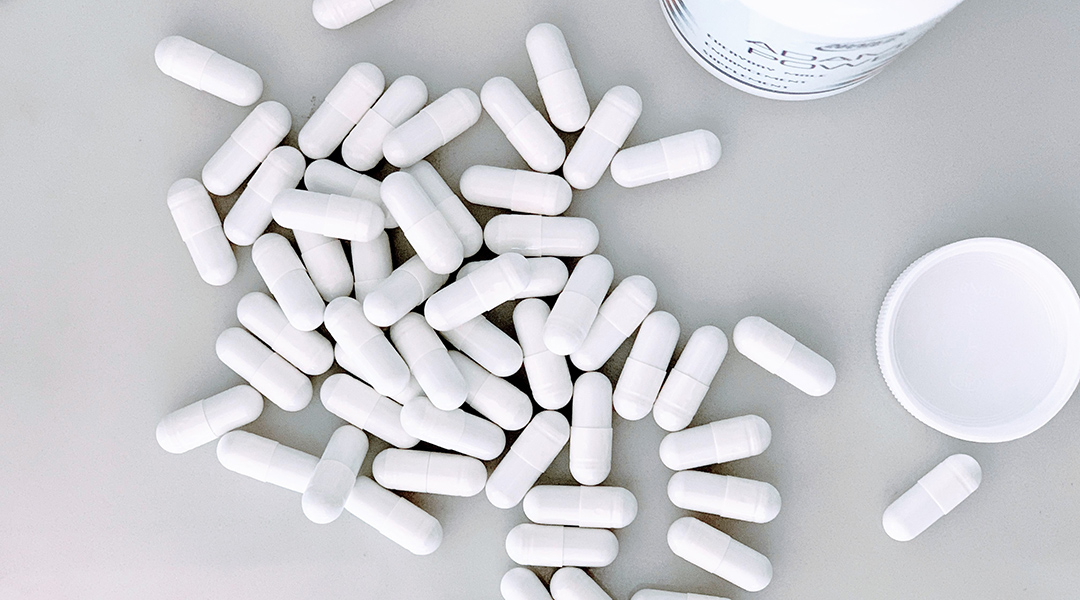

Self-propelling microparticles enhance the dissolution of drugs in the stomach, achieving better bioavailability without the side effects of high dosing.

A new drug-laden gel allows for better levels of uptake in both the blood and the brain.
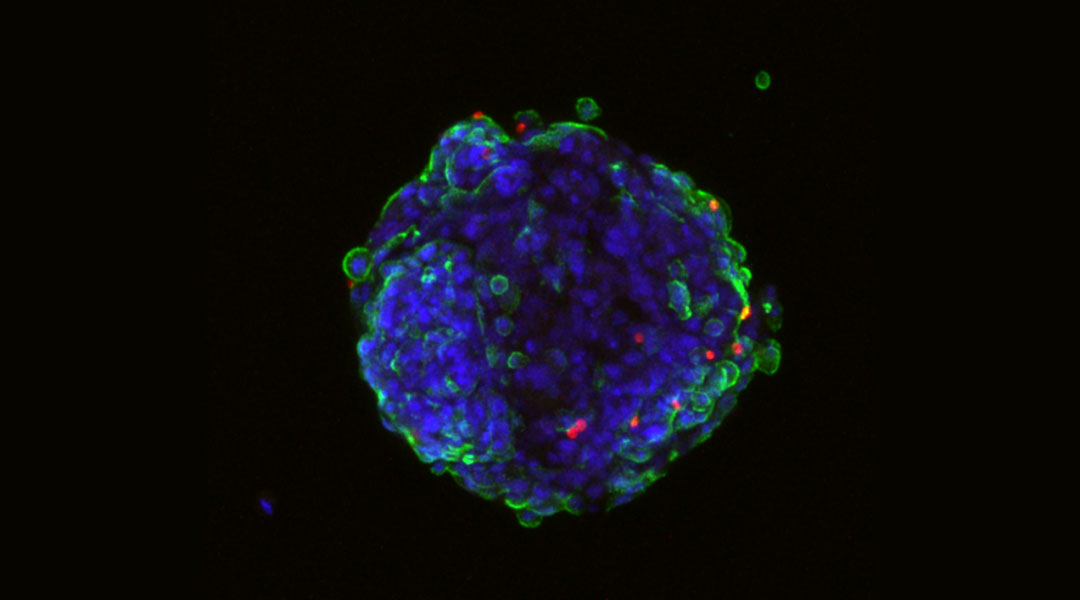
Researchers uncover how malaria infiltrates the blood–brain barrier and contributes to disease severity.
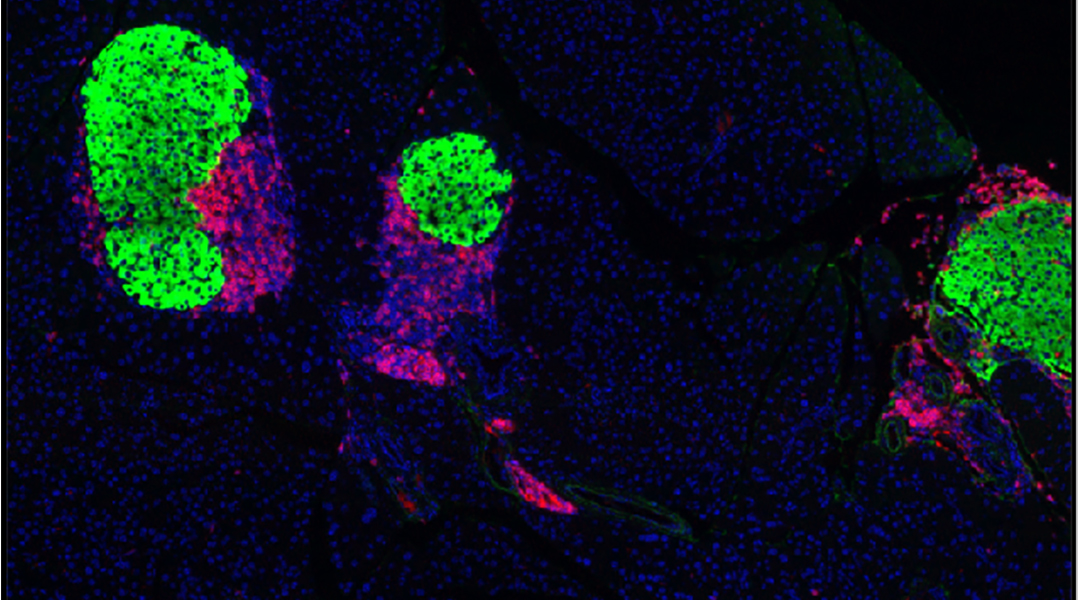
Bioengineered pancreatic beta cells adorned with immune checkpoint proteins prevent the progression of type 1 diabetes.
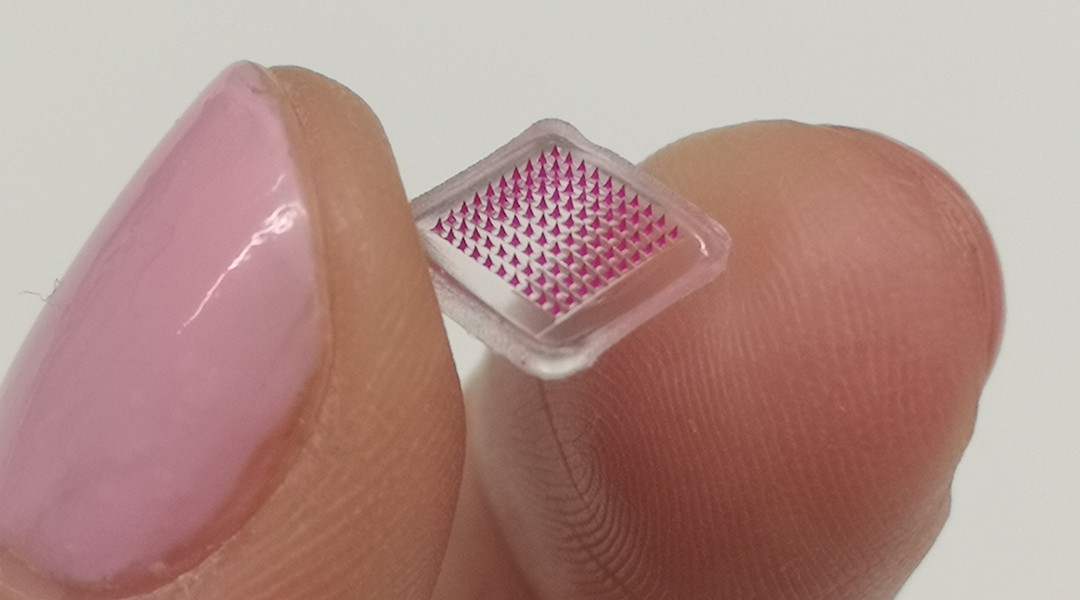
A microneedle patch that delivers antibiotics directly into the affected skin area could help treat deadly bacterial infections.
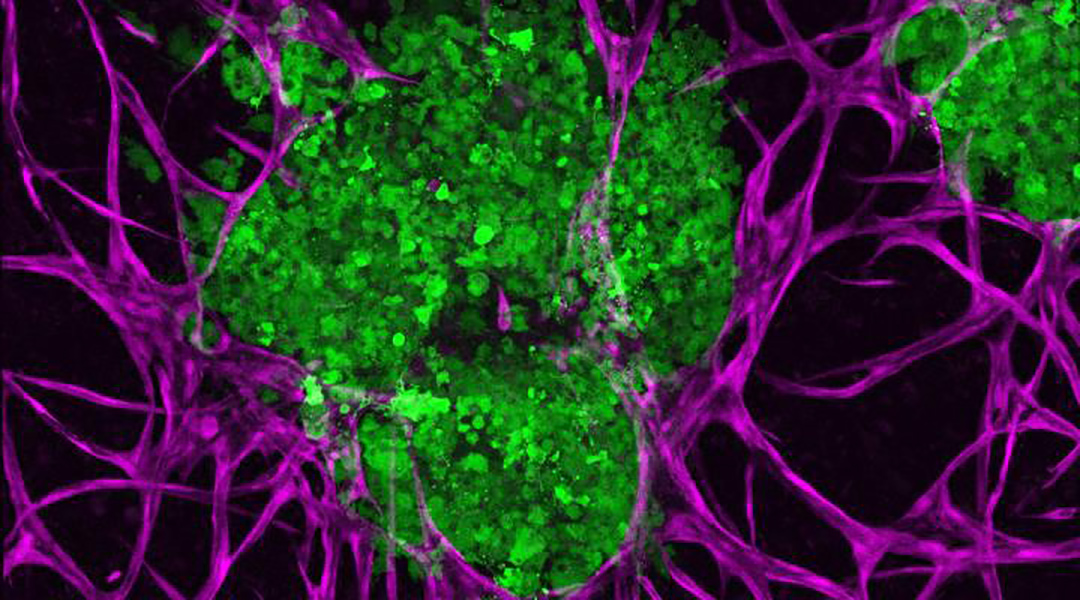
A prototype platform allows researchers to culture and study tumor growth in new detail.
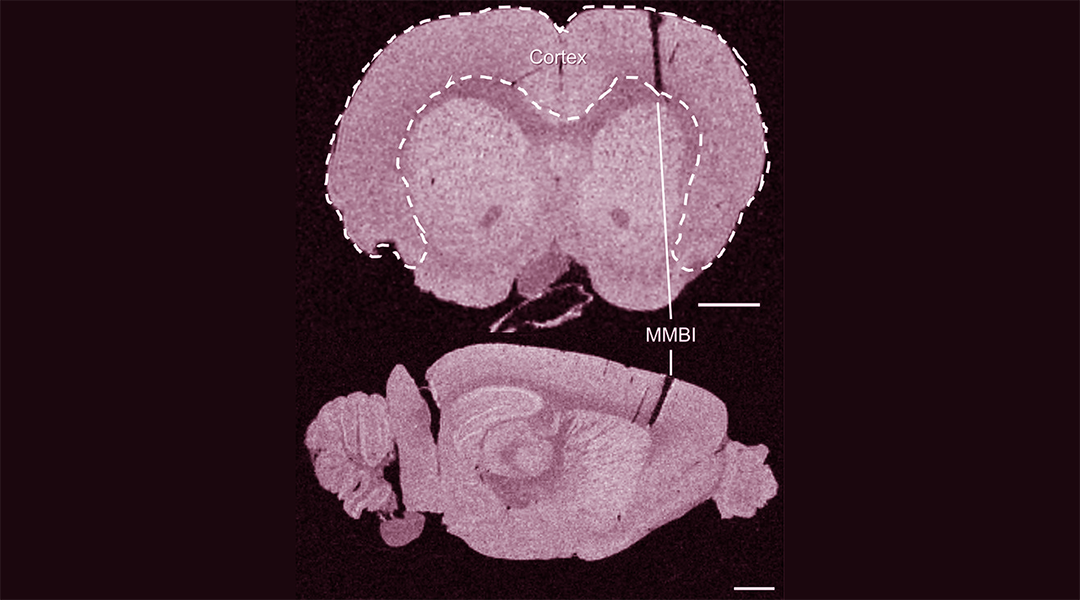
Pudding-like implants with a sugar-based delivery system show promise in reducing the foreign body response against brain implants.
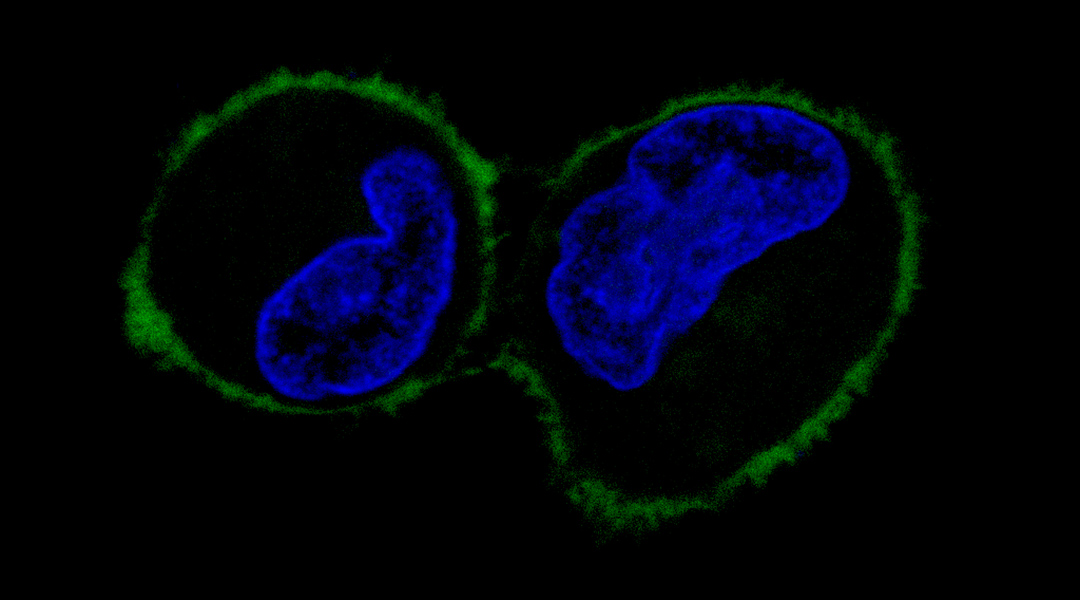
Polypeptides that selectively induce calcification of cancer cells could improve early detection and limit the progression of lung cancer.
In this study, a drug to treat Parkinson’s disease is linked to a molecule that enables it to better penetrate the brain.
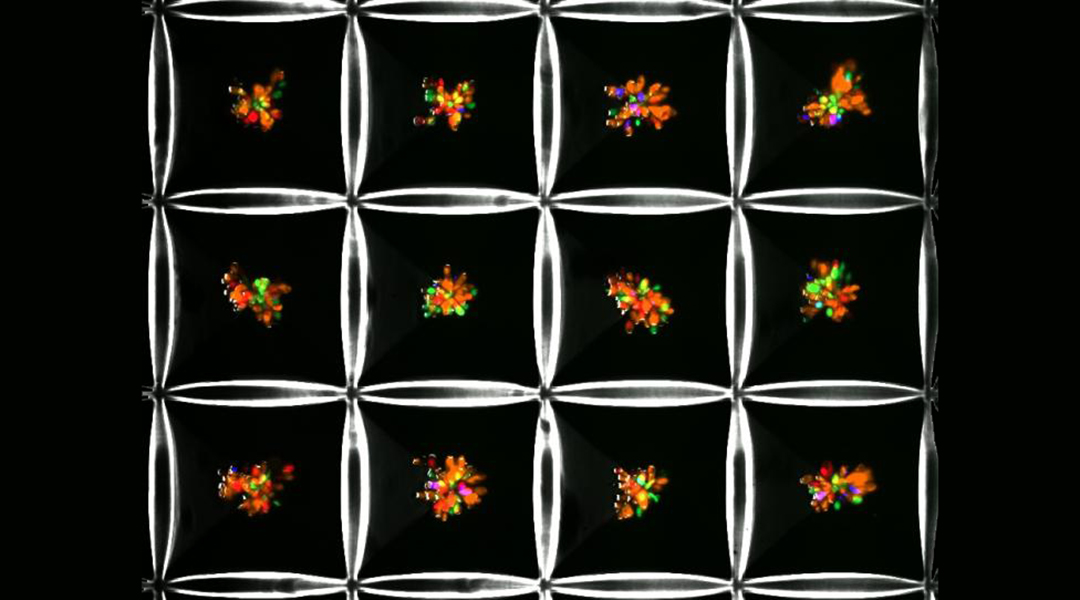
A structurally representative liver-on-a-chip models the full progression of non-alcoholic fatty liver disease, which researchers hope will lead to better treatments.
 New theory suggests gravity is not a fundamental force
 Higgs boson may be driving the Universe’s expansion
 Water-powered gadgets may be on the horizon thanks to new evaporation-based energy device
 Scientists discover a new class of antibiotics
 Micron-sized hidden dimensions could solve two of physics’ deepest puzzles
 A new type of dark matter could explain mysterious radiation from the Milky Way’s core