An analysis of nuclear body protein disorder that suggests MLO proteomes are significantly more disordered than structured cellular features.
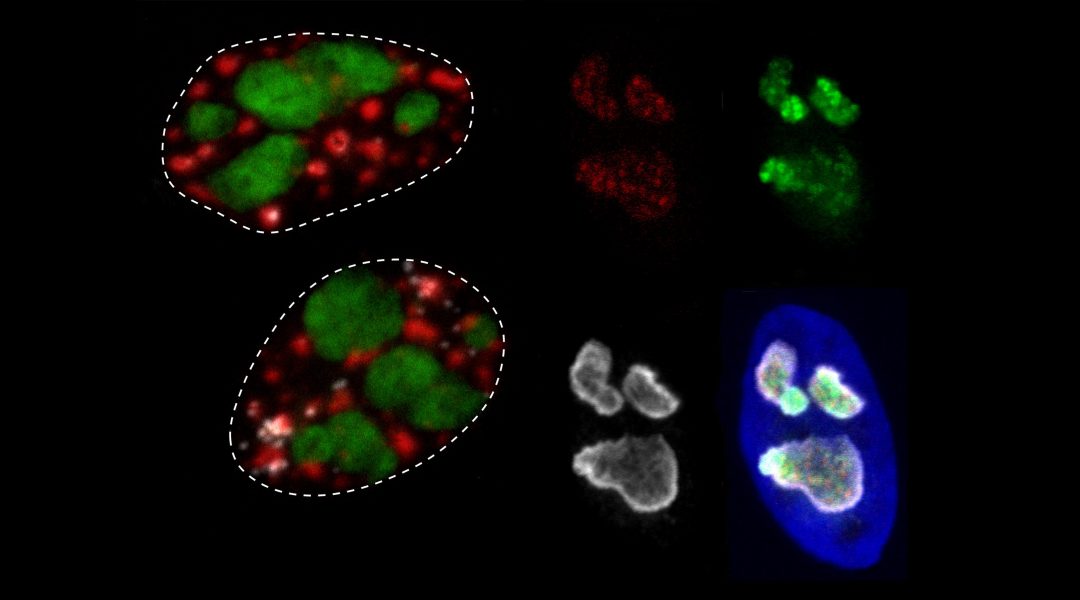

An analysis of nuclear body protein disorder that suggests MLO proteomes are significantly more disordered than structured cellular features.
![Improving Imaging Techniques in the NIR-II Window [Video]](https://www.advancedsciencenews.com/wp-content/uploads/2018/11/adma201802394_ASN_image.jpg)
The NIR-II window holds great potential in biological imaging.
![A Bacteria-Based Coating for Engineering Stem Cells [Video]](https://www.advancedsciencenews.com/wp-content/uploads/2018/11/adma201804310_ASN_image.jpg)
Non-pathogenic bacteria can colonize different surfaces to help direct human stem cells to bone cells.

Flexible physical sensing platforms for wearable electronics, soft robotics, and real-time healthcare monitoring.
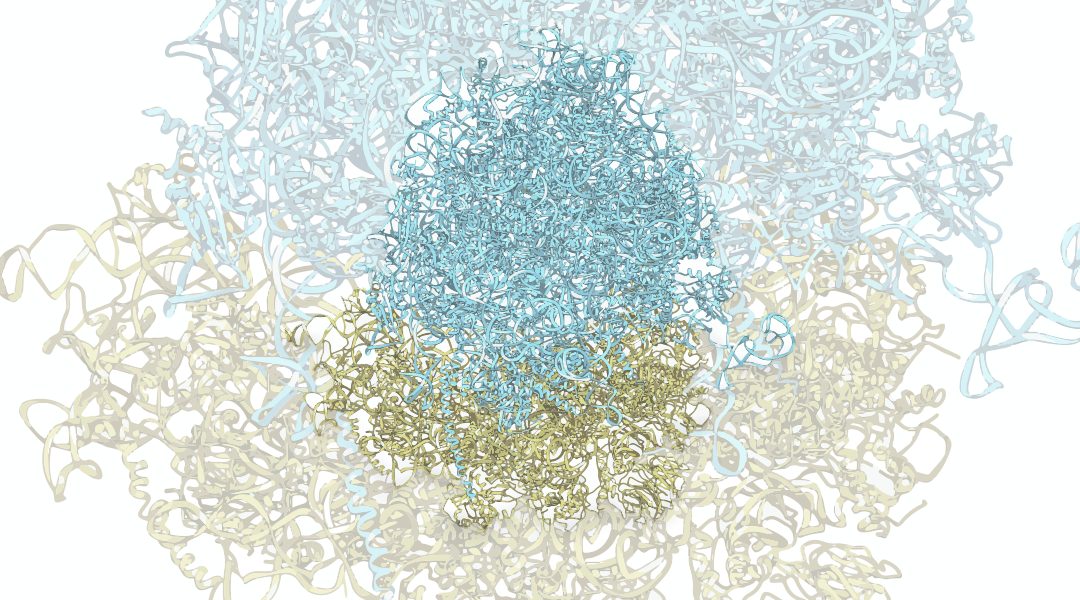
Poxviruses are an unusual family of large double‐stranded (ds) DNA viruses that exhibit an incredible degree of self‐sufficiency and complexity in their replication and immune evasion strategies.

Robert Langer talking about the future of drug delivery systems, his philosophy, and his efforts to make the world a better place.

Respiratory syncytial virus (RSV) is well recognized as a primary cause for lower respiratory infection or bronchiolitis in infancy, but how many events coded as bronchiolitis are actually attributable to RSV?

A new type of 5′‐RNA cap was discovered, and in contrast to the specialized eukaryotic m7G cap, the novel caps are abundant cellular cofactors like NAD+.

Frank Caruso on nanomaterials for the future of medicine.

A team of Russian scientists developed an OCT system with angiography for everyday clinical use.
 New theory suggests gravity is not a fundamental force
 Higgs boson may be driving the Universe’s expansion
 Water-powered gadgets may be on the horizon thanks to new evaporation-based energy device
 Scientists discover a new class of antibiotics
 Micron-sized hidden dimensions could solve two of physics’ deepest puzzles
 A new type of dark matter could explain mysterious radiation from the Milky Way’s core