A new constellation of satellites promises to be a “game changer” in monitoring anthropogenic emissions on a global scale.
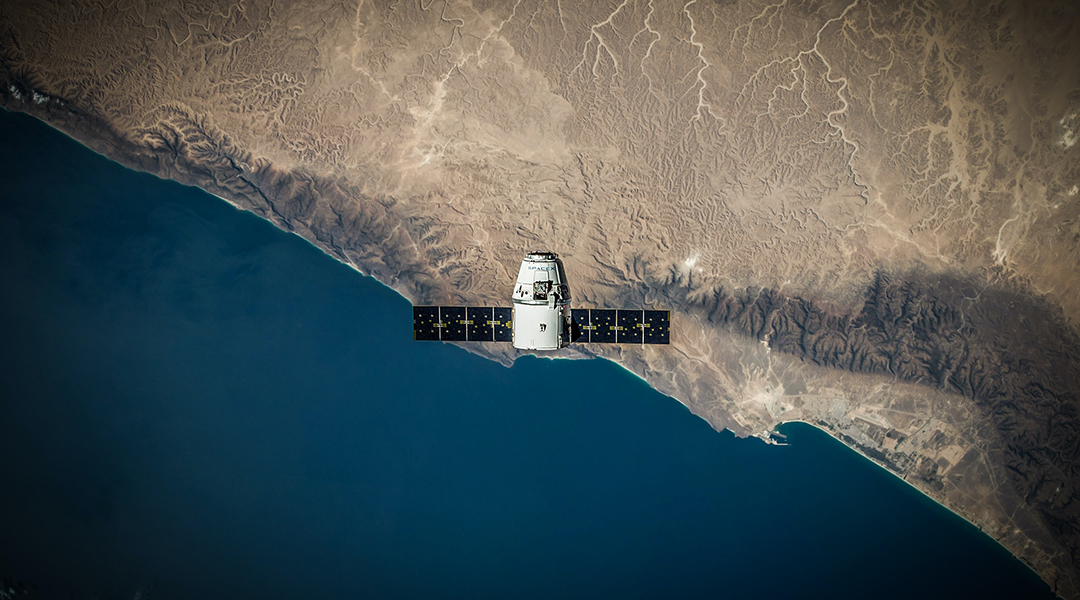

A new constellation of satellites promises to be a “game changer” in monitoring anthropogenic emissions on a global scale.
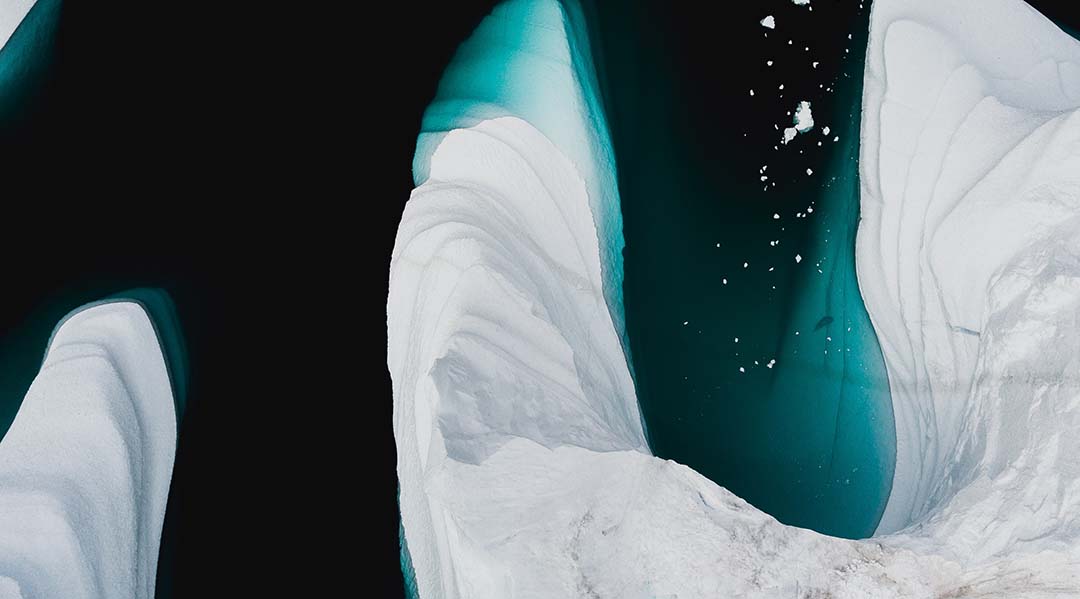
Some of the thickest Arctic ice broke open in May 2020 with a 3000-square-kilometer crack called a “polynya.”
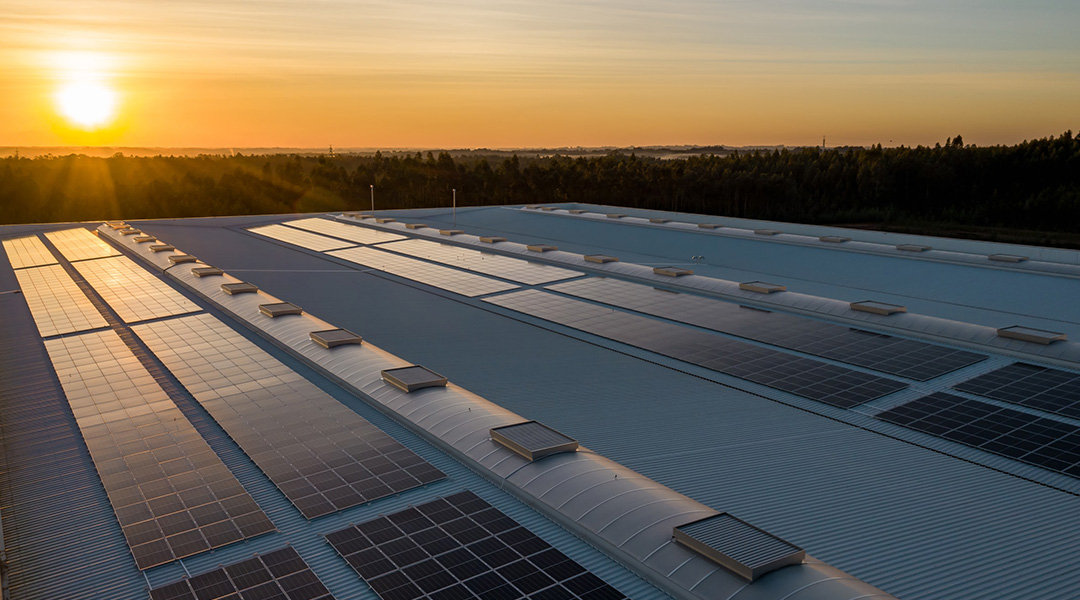
Researchers are investigating ways to increase the efficiency and stability of solar cells, which could improve their commercial use as an alternative energy source.
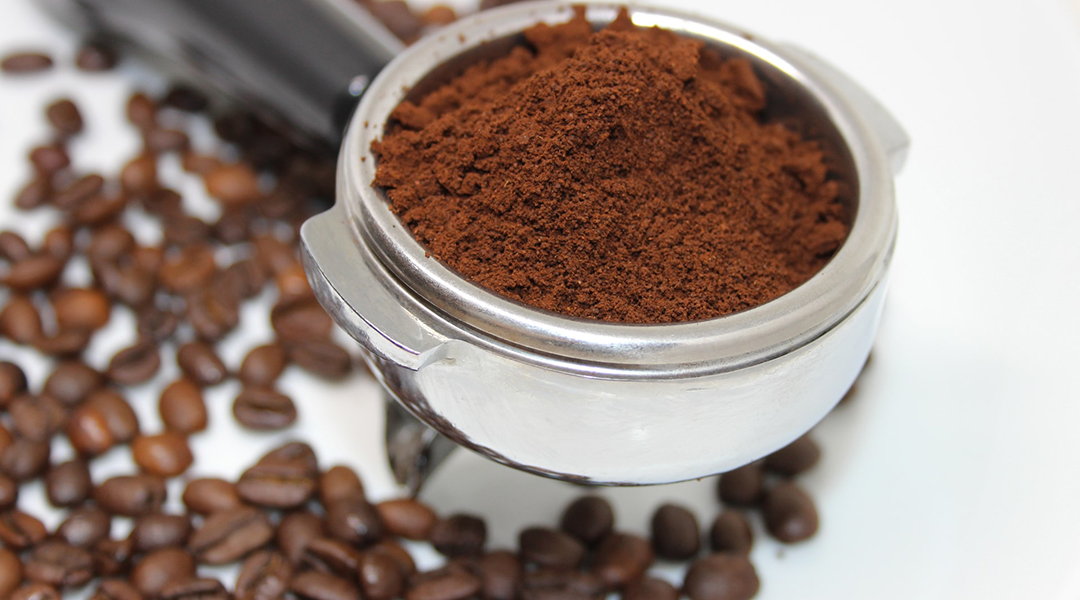
Chemists improve the properties of bio-based resins using spent coffee grounds as a key ingredient.
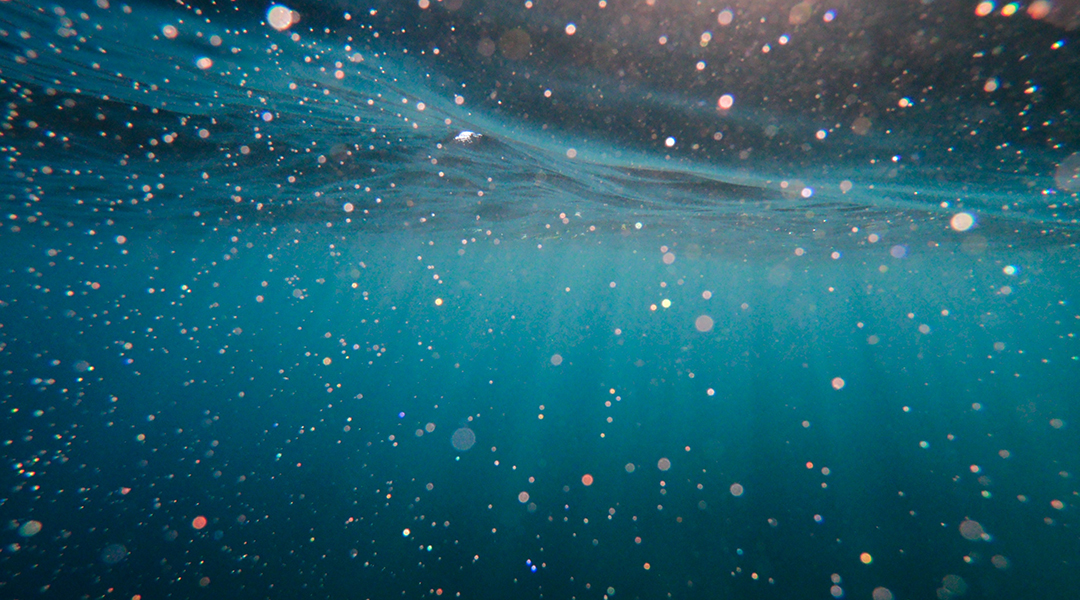
Specially designed microrobots could help clean plastic waste from water systems.
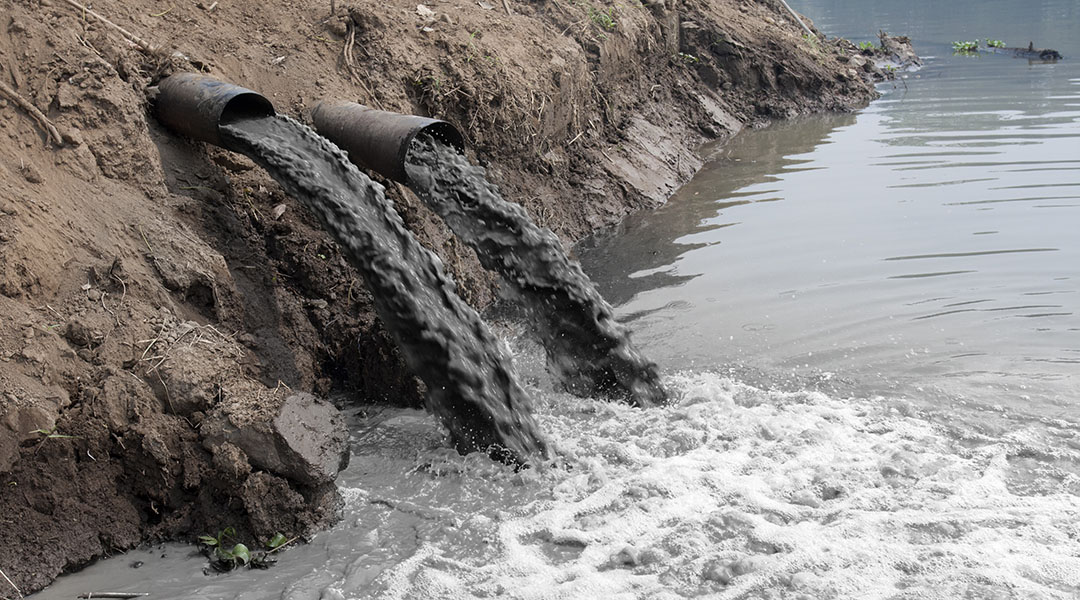
Brownmillerite, found in natural mineral deposits, could help disinfect water in resource-poor regions.
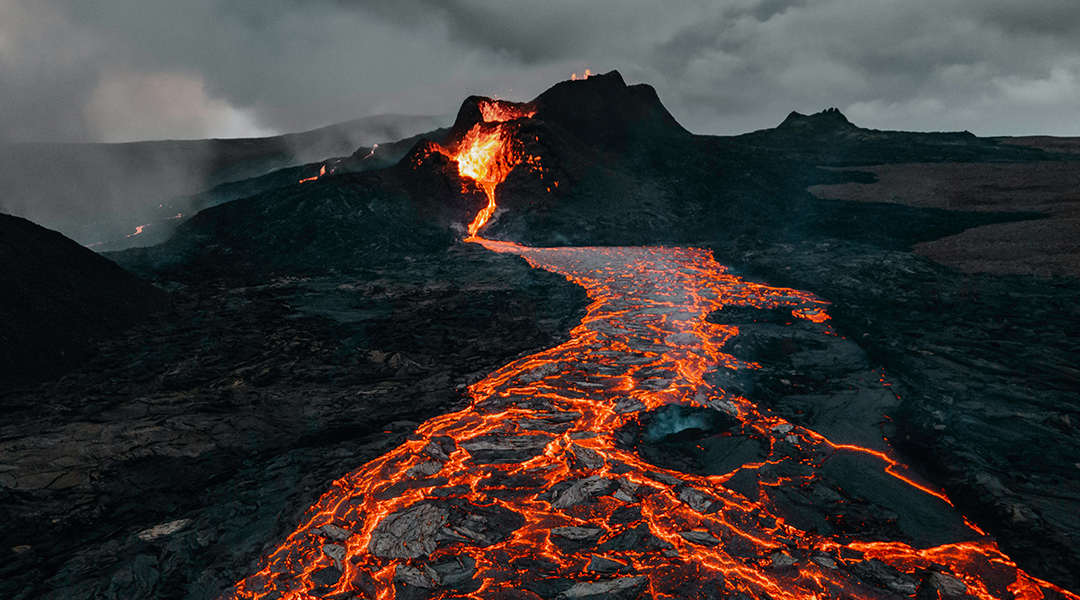
The weathering of the Earth’s surface serves as a geological thermostat and new research says that the breakdown of rocks at volcanic sites could help consume some of the world’s atmospheric carbon.
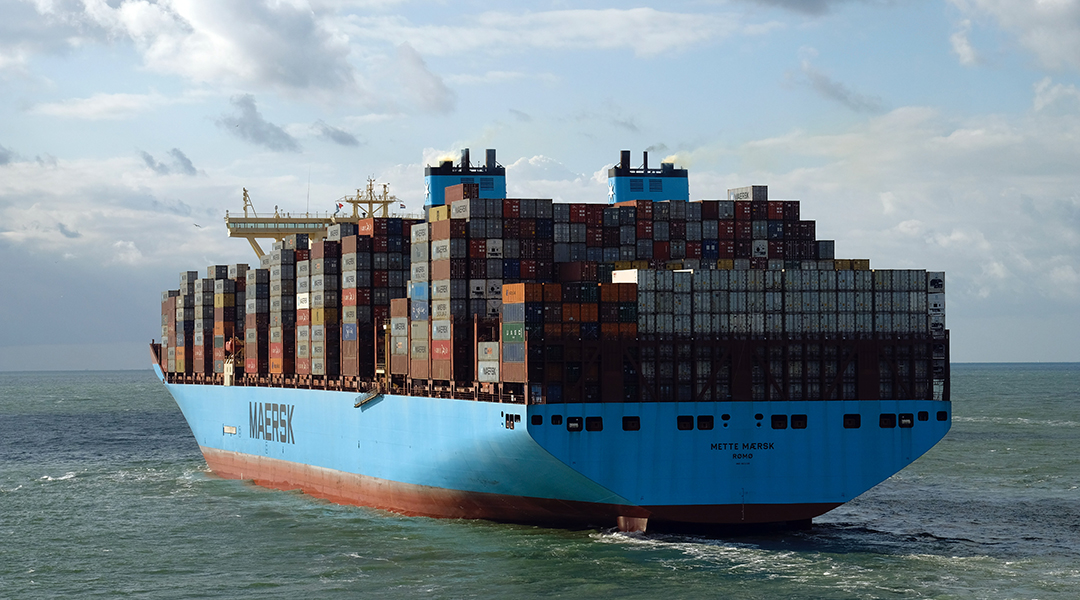
Advances in sustainable, methanol-based fuels bring us a step closer to carbon neutral shipping.
Major world economies are investing more in green technologies, but how optimistic should we be?
Using a new model, experts say that without the global CFC ban we would already be facing the reality of a “scorched earth”.
 New theory suggests gravity is not a fundamental force
 Higgs boson may be driving the Universe’s expansion
 Water-powered gadgets may be on the horizon thanks to new evaporation-based energy device
 Scientists discover a new class of antibiotics
 Micron-sized hidden dimensions could solve two of physics’ deepest puzzles
 A new type of dark matter could explain mysterious radiation from the Milky Way’s core