Archimedean spirals for flexible heat actuator-sensor devices.


Archimedean spirals for flexible heat actuator-sensor devices.

Hello HAL, do you read me HAL?

Will artificial intelligence expand and enhance its teaching prowess to the point where it can replace the professor in his or her traditional role?

Scientists feed live microalgal cells terbium to fabricate 3D functional devices.
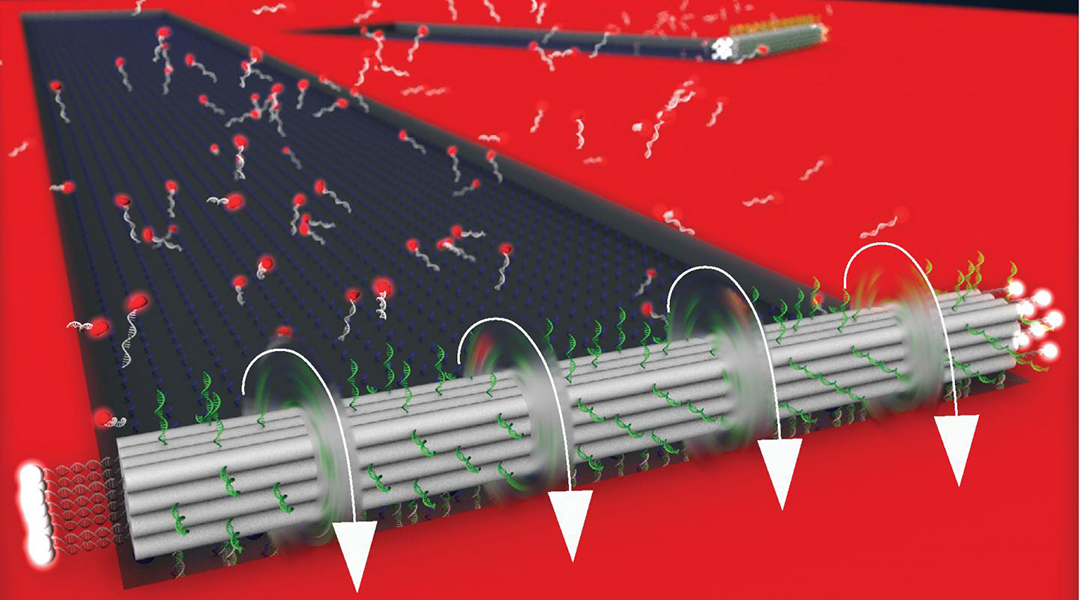
Scientists pave way for nanobots to one day diagnose and treat disease with the first DNA-based motor to run on chemical energy.

Masking heat signatures from prying eyes, researchers develop a new material that functions as a cloaking device.
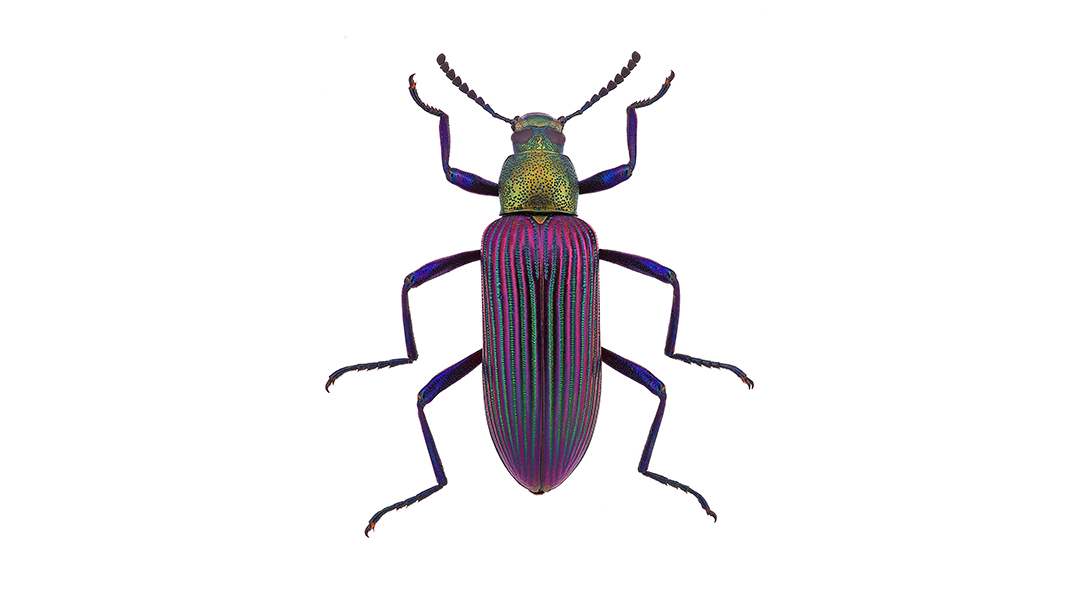
Researchers at Dartmouth have developed a miniature robotic bug that has a flexible body, is easily maneuverable, and can be completely flattened without damaging its functionality.

A wireless acoustic sensor that can be worn over fur could be especially useful for monitoring the vital stats of working animals such as sniffer dogs.
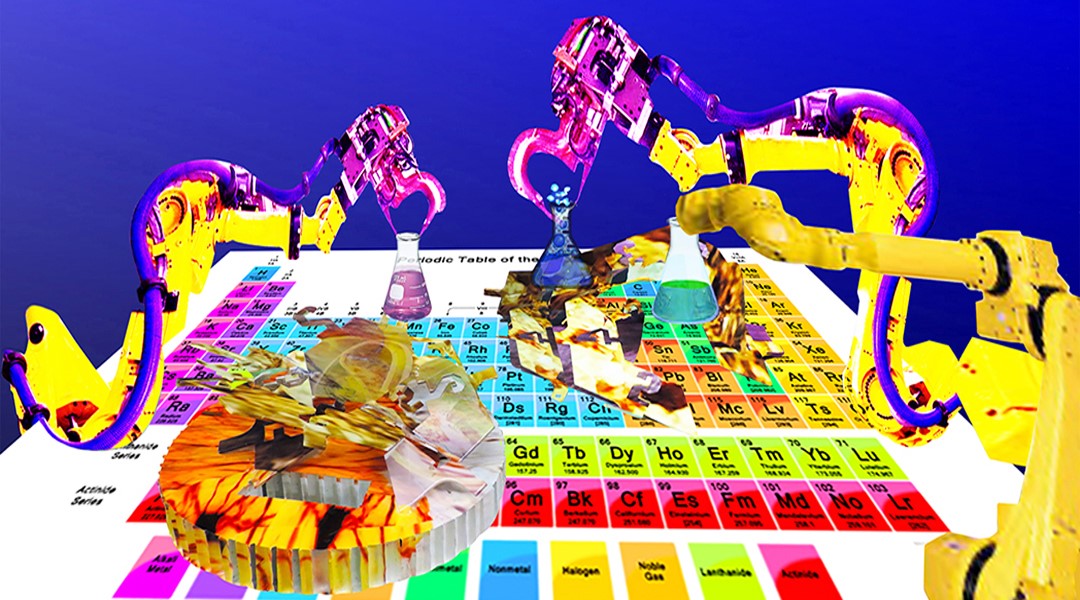
AI is being leveraged to provide machines with the capacity to match or even outperform humans in many endeavors. So what does this mean for the synthetic chemist?

The importance of understanding the experimental process is ubiquitous in research. And while we have a huge range of techniques at our disposal, we should be aware of and properly consider their limitations, so that we may present reliable methods and conclusions to...
 New theory suggests gravity is not a fundamental force
 Higgs boson may be driving the Universe’s expansion
 Water-powered gadgets may be on the horizon thanks to new evaporation-based energy device
 Scientists discover a new class of antibiotics
 Micron-sized hidden dimensions could solve two of physics’ deepest puzzles
 A new type of dark matter could explain mysterious radiation from the Milky Way’s core