The fundamental capabilities of inkjet and aerosol jet printing relevant to electrochemical devices are reviewed and future challenges are discussed.

The fundamental capabilities of inkjet and aerosol jet printing relevant to electrochemical devices are reviewed and future challenges are discussed.
Specially designed carbon nanotube nanomotors undergo rotary motion in water, driving external mechanical loads on the nanoscale.
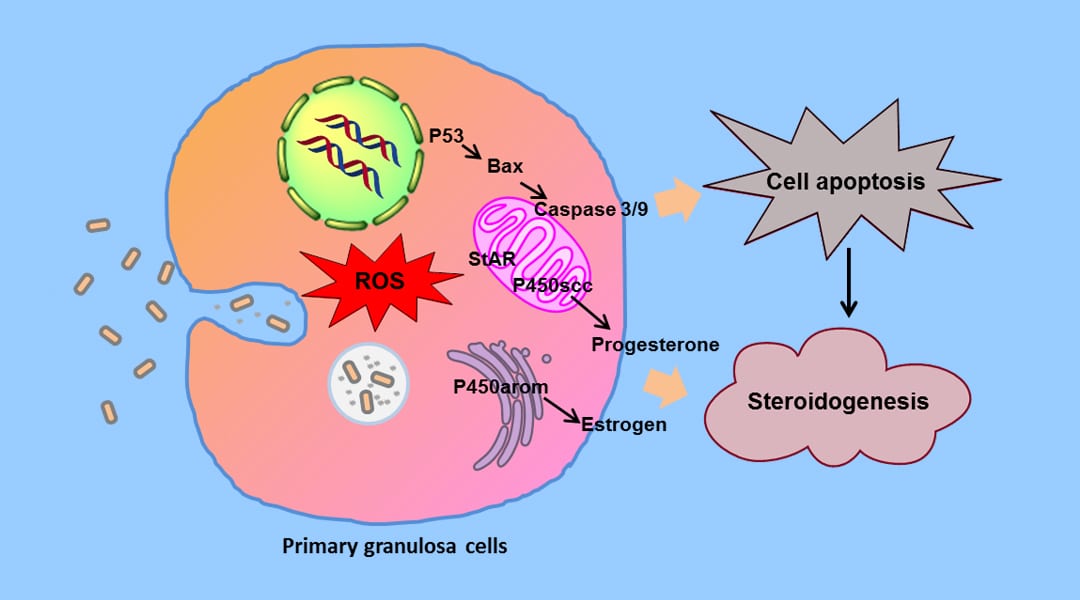
A study that looks at how silver nanomaterials could affect the female reproductive system.

Taking the headache out of brain surgery: these gold nanoparticles cross the blood–brain barrier and report when they hit tumour tissue.
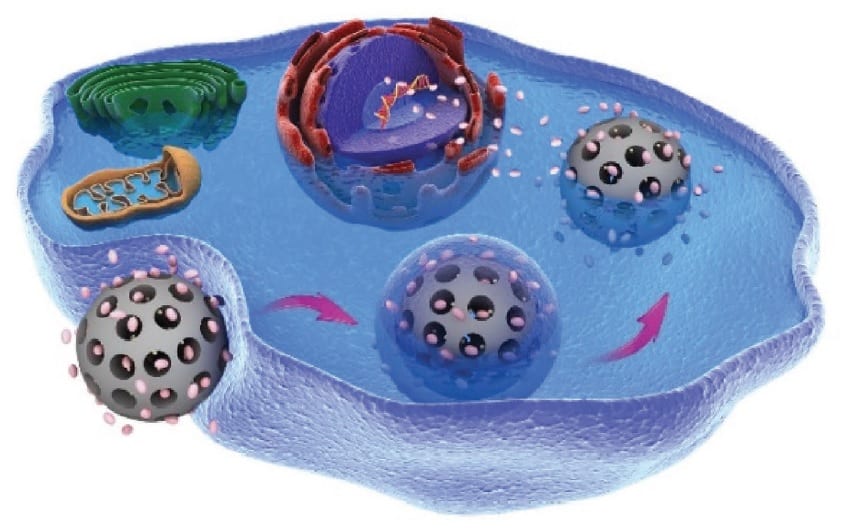
Antitumour platform comes of age: this system gets the responsible drug to keep itself in check for transport and delivery.
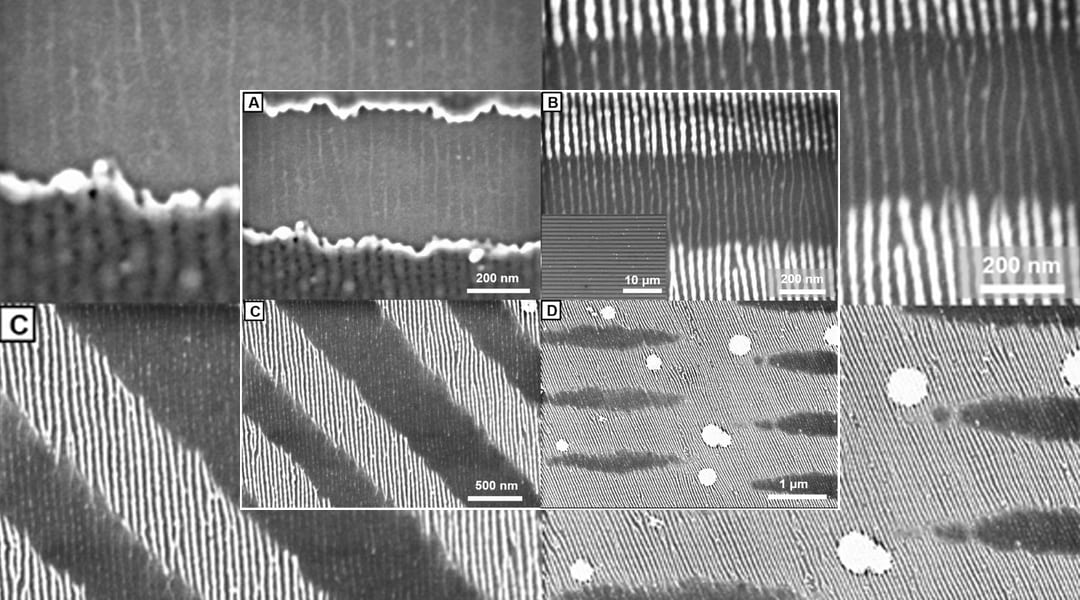
This old dog has a new trick: an adapted lithography technique allows precise variation of the composition of 1D materials during fabrication.
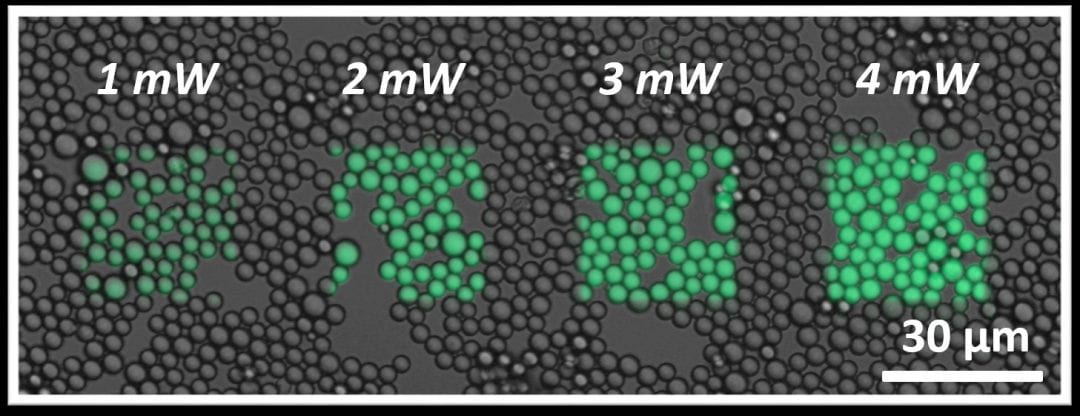
The NITEC reaction is explored with tetrazole-functionalised microparticles, and demonstrates micrometer-scale resolution as a surface-patterning technique.
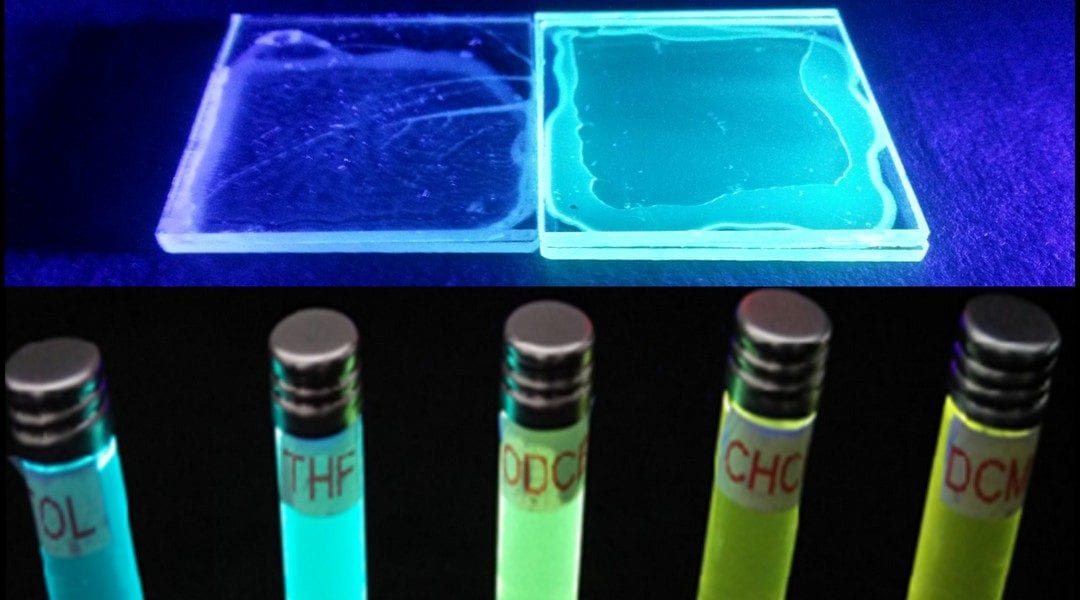
Thermally activated delayed fluorescence (TADF)-type compounds have potential to become high-efficiency-solid-state lighting technologies in the future.
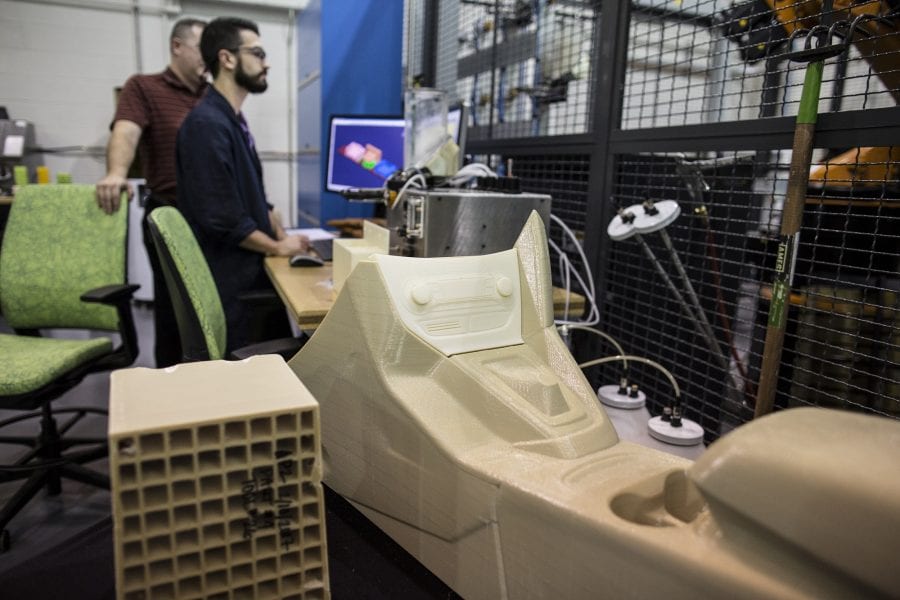
Ford tests large-scale 3D printing with light-weighting and personalization in mind.

With the research project NEST-DC the technological basis is set for high performance electronic circuit breakers.
 New theory suggests gravity is not a fundamental force
 Higgs boson may be driving the Universe’s expansion
 Water-powered gadgets may be on the horizon thanks to new evaporation-based energy device
 Scientists discover a new class of antibiotics
 Micron-sized hidden dimensions could solve two of physics’ deepest puzzles
 A new type of dark matter could explain mysterious radiation from the Milky Way’s core