Synthetic cells that function as autonomous systems for producing an anti-cancer protein inside the body are developed.
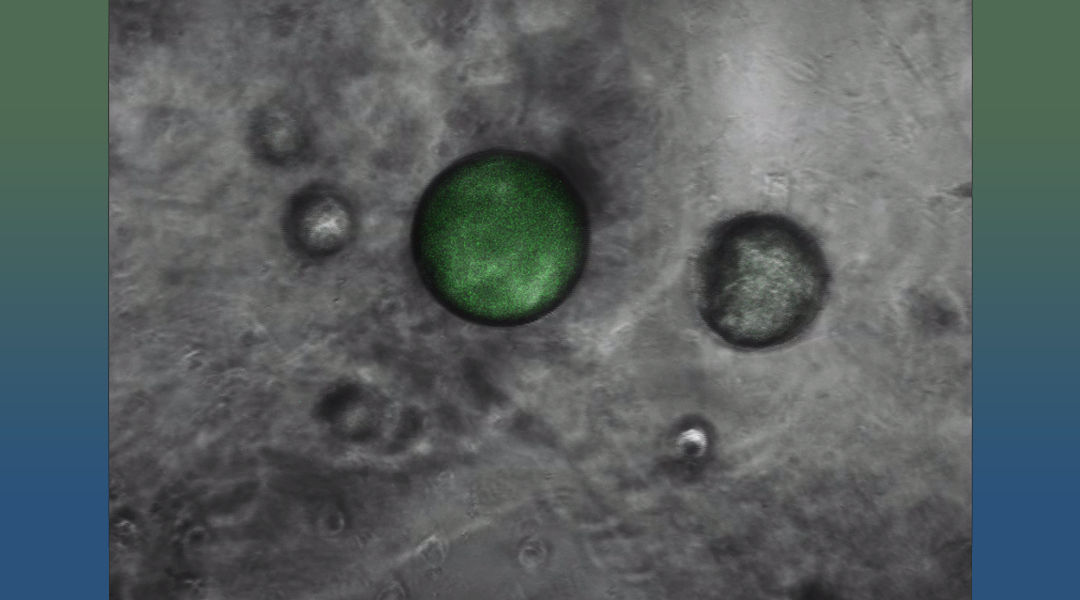

Synthetic cells that function as autonomous systems for producing an anti-cancer protein inside the body are developed.
![Nanostructured Water Treatment Membranes Based on Thermotropic Liquid Crystals [Video]](https://www.advancedsciencenews.com/wp-content/uploads/2018/02/advs20170405_ASN_image.png)
A team of researchers design sub-nanoporous, selective membranes for water treatment using self-assembled liquid crystal (LC) monomers. The membranes show salt rejection ability, ion selectivity, and excellent water permeability.

Low temperature plasmas (LTPs) show promise as efficient green technologies for enhancing productivity while maintaining good food quality and safety in the many steps of the food cycle. As a result, applications of LTPs in agriculture have led to creation of a new, rapidly developing field called “plasma agriculture.”
![ZIF-Derived Bifunctional Air Electrodes for Rechargeable Zinc–Air Batteries [Video]](https://www.advancedsciencenews.com/wp-content/uploads/2018/02/adfm201705048_ASN_image.png)
A simple, inexpensive, and scalable method is developed to produce cobalt-nanoparticles-encapsulated nitrogen-doped carbon nanotubes (Co-N-CNTs) as bifunctional air electrodes for Zn–air batteries.
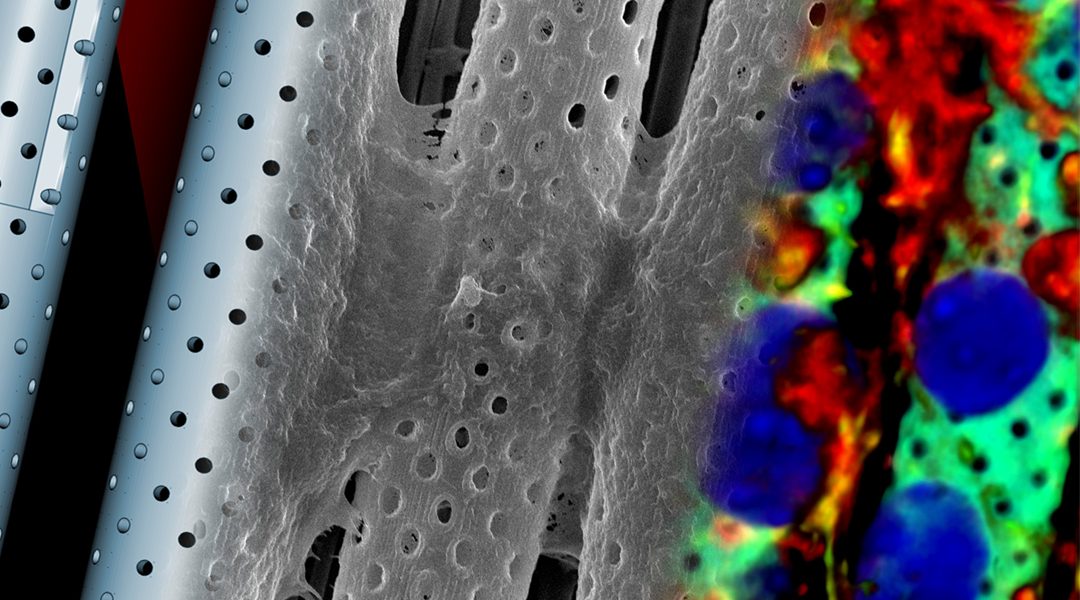
Bioinspired, biohybrid device design and fabrication strategy for investigating the ability of therapeutics to cross the blood brain barrier.
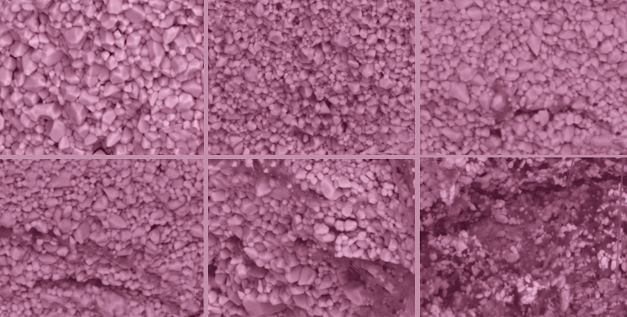
It is shown that polymer such as Teflon can be distributed around each grain of ZnO, and this, in turn, allows for use to form a composite material with an electrical conduction that is blocked at low fields and conducts at high field through the quantum mechanical process known as “tunneling”.
Ni-based superalloys, hitherto utilized exclusively for high temperature applications, e.g. as turbine blades in aero engines, are used to prepare heat-resistant membranes.
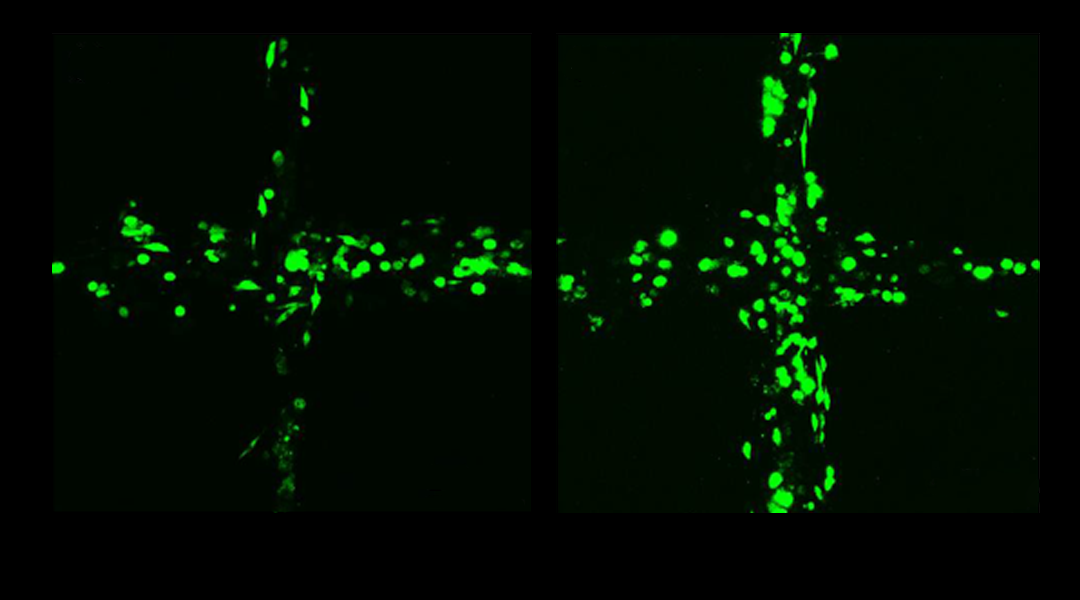
Cell printing using this new electro-hydrodynamic technique allows the creation of cell structures with multiple layers and a high cell viability.
![Flexible Nickel–Metal Hydride Batteries [Video]](https://www.advancedsciencenews.com/wp-content/uploads/2018/02/ASN-picture.jpg)
Researchers develop a modified silkscreen printing and electrodeposition technique to fabricate a thin, freestanding nickel matrix for use as a flexible electrode in high-performance nickel–metal hydride (NiMH) batteries.

A team of researchers found an innovative way of curing ham by using plasma-treated water as an alternative to chemical curing solutions.
 New theory suggests gravity is not a fundamental force
 Higgs boson may be driving the Universe’s expansion
 Water-powered gadgets may be on the horizon thanks to new evaporation-based energy device
 Scientists discover a new class of antibiotics
 Micron-sized hidden dimensions could solve two of physics’ deepest puzzles
 A new type of dark matter could explain mysterious radiation from the Milky Way’s core