Near-infrared sensors and displays developed based on the maximized efficiency of optical wavelength conversion.

Near-infrared sensors and displays developed based on the maximized efficiency of optical wavelength conversion.
The next generation of contact lenses addresses current problems such as dry, itchy eyes.
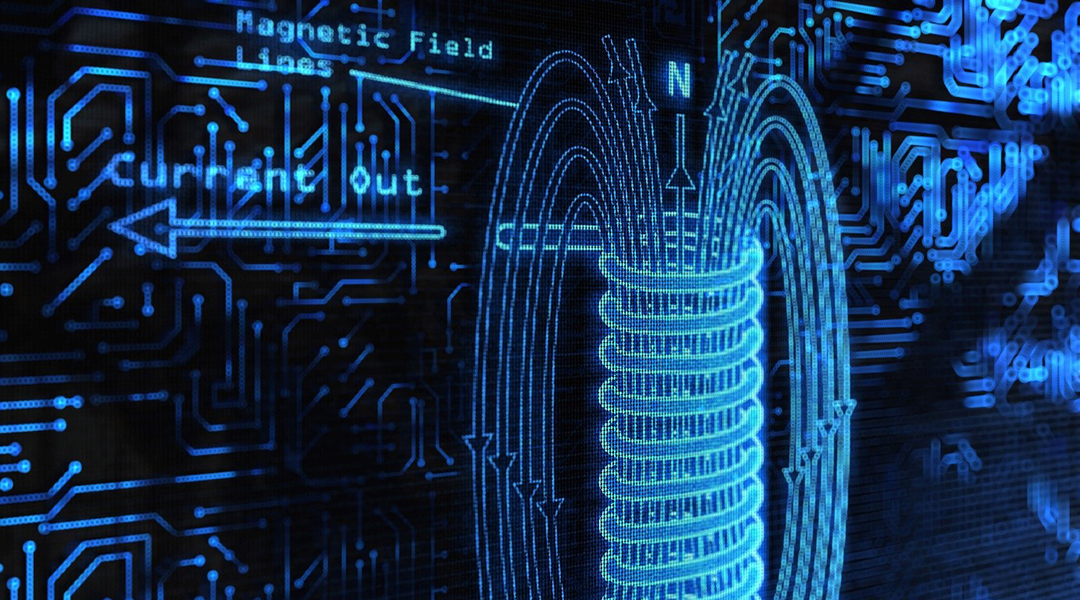
Clarifying some of the misconceptions, limitations, and capabilities of CEM modelling to help researchers find the right tools for their needs.
Discotic liquid crystals could serve as organic power cables for novel electronic and opto‐electronic devices.
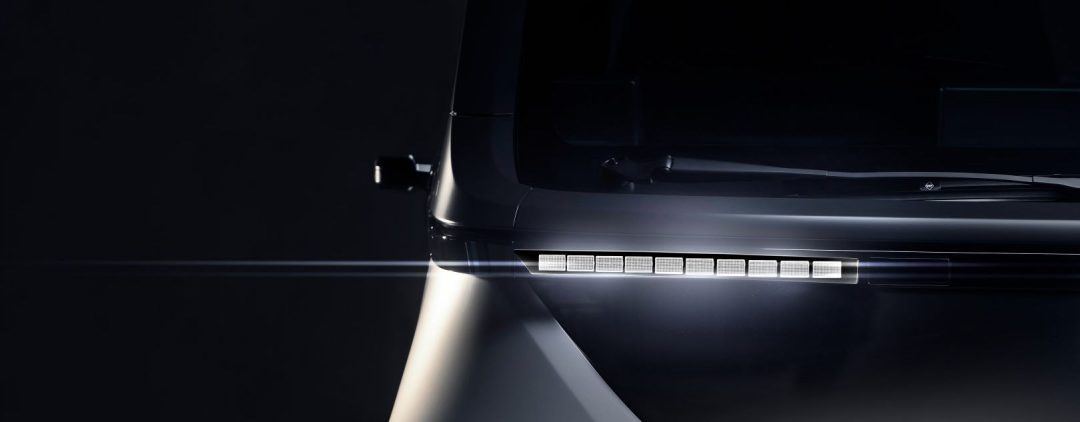
A new micro-lens array technology produces high-quality 3D images that can be used to improve driver safety, vehicle function, and provide innovative design effects.
Improving the eye’s ability to detect light in the near-infrared region could do more than help humans see in the dark.
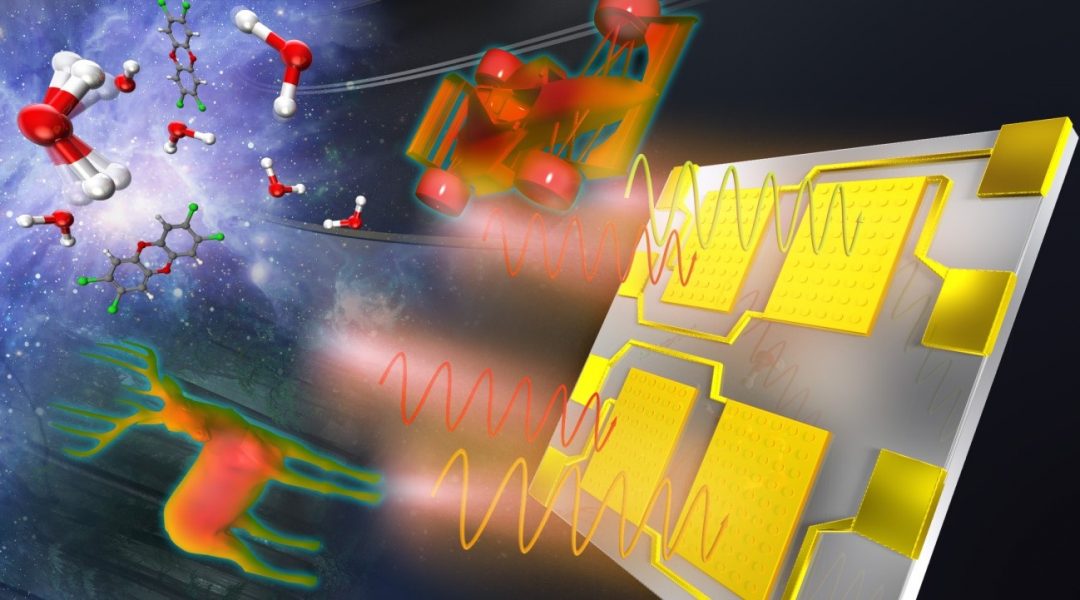
An on-chip multi-wavelength IR sensor that can measure the thermal spectrum of matter.

The 25th Single Molecule Workshop brought together renowned researchers with young scientists in Berlin to discuss and exchange latest results in the field.

A cost‐effective, automated parasite diagnostic system that does not require special sample preparation or a trained user.

Raman spectroscopy is an emerging microbiologic diagnostic tool and can be used as an intrapartum screening test for Streptococcus bacteria.
 New theory suggests gravity is not a fundamental force
 French WEST reactor breaks record in nuclear fusion
 Quantum entanglement visualized for the first time ever
 Higgs boson may be driving the Universe’s expansion
 An anti-inflammatory peptide may hold the key to low-back pain relief
 Could a nuclear explosion set Earth’s atmosphere on fire?
 Black hole images deliver a deathblow to alternative theory of gravity
 The Road to Better Presentation of Data: The Do’s and Don’ts
 The dramatic story behind general relativity’s Nobel Prize snub
 Researchers replicate gravitational lensing in the lab