Gravitational waves produced by the phase transitions of matter right after the Big Bang could provide new insights into particle physics.

Gravitational waves produced by the phase transitions of matter right after the Big Bang could provide new insights into particle physics.
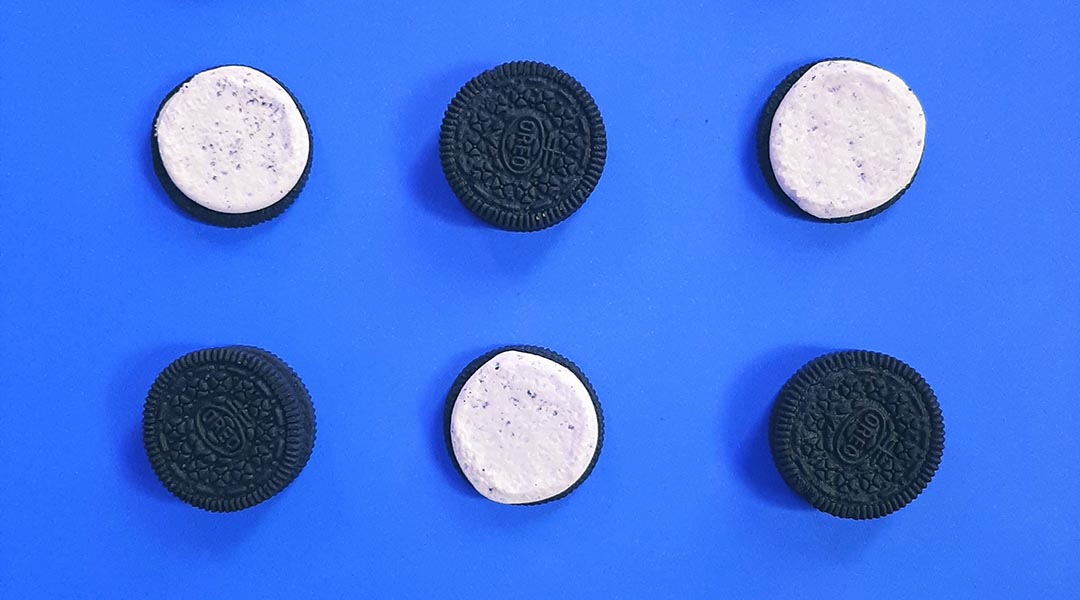
Mechanical engineers put Oreo cream filling through a battery of tests to understand what happens when two wafers are twisted apart.
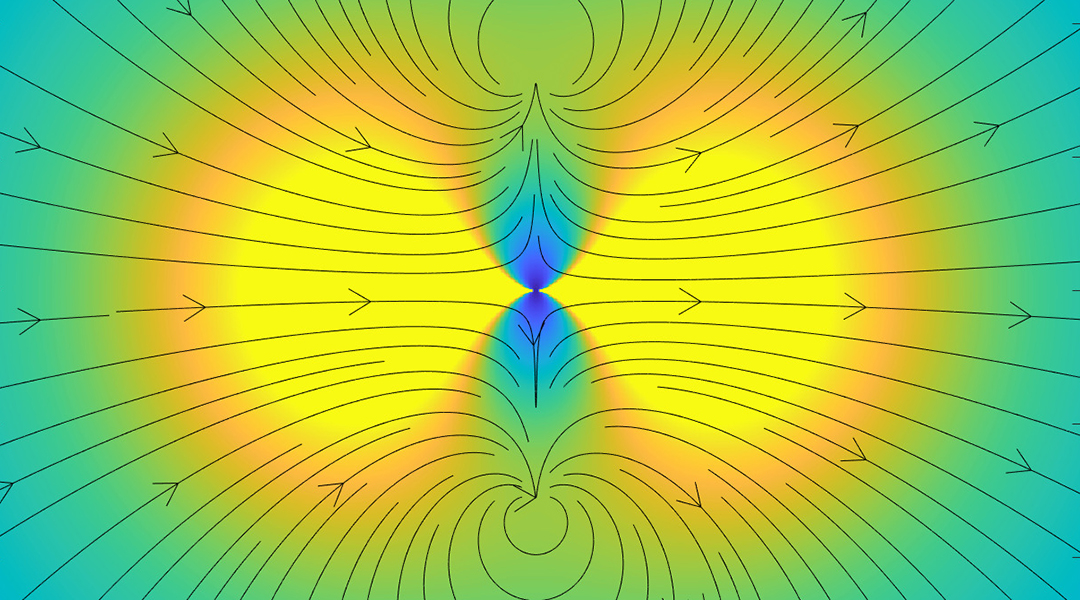
A new thought experiment explores the interface between quantum mechanics and general relativity using the transfer of information.
A set of quantum computers was put to the test by playing the notorious triangle game.
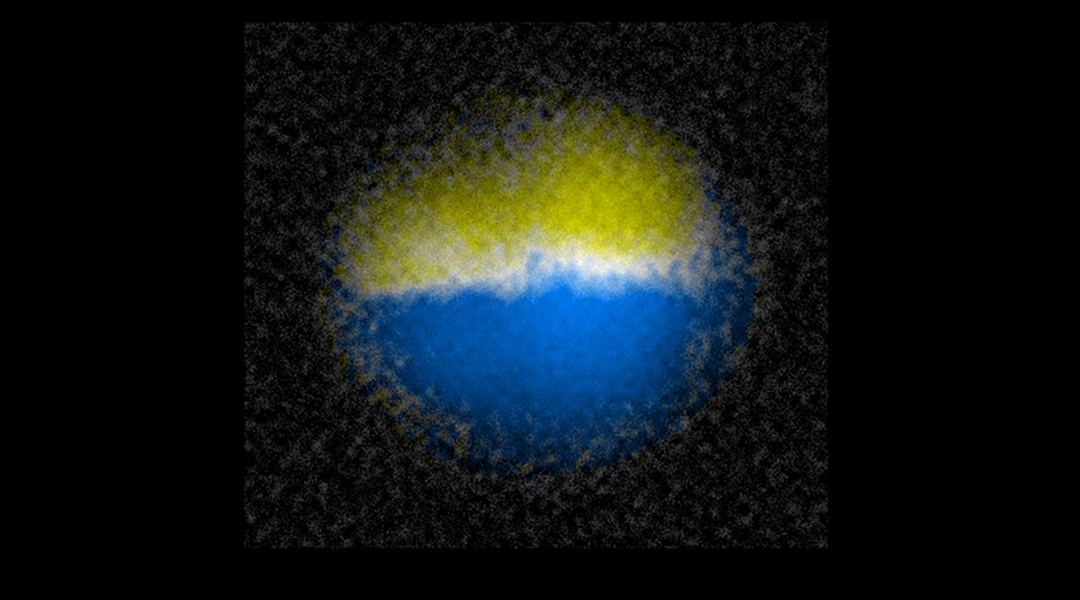
Researchers have discovered how to create and manipulate a quantum object called a “domain wall”, which exhibits particle-like properties.
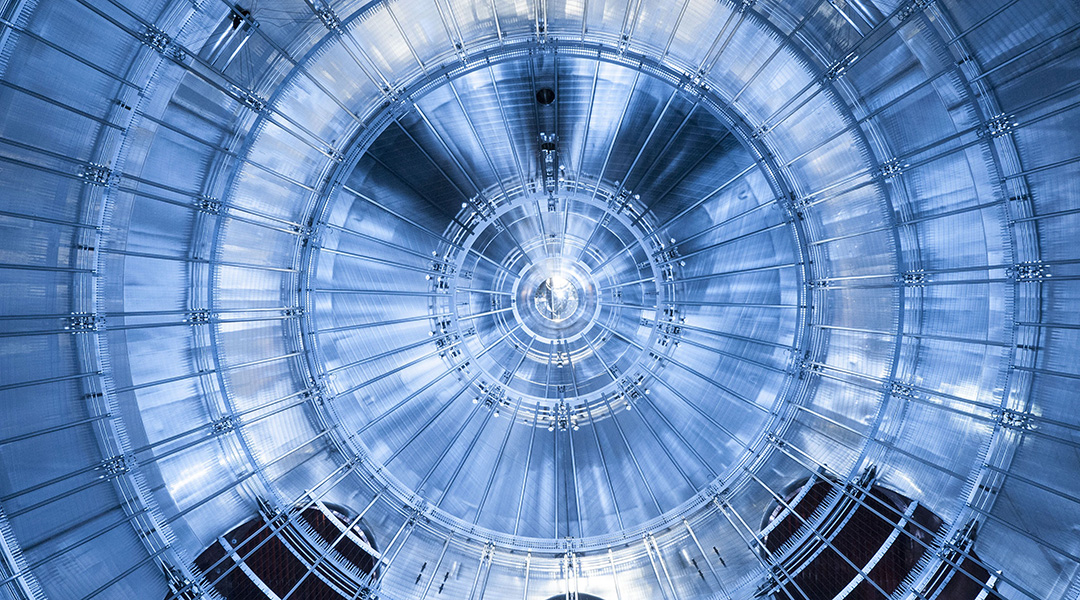
Scientists have constrained the mass of neutrinos to less than 1 eV for the first time, breaking an important barrier in neutrino physics.
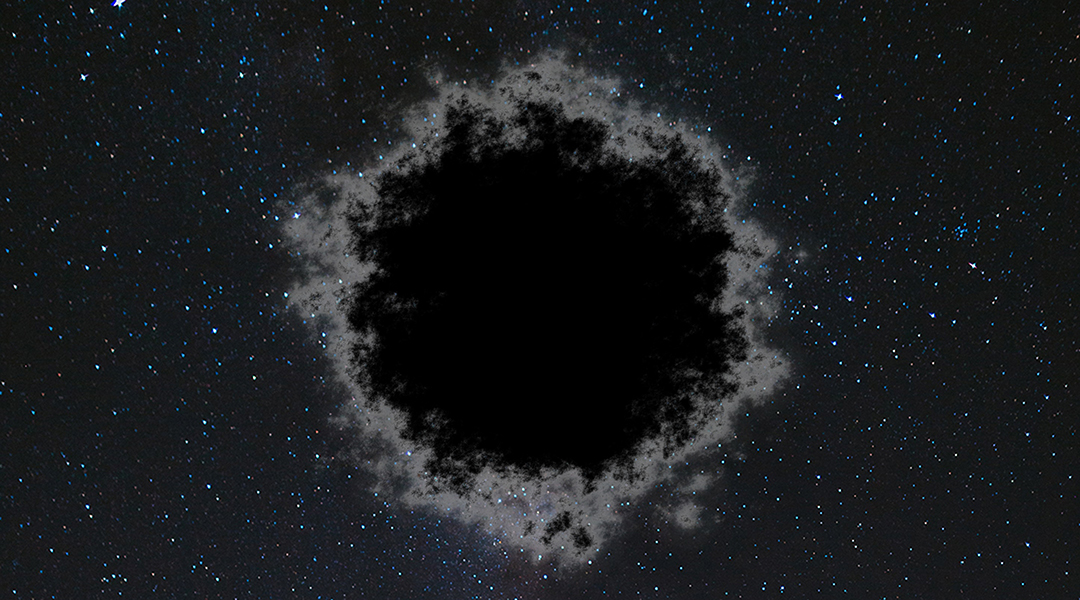
Scientists have turned to string theory to better understand black holes, proposing they can be modeled as “fuzzballs” made up of interacting strings.
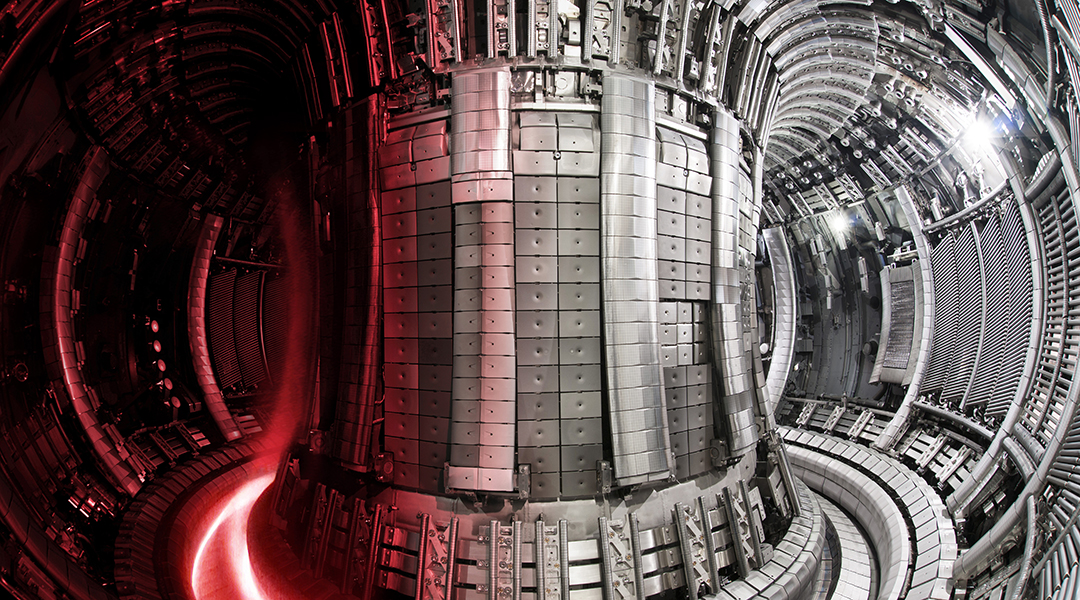
In a major breakthrough, scientists have demonstrated sustained nuclear fusion energy, providing hope for future large-scale projects.
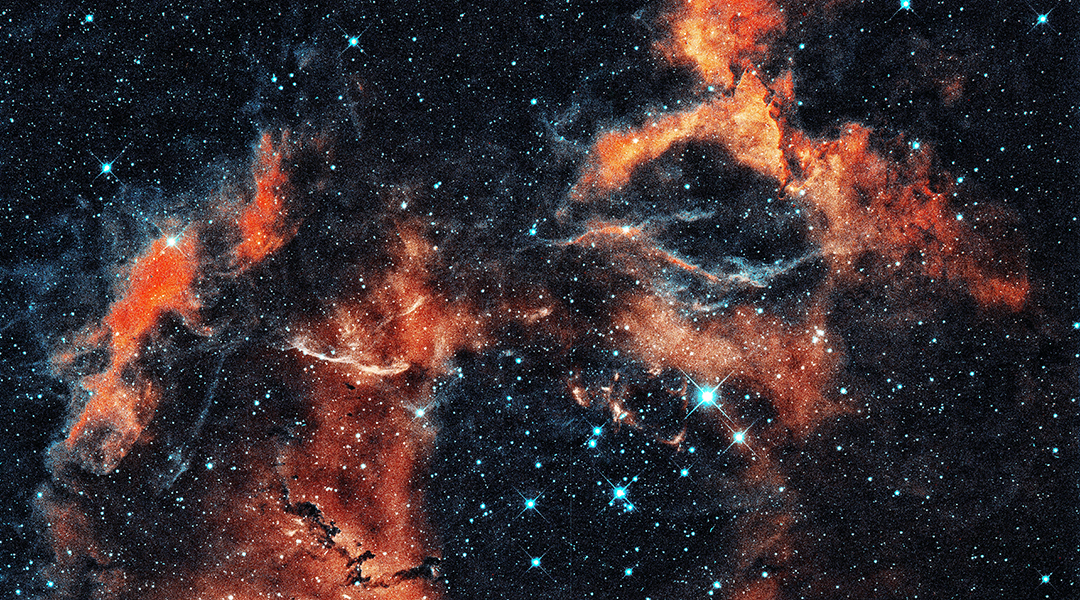
Using an artificial neural network and AI, researchers are developing a powerful computational tool to model particle physics following the Big Bang.
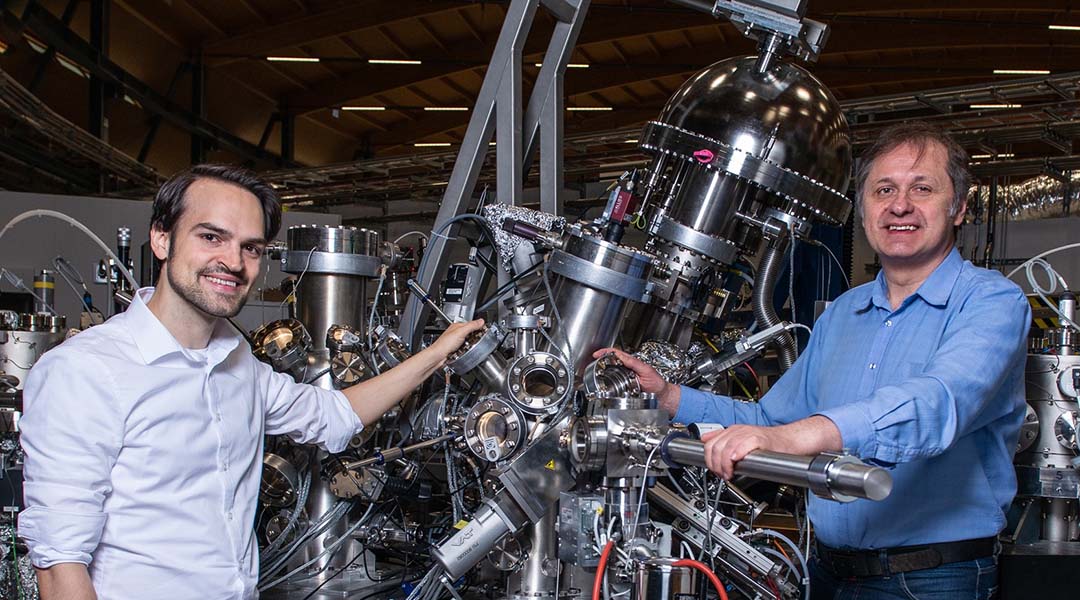
A new endeavor explores the idea of topological qubits that are easy to engineer for error-free quantum computing.
 Micron-sized hidden dimensions could solve two of physics’ deepest puzzles
 Turning Periods into Power: Menstrual Blood a Valuable Resource for Medical Diagnostics
 Surfactants Steer Supraparticle Structure
 Bone loss in obesity traced to gut microbiota
 Edible electronics realize safe, complex monitoring devices
 Fermilab Confirms Muon g-2 Measurements