Drug-free macromolecular therapeutic systems can target and kill cancer cells without causing the side-effects of the drugs currently in clinical use.
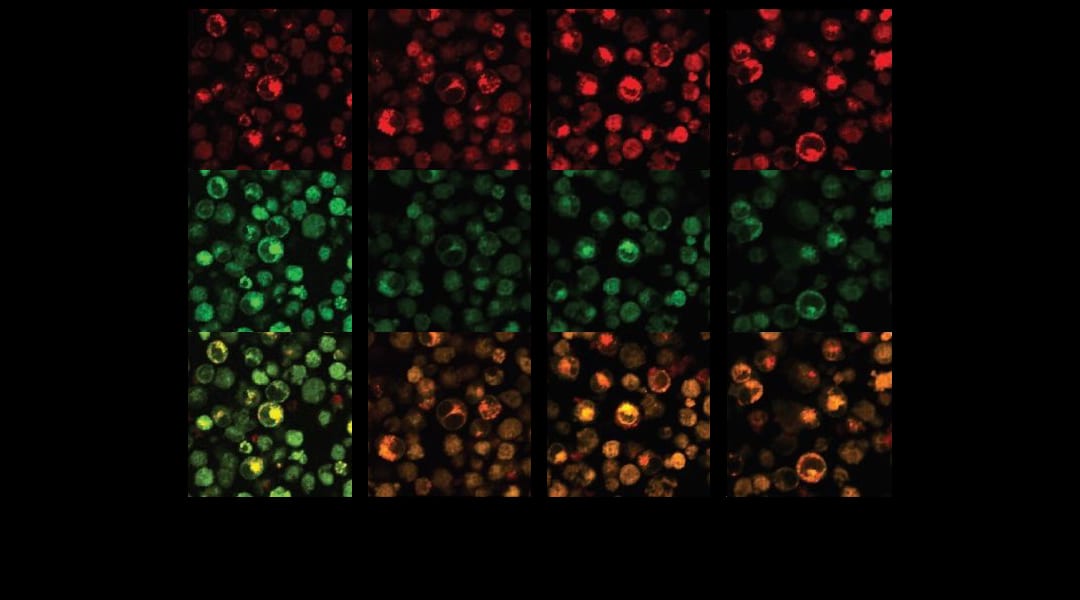

Drug-free macromolecular therapeutic systems can target and kill cancer cells without causing the side-effects of the drugs currently in clinical use.
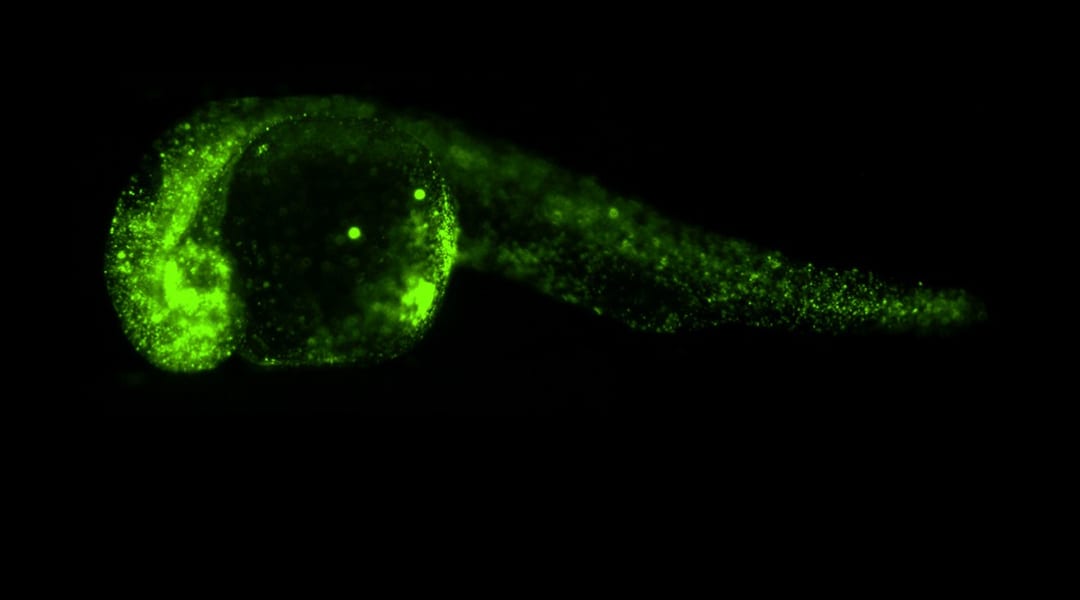
A complementary technique, based on the Holographic Optical Tweezers (HOT) technique, which enables several locations within the same sample to be probed simultaneously, is developed.
Recognizing his seminal contributions to the de novo design of peptides, proteins and pharmaceutically-active small molecules, we are thrilled to present Professor William F. DeGrado with the 2017 Biopolymers Murray Goodman Memorial Prize.
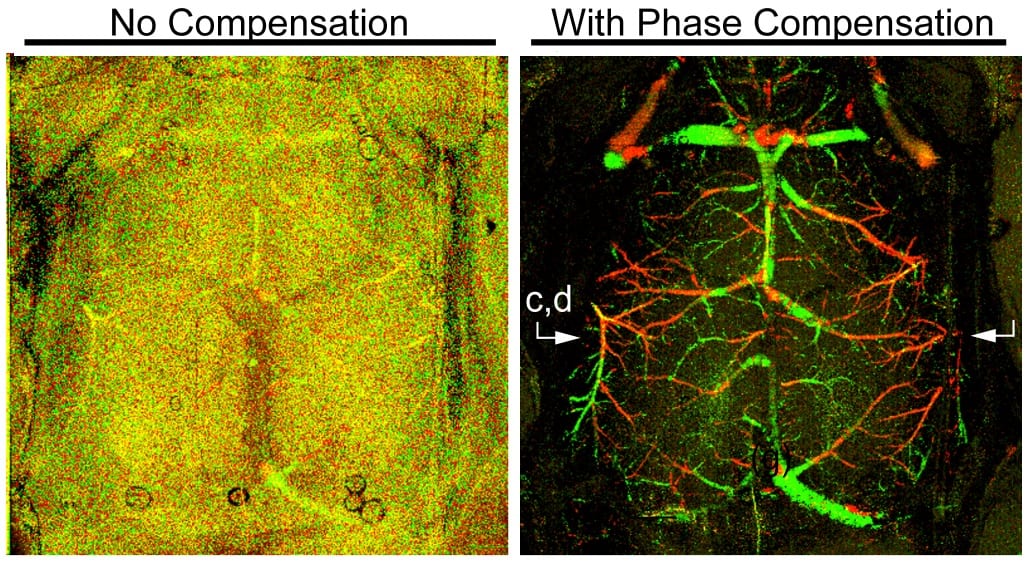
An American team of scientists develop a novel phase stabilization technique with significant improvement in the phase stability of a micro-electromechanical (MEMS) vertical cavity surface-emitting laser (VCSEL) based swept-source optical coherence tomography (SS-OCT) system.

Soft microswimmers that use a combination of acoustic and magnetic fields to demonstrate motion with precise manoeuvrability in a blood vessel.
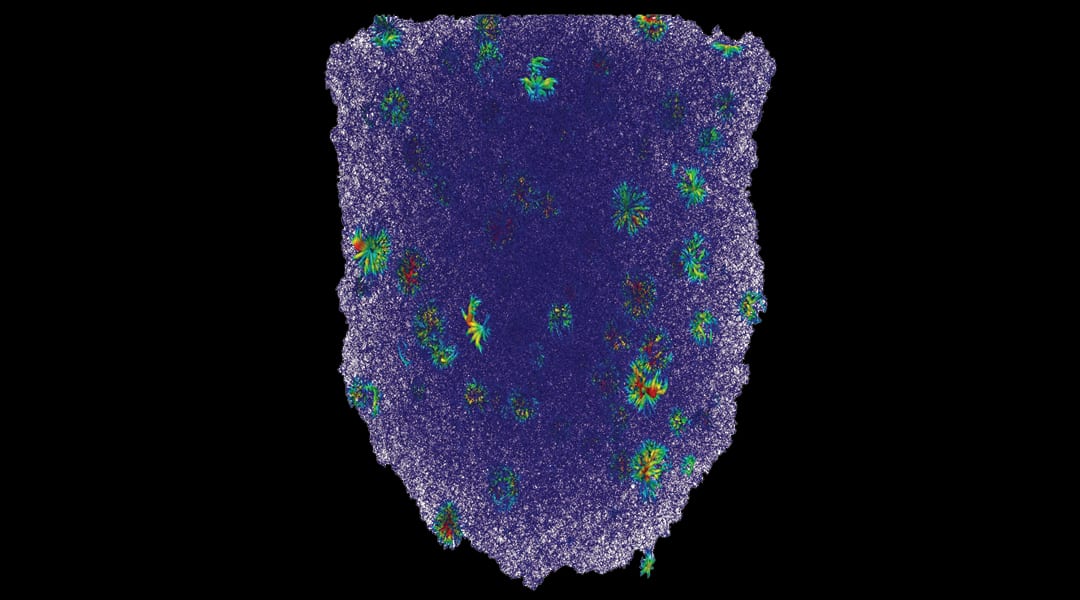
This new Special Issue in Advanced Engineering Materials highlights recent progress in the field of Cellular Materials.
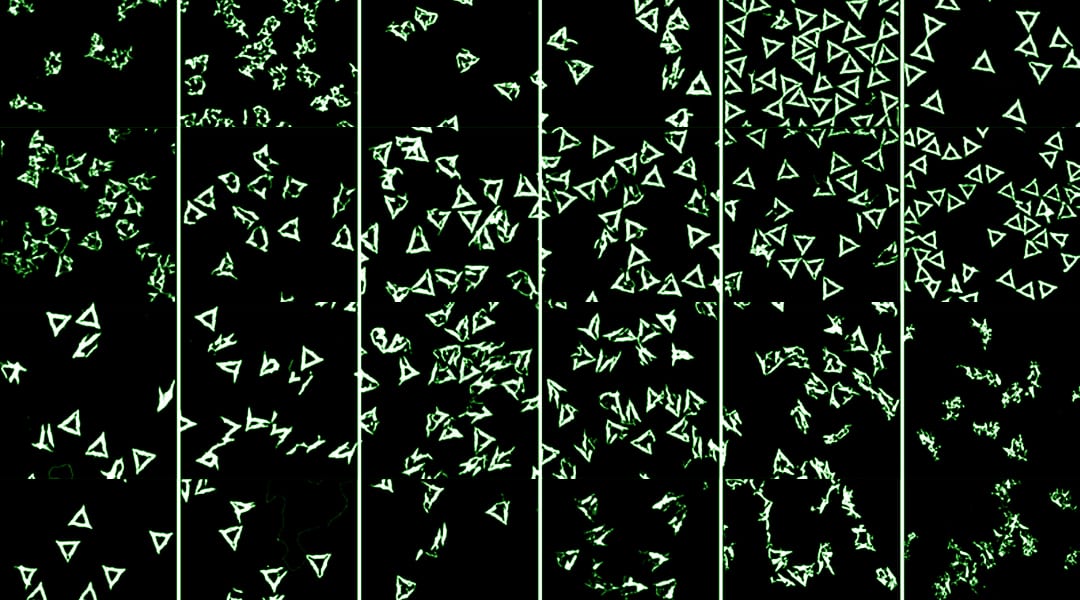
The stability of DNA origami under strongly denaturing conditions is investigated.

The Phospholipid Research Center Heidelberg, organised already its “5th International Symposium on Phospholipids in Pharmaceutical Research” from 18th – 19th September 2017 at the University of Heidelberg, Germany.
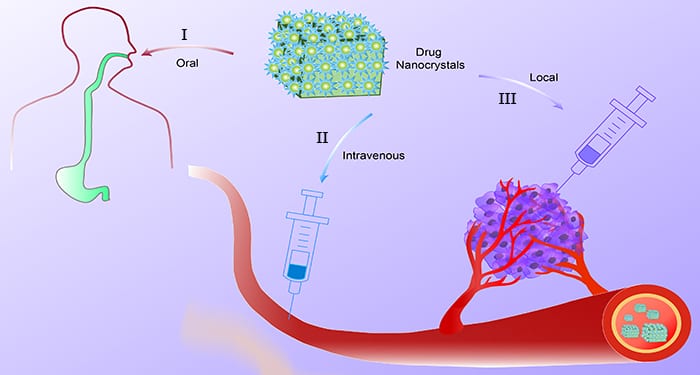
Drug nanocrystals deliver drugs via oral, intravenous, and local administration and show promise towards treating cancer more effectively.
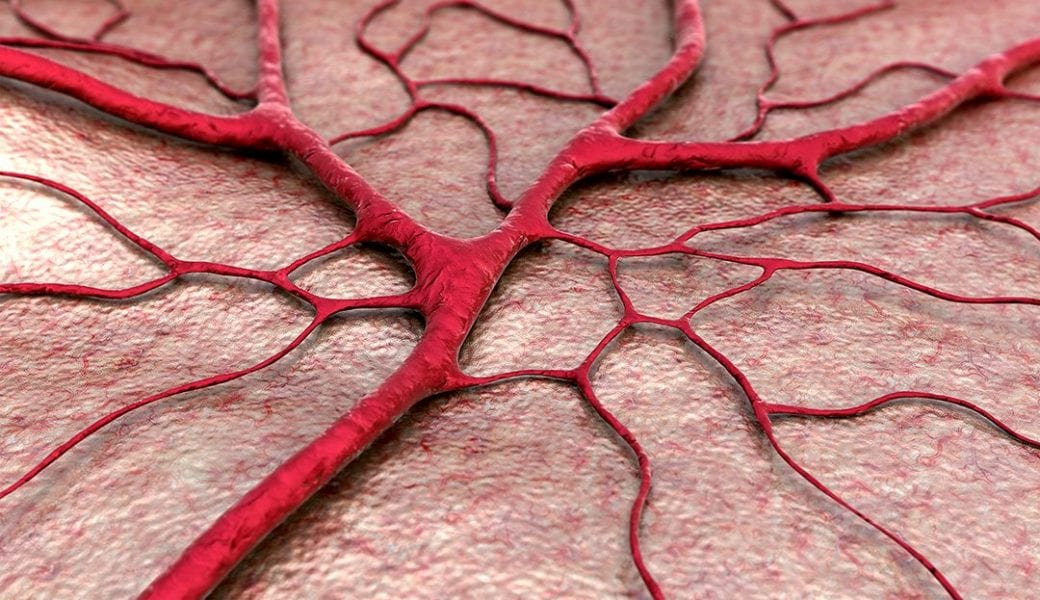
An advanced 4D bioprinting approach uses shape-morphing, biopolymer hydrogels to form the basis for blood vessels and other tubular structures in artificial tissues and organs.
 New theory suggests gravity is not a fundamental force
 Higgs boson may be driving the Universe’s expansion
 Water-powered gadgets may be on the horizon thanks to new evaporation-based energy device
 Scientists discover a new class of antibiotics
 Micron-sized hidden dimensions could solve two of physics’ deepest puzzles
 A new type of dark matter could explain mysterious radiation from the Milky Way’s core