Highly efficient and spectrally stable red perovskite LEDs developed by researchers at Florida State University.


Highly efficient and spectrally stable red perovskite LEDs developed by researchers at Florida State University.

The dissolution problem for manganese dioxide-based cathodes in zinc-based batteries has been solved, and fully knittable zinc–air batteries have been designed that can be incorporated into regular clothing to power portable devices.

The addition of a liquid metal anode enables the design of a deformable battery with some unusual characteristics.

A transparent and breathable microfluidic contact lens that could help to diagnose and treat eye disease is developed.

A wearable soft microfluidic device with sequentially filling reservoirs can collect, store, and analyze sweat in situ from almost any part of the body.
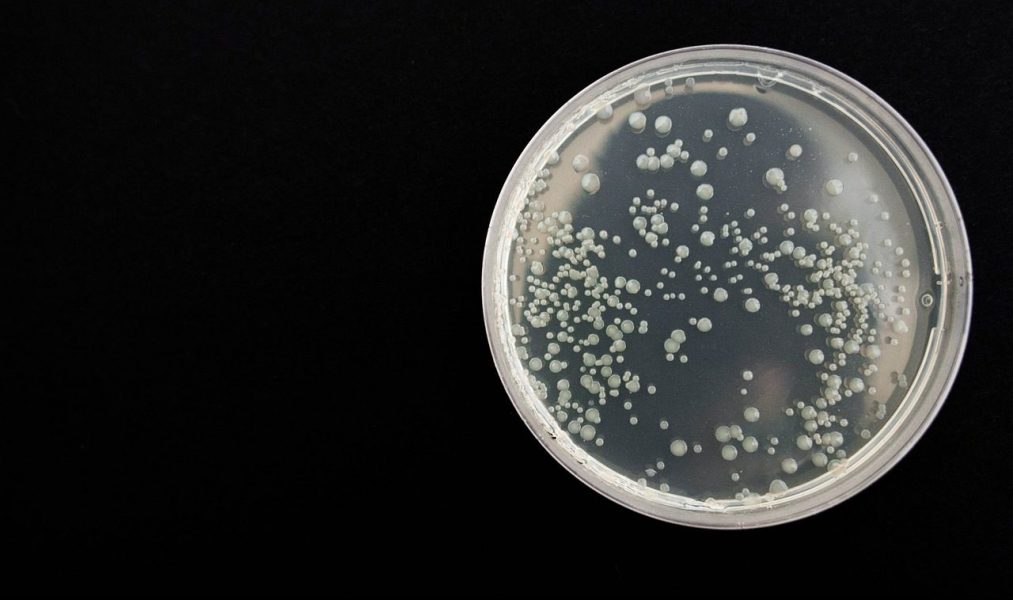
A team of Chinese researchers investigated the plasma-induced inactivation behavior of several bacteria without and with the presence of chloride.

Artificial intelligence is used to analyze the parameters for creating self-cleaning, superhydrophobic surfaces, and to generate a model for optimizing the experimental conditions.

The iridescence of Nicobar pigeon plumage is put under the microscope.

A broadband visible-light-driven photocatalytic SERS platform with the CuO nanowires (NWs)/Cu2O hetero-nanostructures as the backbone.

Graphene sensors with high-resolution features are produced on flexible tapes for wearable electronics via a simplified drop-cast-and-transfer process.

 Micron-sized hidden dimensions could solve two of physics’ deepest puzzles
 Turning Periods into Power: Menstrual Blood a Valuable Resource for Medical Diagnostics
 Surfactants Steer Supraparticle Structure
 Bone loss in obesity traced to gut microbiota
 Edible electronics realize safe, complex monitoring devices
 Fermilab Confirms Muon g-2 Measurements