The quantum computer named Jiuzhang was able to complete a task 100 trillion times faster than one of the world’s fastest super computers.
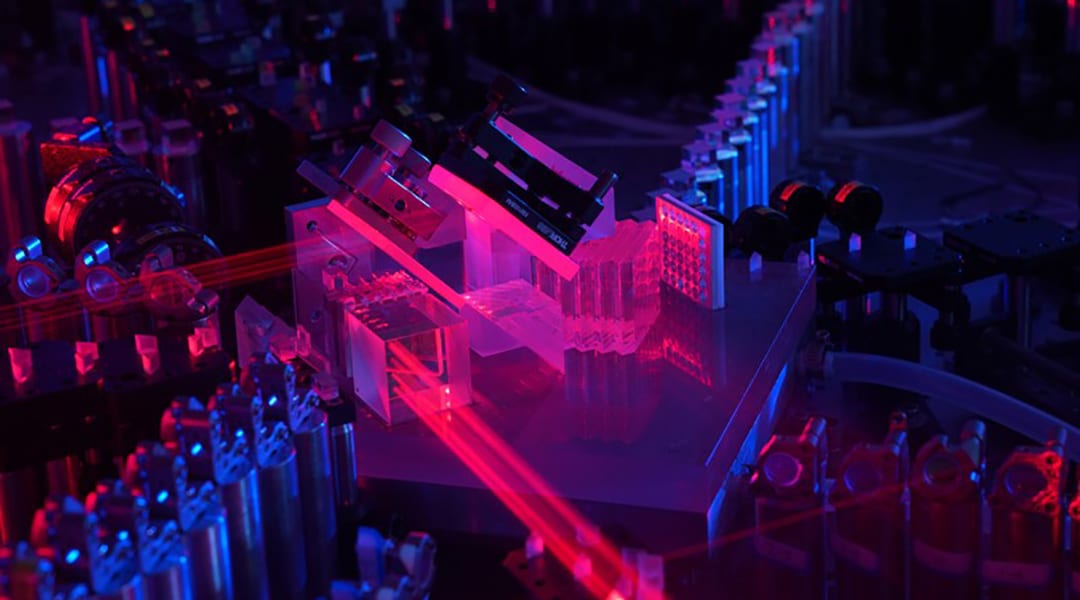

The quantum computer named Jiuzhang was able to complete a task 100 trillion times faster than one of the world’s fastest super computers.
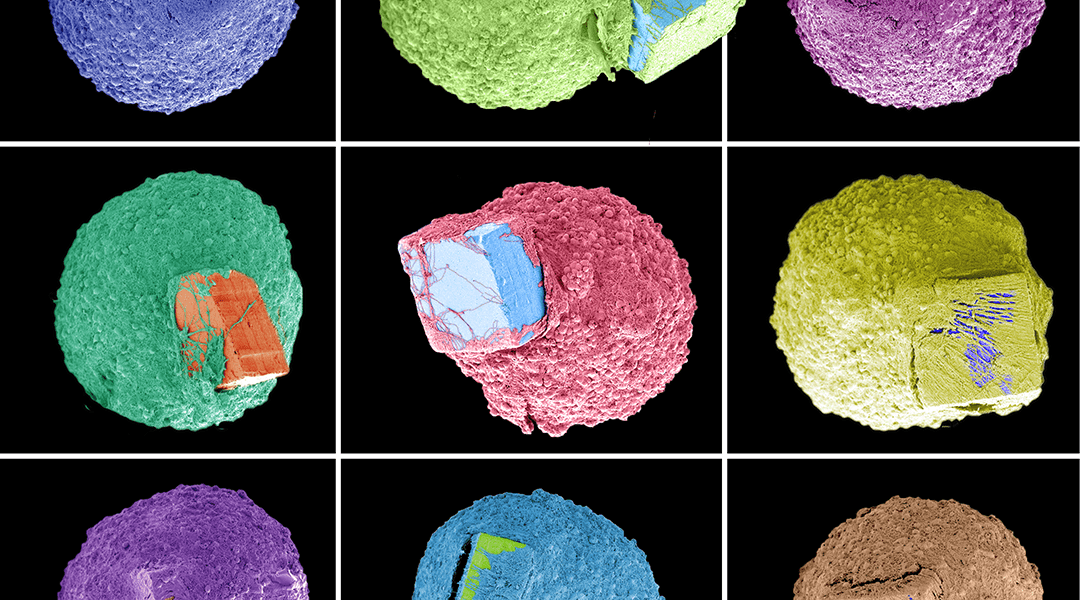
Researchers successfully grow 3D brain tissue on fully-integrated microchips for neural biosensing applications.
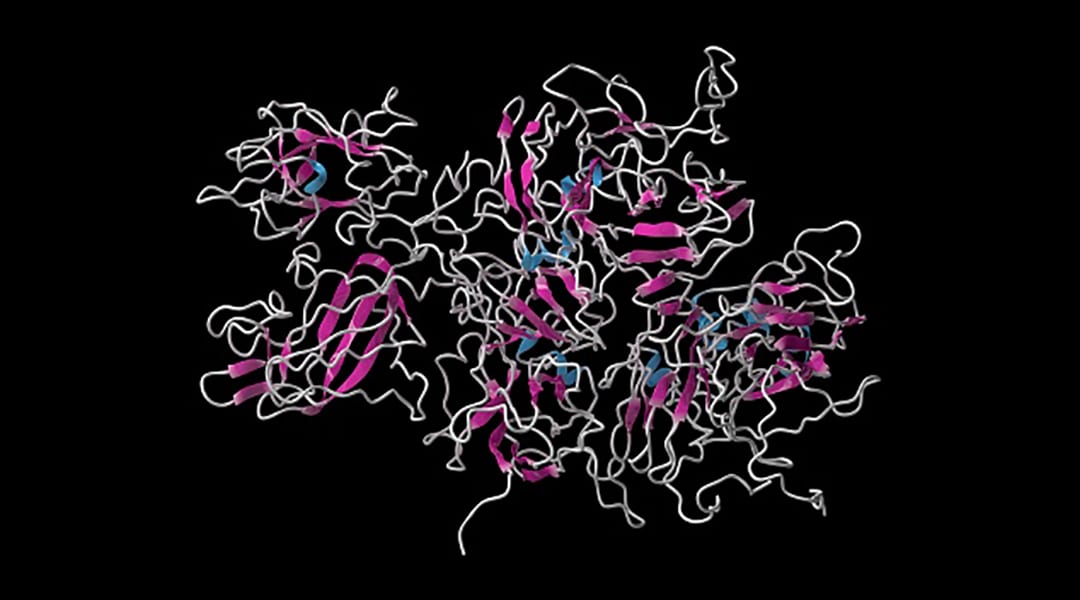
Using their deep-learning program, AlphaFold, researchers predict the 3D structure of proteins using only their linear amino acid sequence, revolutionizing computational biology as we know it.
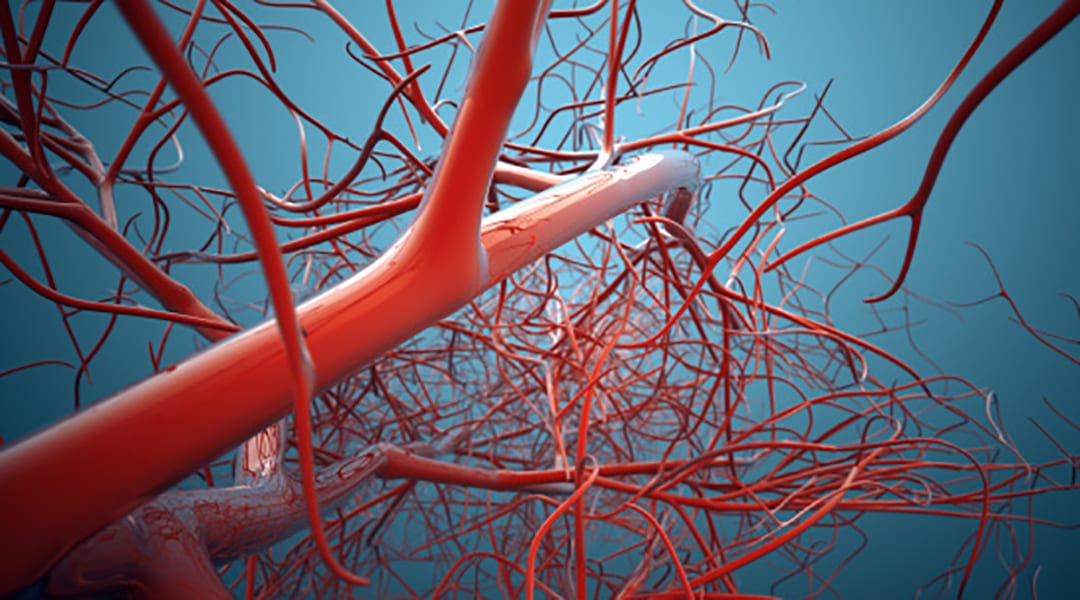
Blood pooling in venous valves is a key risk factor in deep vein thrombosis. A new model is used to better understand how this occurs.
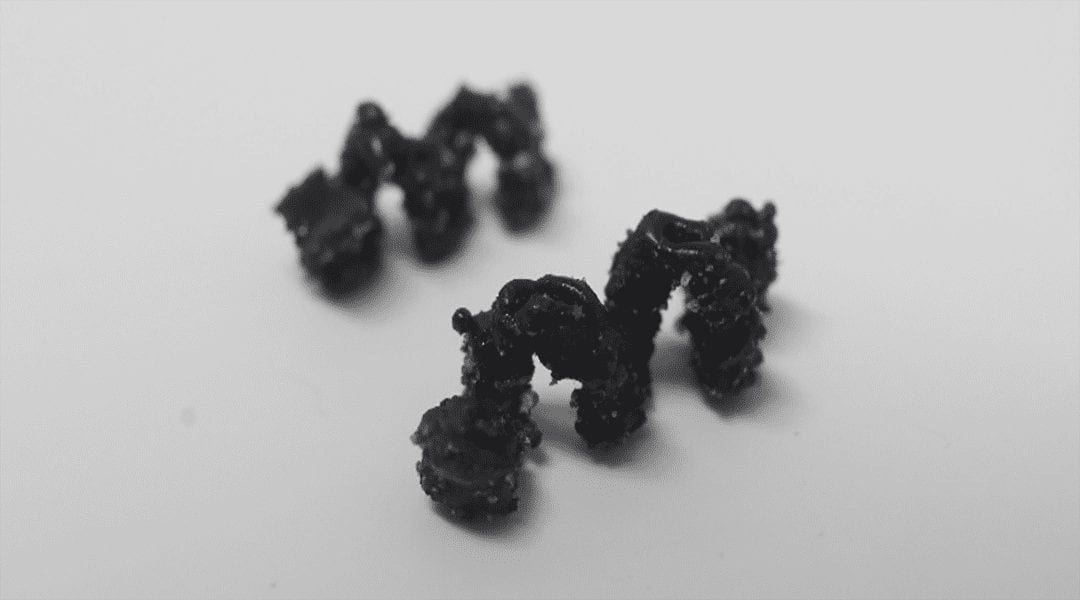
By mixing sugar and magnetic particles, researchers create biodegradable “CANDYBOTS” with potential applications in drug delivery and ingestible devices.

A new blood-derived embolic material with regenerative properties stops bleeding instantly, even in cases of impaired coagulation.
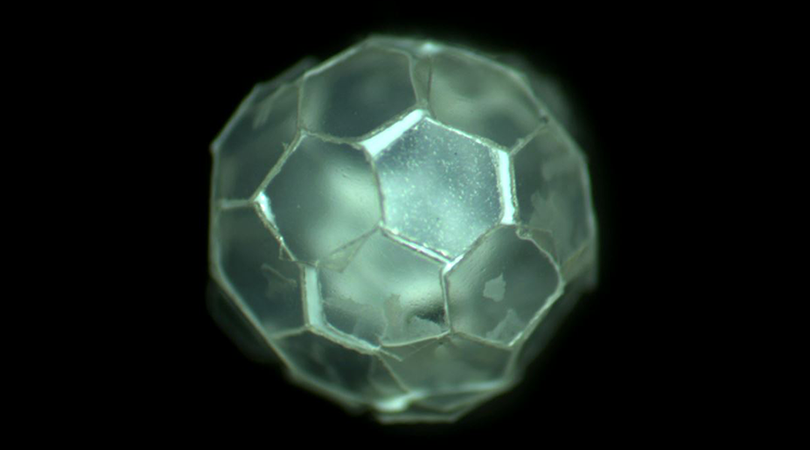
Creating versatile liquid marbles, stabilized with polymeric plates for more durability and broader applications.
Yong Lei talks about his journey into STEM, his passion for research, and the world of patterned nanomaterials.

An active polymer skin that can be be reshaped on-demand takes existing technologies and adapts their functionalities to the needs of a changing environment.

The chemistry of carbon dioxide may not save the human race on Earth, but could enable a new beginning for life on the red planet.
 Micron-sized hidden dimensions could solve two of physics’ deepest puzzles
 Turning Periods into Power: Menstrual Blood a Valuable Resource for Medical Diagnostics
 Surfactants Steer Supraparticle Structure
 Bone loss in obesity traced to gut microbiota
 Edible electronics realize safe, complex monitoring devices
 Fermilab Confirms Muon g-2 Measurements