Some of the thickest Arctic ice broke open in May 2020 with a 3000-square-kilometer crack called a “polynya.”
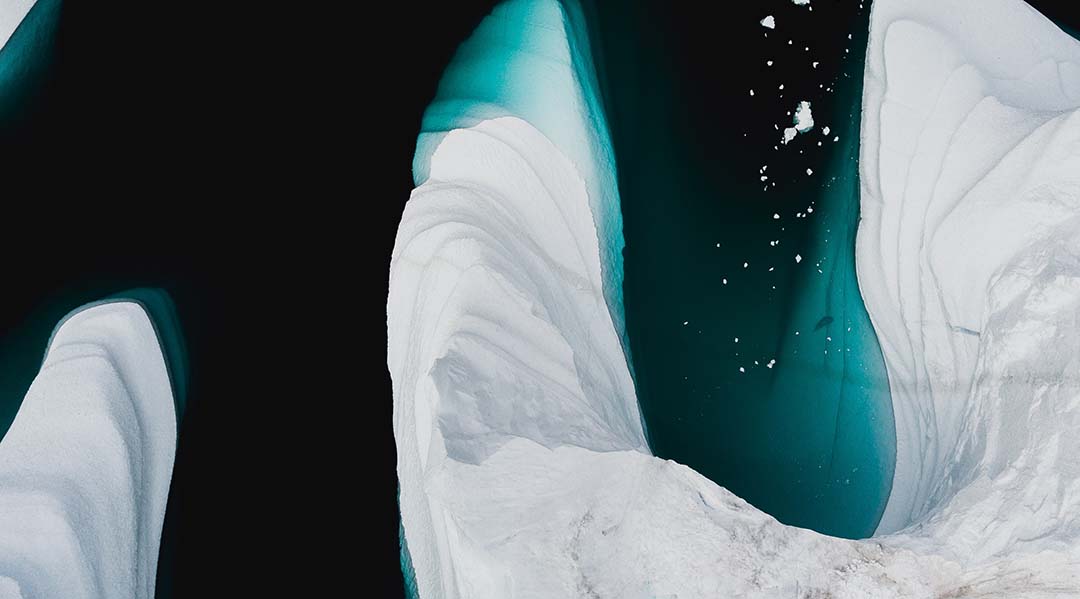

Some of the thickest Arctic ice broke open in May 2020 with a 3000-square-kilometer crack called a “polynya.”
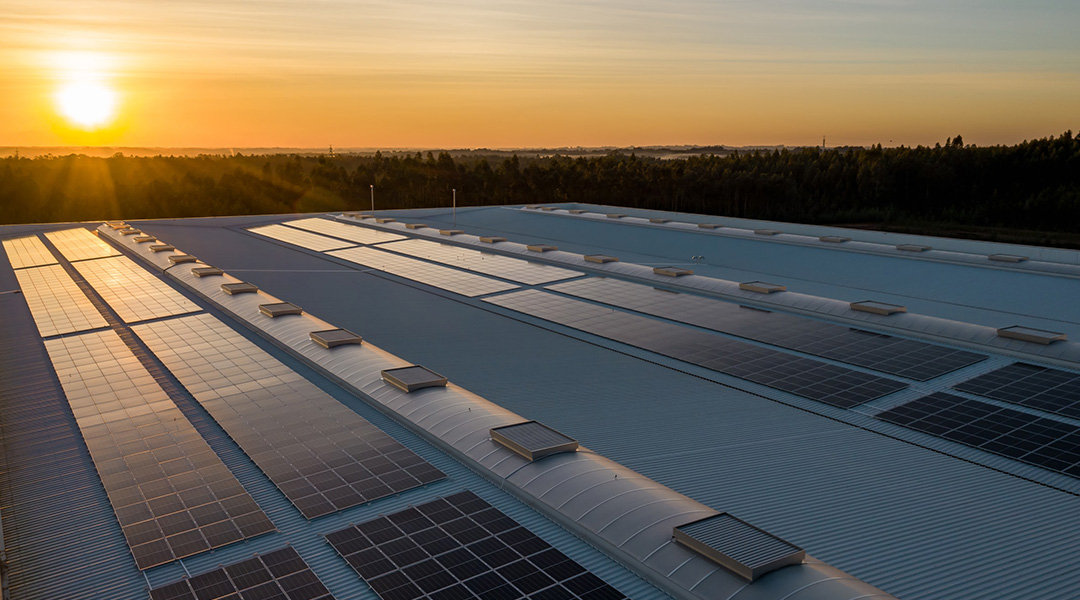
Researchers are investigating ways to increase the efficiency and stability of solar cells, which could improve their commercial use as an alternative energy source.
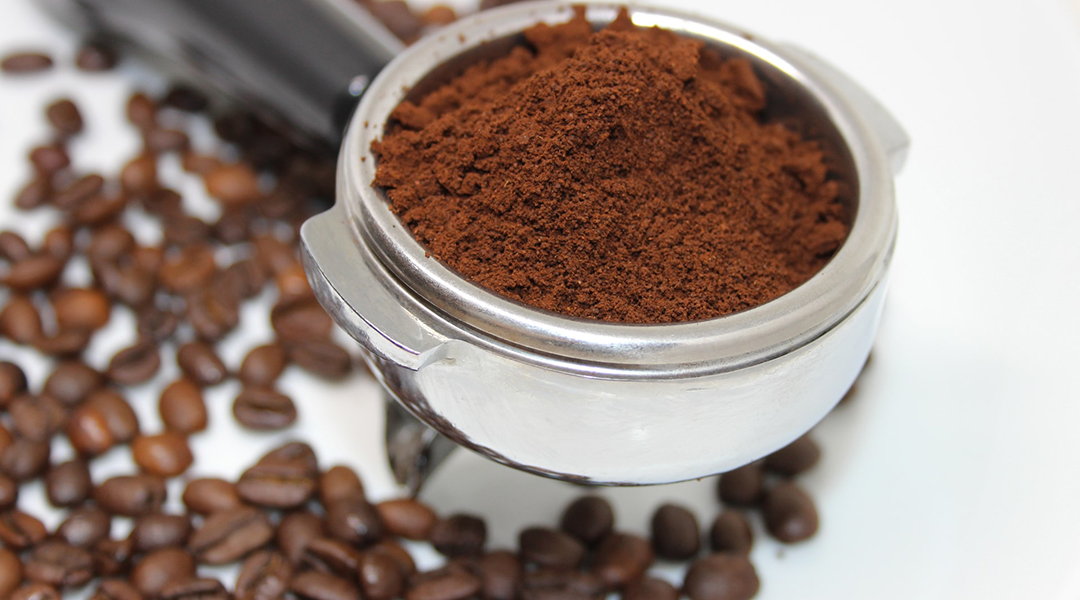
Chemists improve the properties of bio-based resins using spent coffee grounds as a key ingredient.
Specially designed microrobots could help clean plastic waste from water systems.
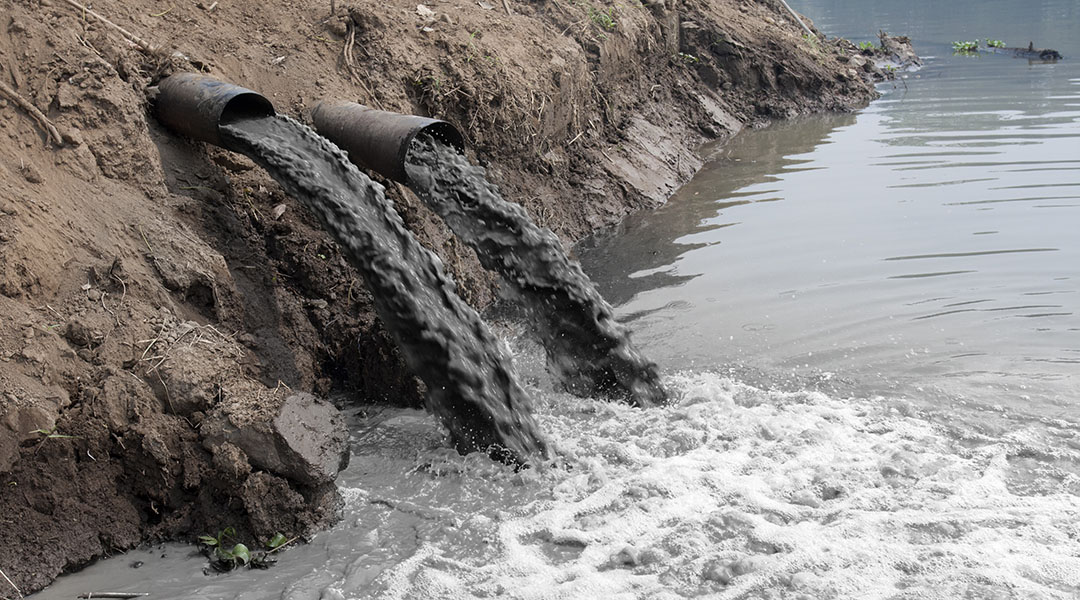
Brownmillerite, found in natural mineral deposits, could help disinfect water in resource-poor regions.

The weathering of the Earth’s surface serves as a geological thermostat and new research says that the breakdown of rocks at volcanic sites could help consume some of the world’s atmospheric carbon.

Advances in sustainable, methanol-based fuels bring us a step closer to carbon neutral shipping.
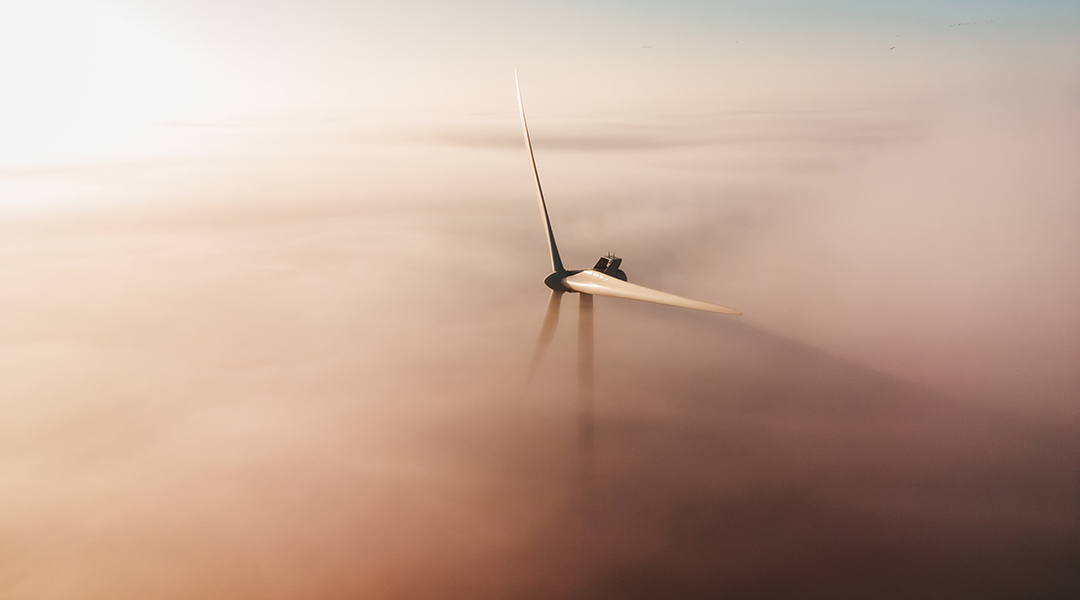
Major world economies are investing more in green technologies, but how optimistic should we be?

Using a new model, experts say that without the global CFC ban we would already be facing the reality of a “scorched earth”.
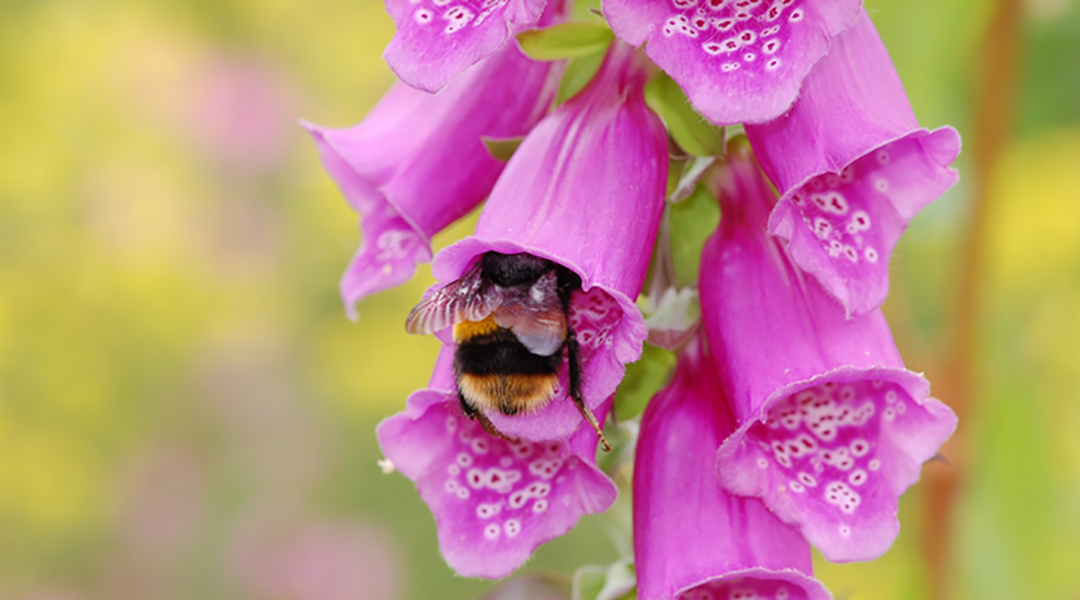
The tool lets researchers, farmers, policymakers, and other interested parties test different land management techniques to find out which ones and where could be most beneficial for bees.

 Micron-sized hidden dimensions could solve two of physics’ deepest puzzles
 Turning Periods into Power: Menstrual Blood a Valuable Resource for Medical Diagnostics
 Surfactants Steer Supraparticle Structure
 Bone loss in obesity traced to gut microbiota
 Edible electronics realize safe, complex monitoring devices
 Fermilab Confirms Muon g-2 Measurements