A new route to synthesize plastics not only moves away from fossil fuels but enhances the likelihood of recycling.
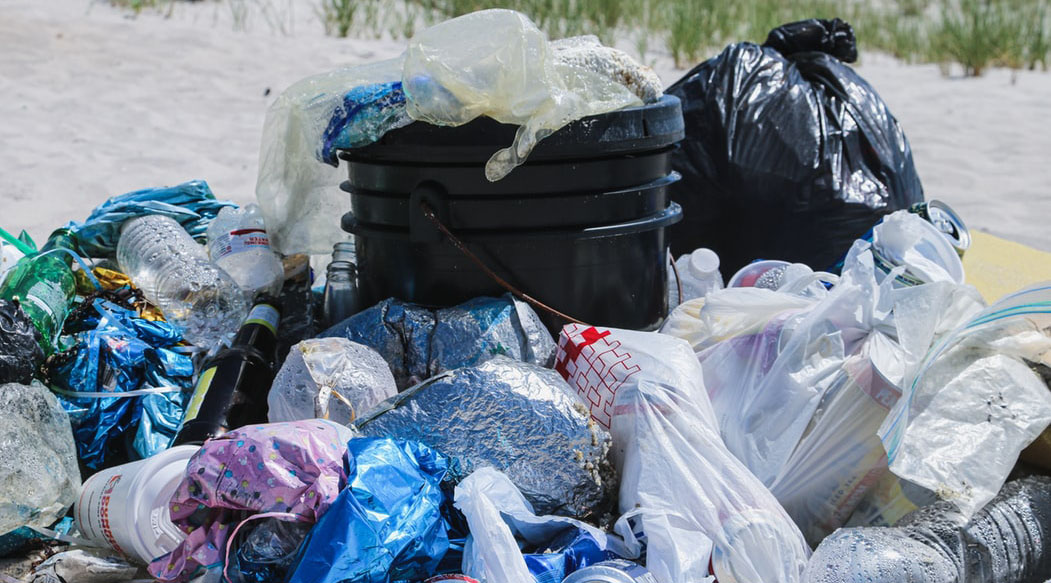


A new route to synthesize plastics not only moves away from fossil fuels but enhances the likelihood of recycling.

A wireless acoustic sensor that can be worn over fur could be especially useful for monitoring the vital stats of working animals such as sniffer dogs.

New evidence suggests that an exoplanet discovered in 2015 has interior conditions that could support the existence of life.

The lifespan of C. elegans, an organism that responds to cellular stress in a similar way to humans, can be extended by activating a mechanism initiated by glial cells in the brain.

AI is growing at a rapid pace and solving complex problems in the process—but what are the risks of such a sophisticated technology?
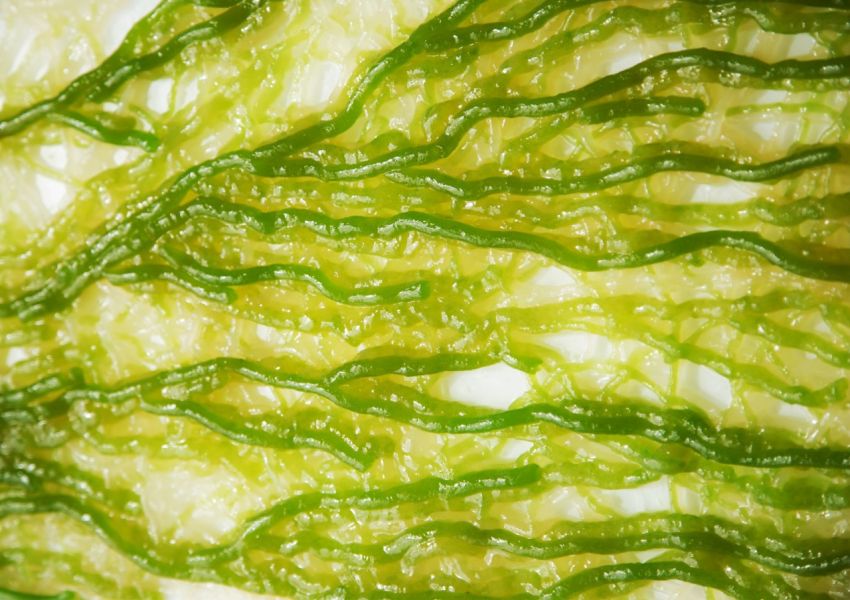
Hydrogels that incorporate whole algal cells offer new possibilities in building architecture and bioremediation.

Statistics suggest that women are at a disadvantage when it comes to publishing in the chemical sciences.

Nitrogen and sulfur present in dye-contaminated wastewater are incorporated into an energy material, simultaneously addressing two important issues.
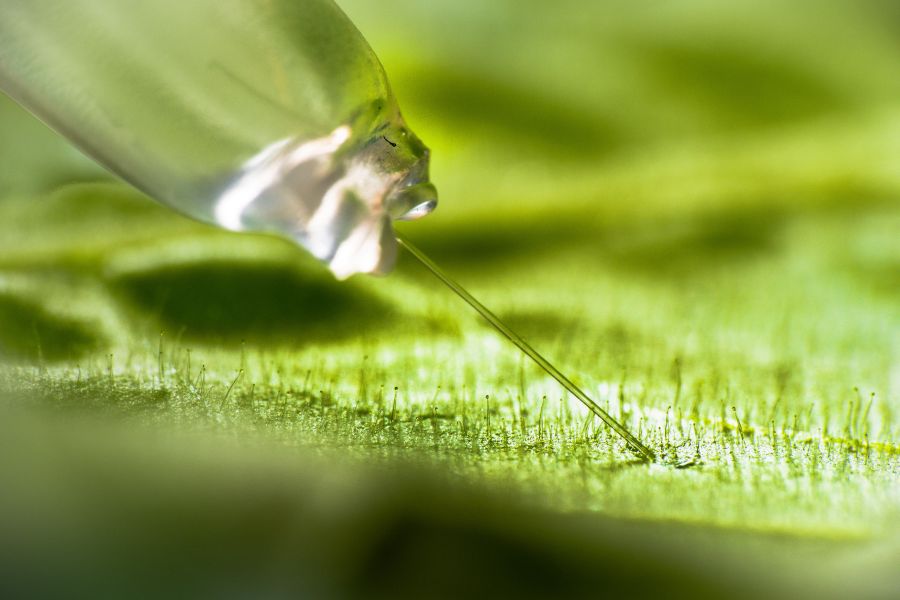
Electronic plants designed to be more resilient to environmental stress could offer major advantages in agriculture.
An artificial neural network based entirely on memristors is developed.