Researchers use ordered templates to impart unprecedented tessellating patterns in composites made from inorganic materials.
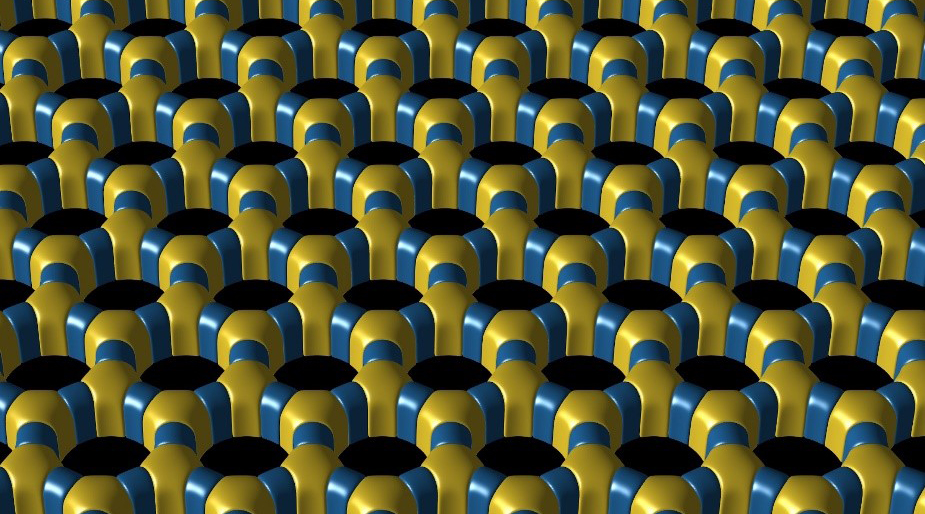


Researchers use ordered templates to impart unprecedented tessellating patterns in composites made from inorganic materials.
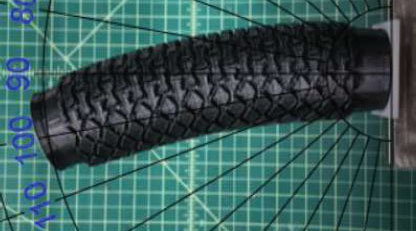
Researchers from UC Berkeley are utilizing deep learning to bypass iterative finite element calculations. Their deep learning model is trained using finite element simulation data to predict the deformation behavior of favorable designs.
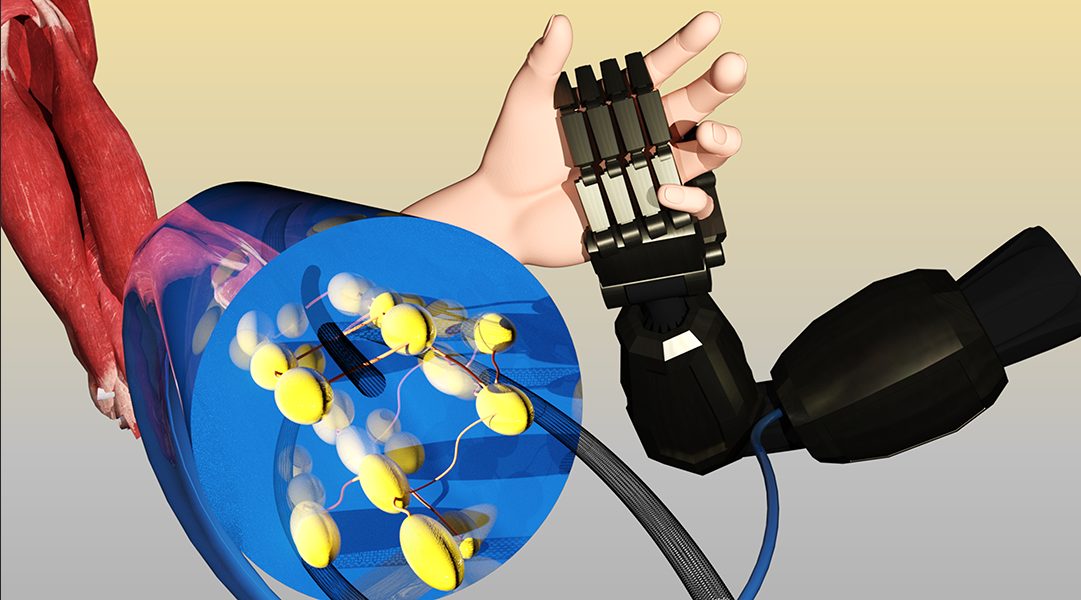
Researchers develop dual-responsive muscle-like soft actuators with both dexterity and high mechanical strength.
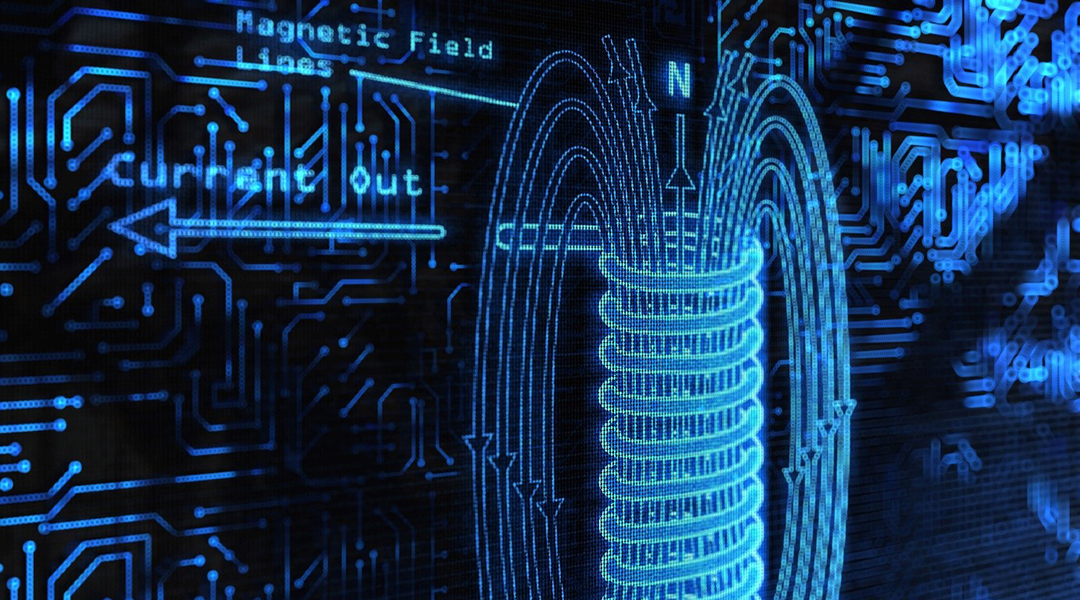
Clarifying some of the misconceptions, limitations, and capabilities of CEM modelling to help researchers find the right tools for their needs.
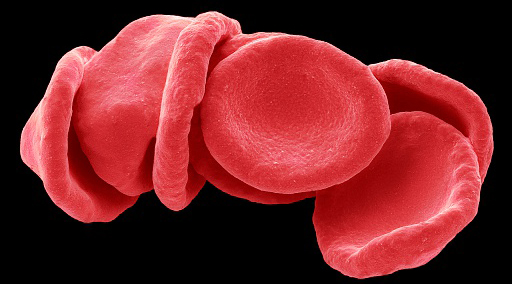
Physicists design super-human red blood cells to deliver drugs to specific targets.

Researchers develop a biomimetic hydrogel with photodynamic antimicrobial effect.

A new approach seeks to use the “intelligence” aspects of AI to understand the physics of photonic nanostructures.

Tiny ‘xenobots’ assembled from cells promise advances from drug delivery to toxic waste clean-up.

Chemists have found a new use for the waste product of nuclear power.
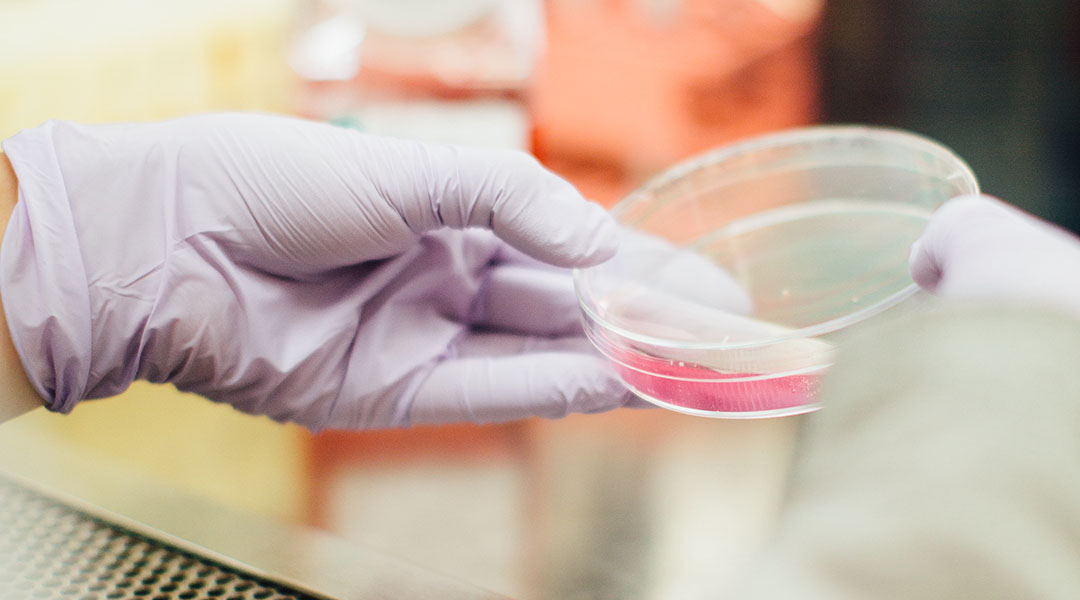
Researchers have successful implanted artificial factories into living cells with the hope of producing molecules for therapeutics.