After decades of experimentation, US scientists achieve ignition in a controlled fusion experiment for the first time.
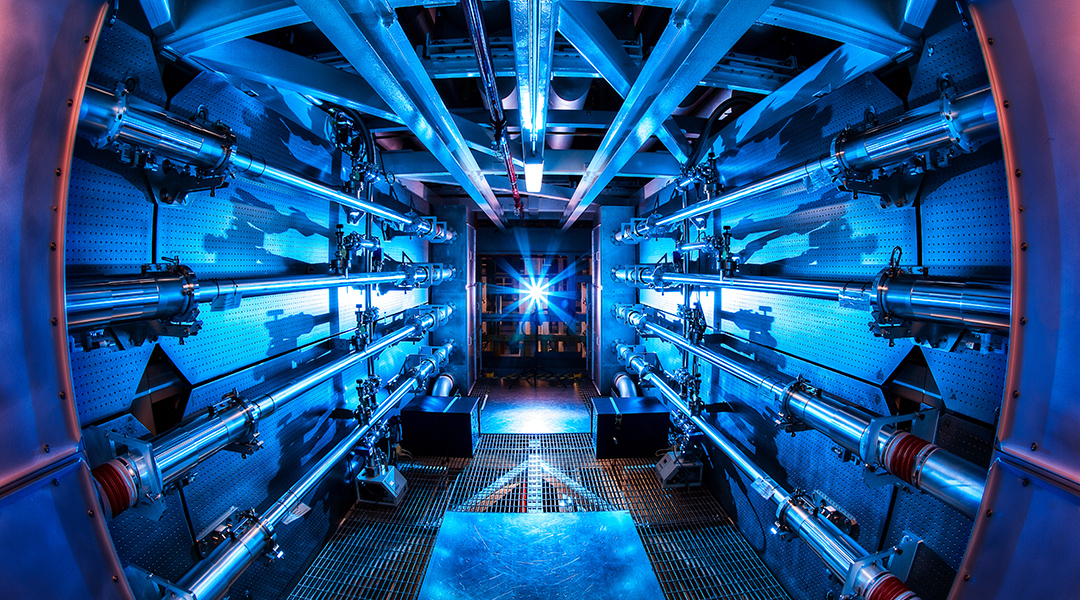

After decades of experimentation, US scientists achieve ignition in a controlled fusion experiment for the first time.
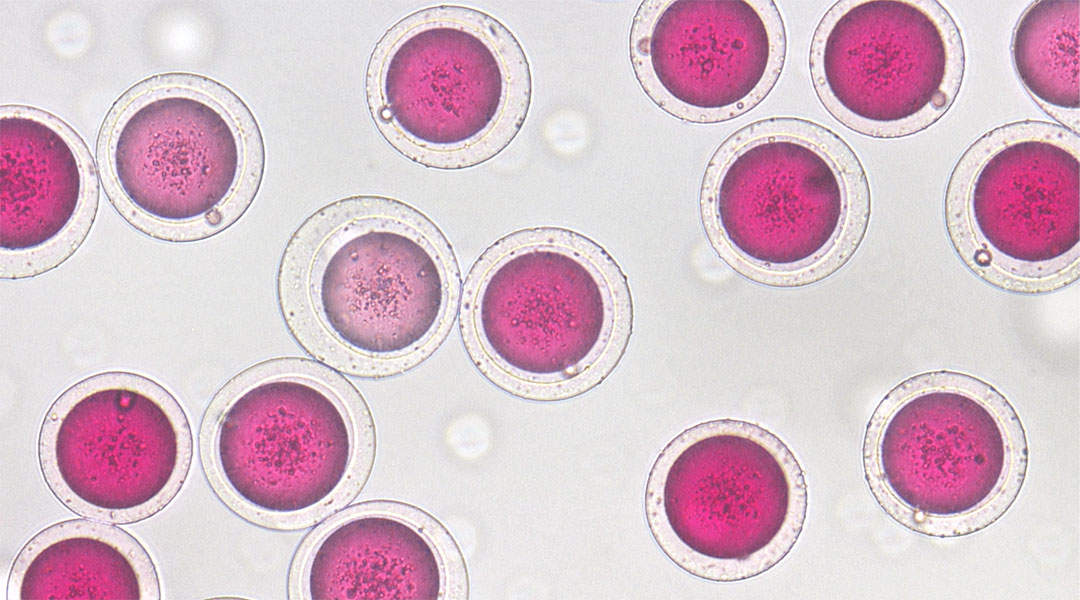
Check out atomic glimpses of graphene ribbons, double bubble microspheres, and a solar evaporator made from bone.
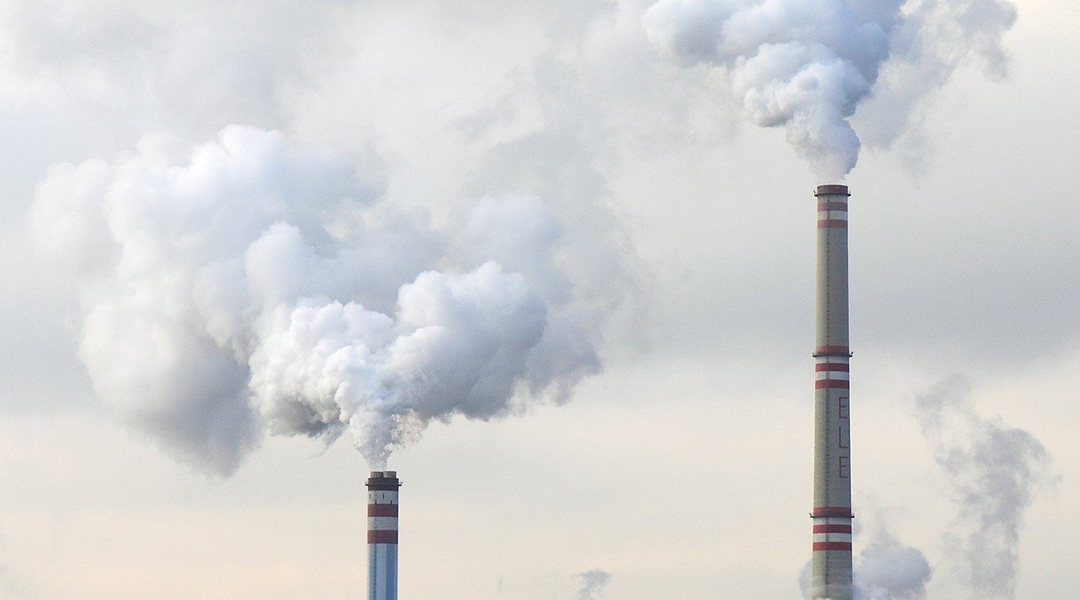
Molten salts are renowned for operating at high temperatures and are ideal as a new generation of carbon capture media.
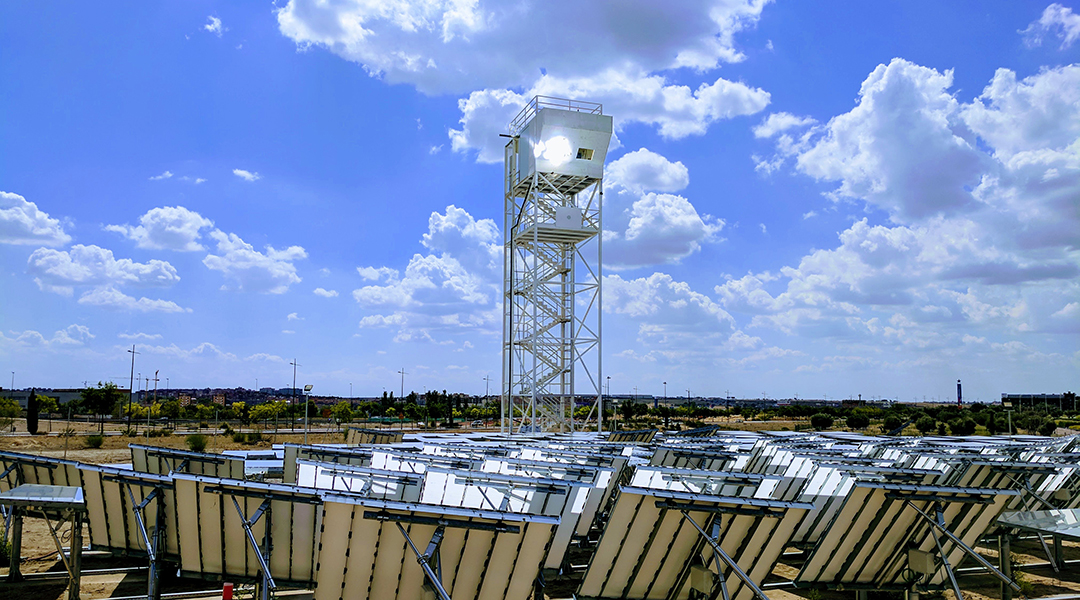
The production of kerosene directly from carbon dioxide and water promises to be a game-changer in the energy field.
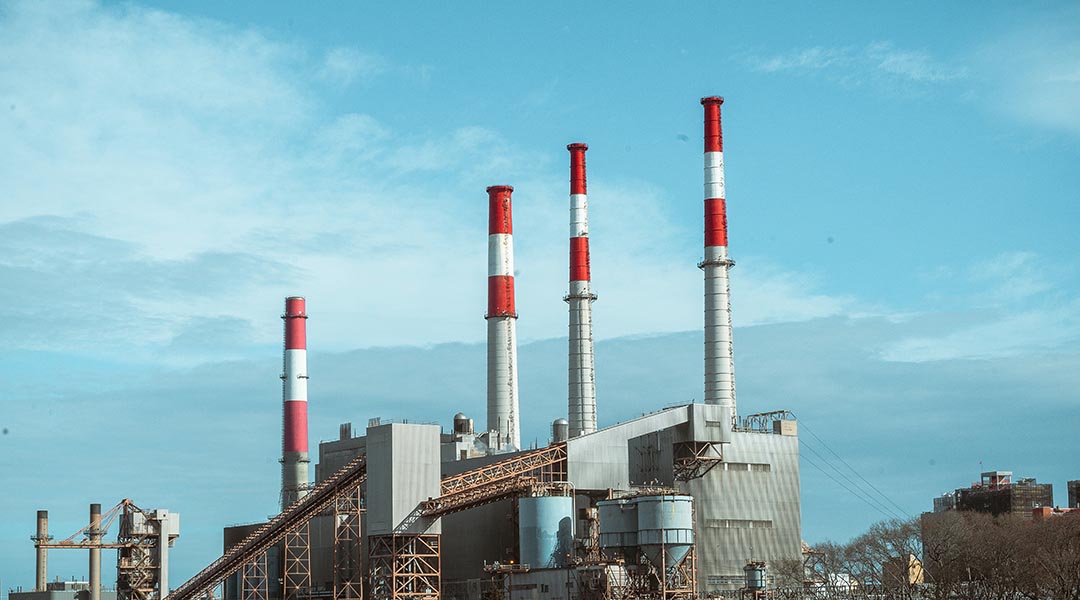
Decarbonizing the chemical industry is possible, provided decreases in the cost of solar energy and increases in LED efficiency continue.

We need a means of reducing carbon emissions and tackling the climate crisis, but is painting nuclear energy and natural gas as “sustainable” the way forward?

Astrophysicist and retired NASA astronaut Steven Hawley takes us through his fascinating career.
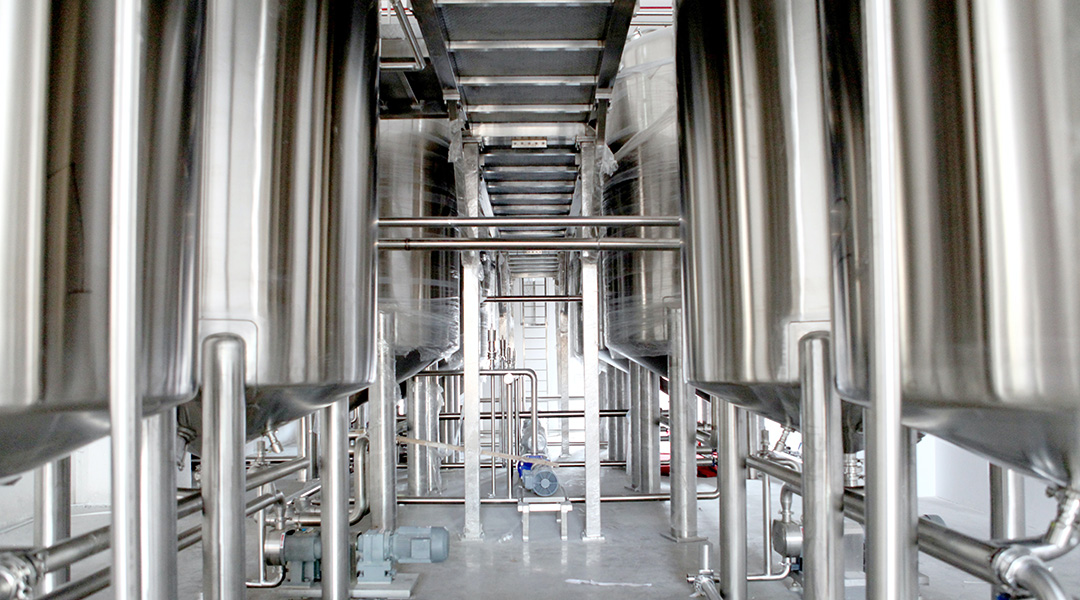
A new chemical looping approach helps optimize the Ostwald reaction, making the production of nitric acid a little “greener”.
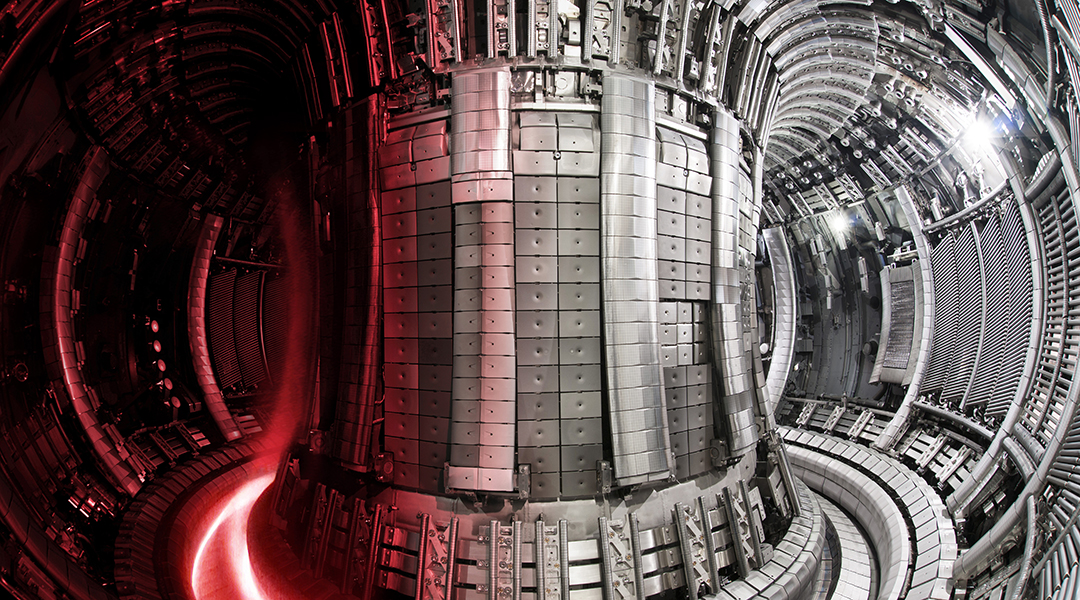
In a major breakthrough, scientists have demonstrated sustained nuclear fusion energy, providing hope for future large-scale projects.
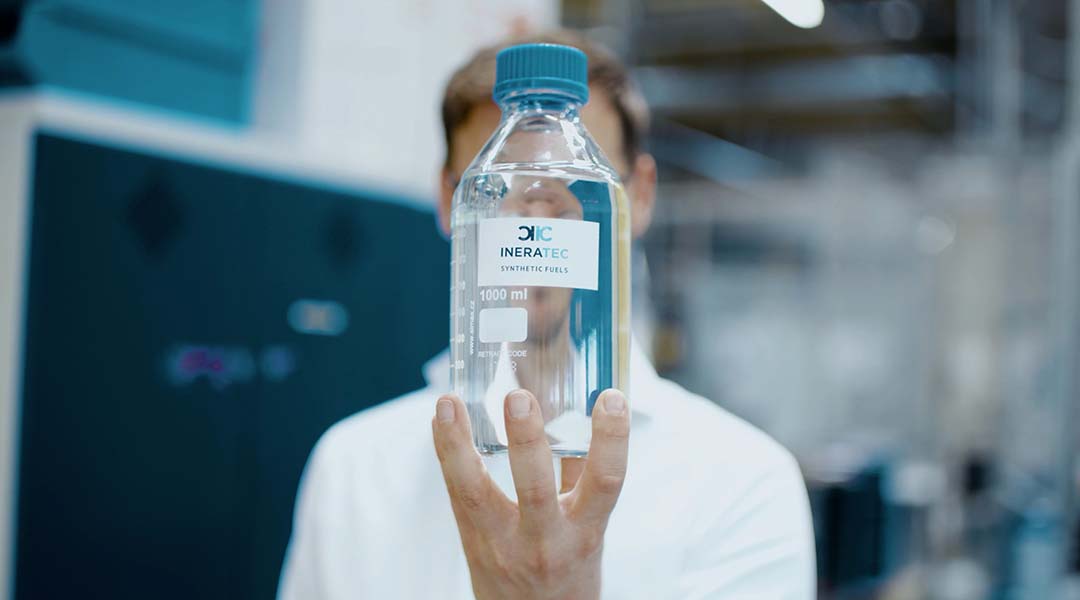
A German start-up has developed a method to convert captured carbon and hydrogen into a range of sustainable fuels.
 New theory suggests gravity is not a fundamental force
 Higgs boson may be driving the Universe’s expansion
 Water-powered gadgets may be on the horizon thanks to new evaporation-based energy device
 Scientists discover a new class of antibiotics
 Micron-sized hidden dimensions could solve two of physics’ deepest puzzles
 A new type of dark matter could explain mysterious radiation from the Milky Way’s core