It is generally accepted that a community of beneficial bacteria make up the lung microbiome, but their origin and formation have remained unclear — until now.
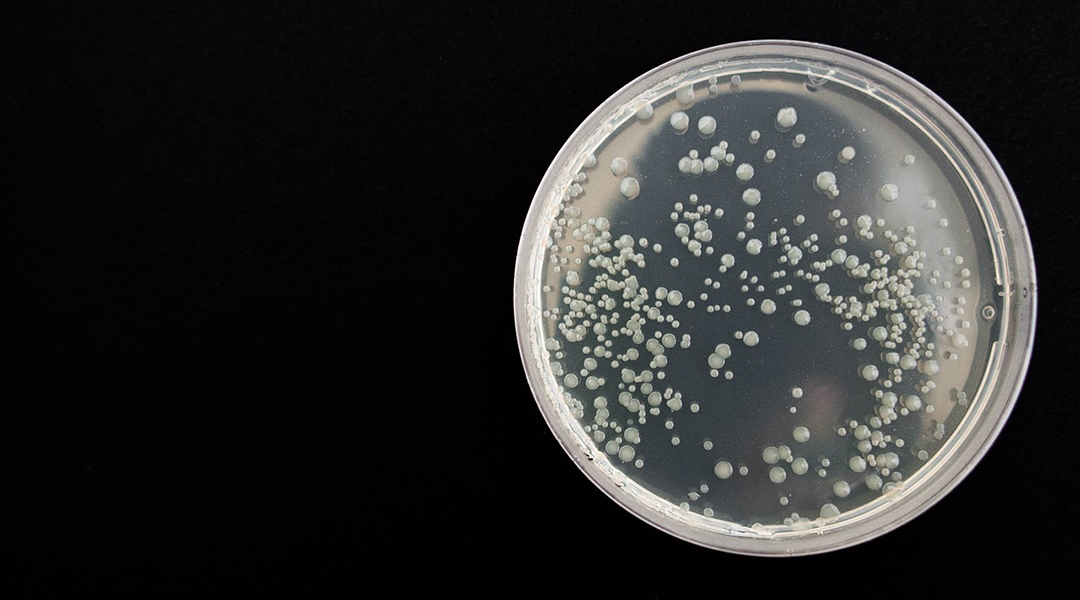

It is generally accepted that a community of beneficial bacteria make up the lung microbiome, but their origin and formation have remained unclear — until now.
New research finds that more genetic features appear to be linked to sudden unexplained deaths in infants and toddlers.
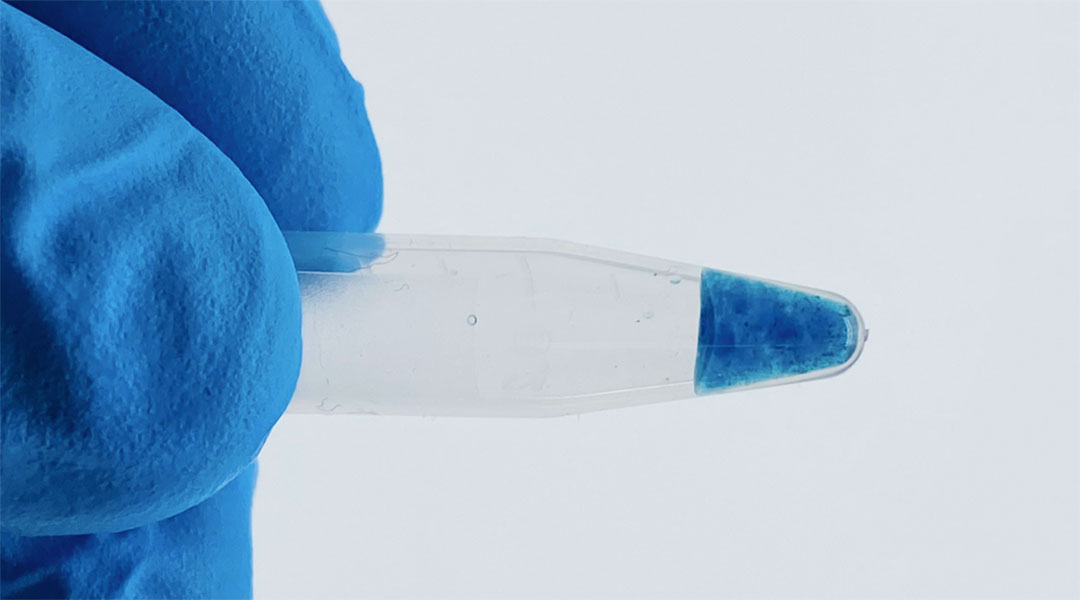
A new hydrogel platform helps monitor chemotherapies in the body in real-time, allowing their side effects and potency to be better understood.
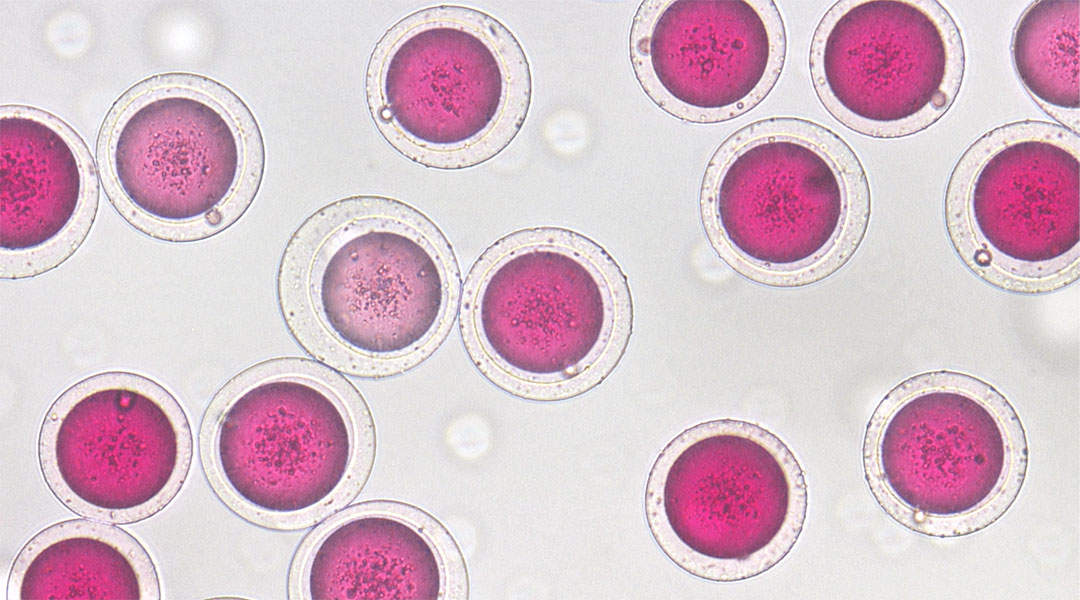
Check out atomic glimpses of graphene ribbons, double bubble microspheres, and a solar evaporator made from bone.
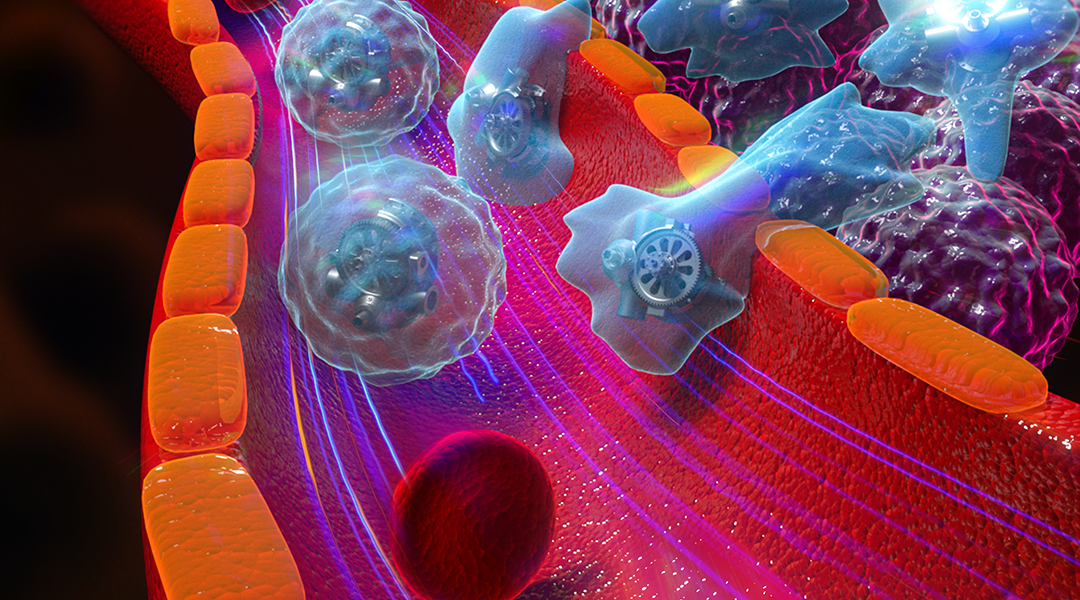
Swimming cellbots capable of autonomous motion and drug encapsulation can deliver their payload at desired sites.
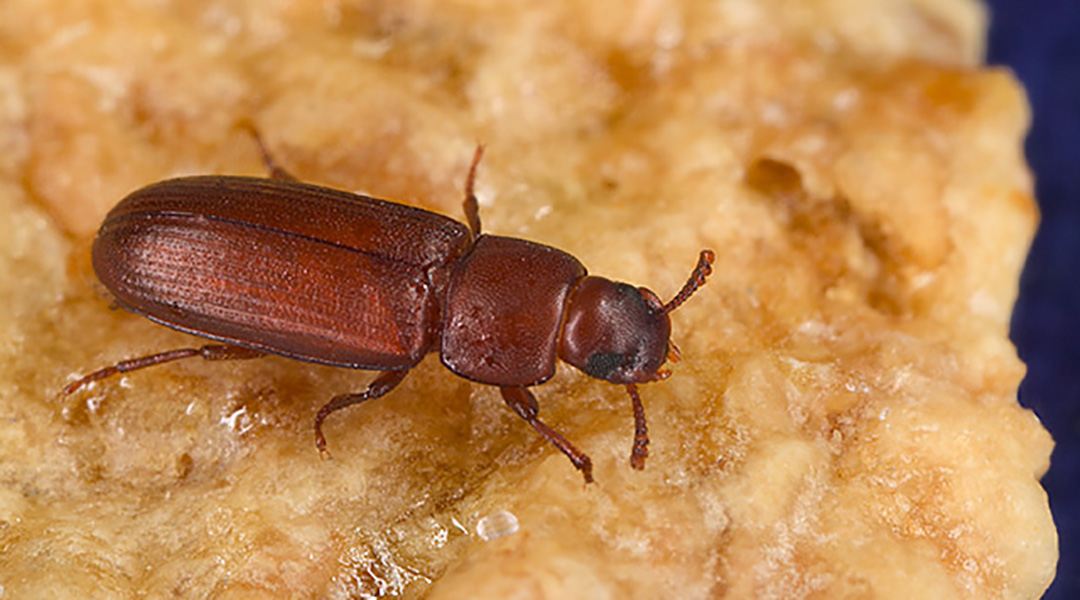
Understanding the mechanisms by which genes can be “turned off” could be a powerful means of pest control.
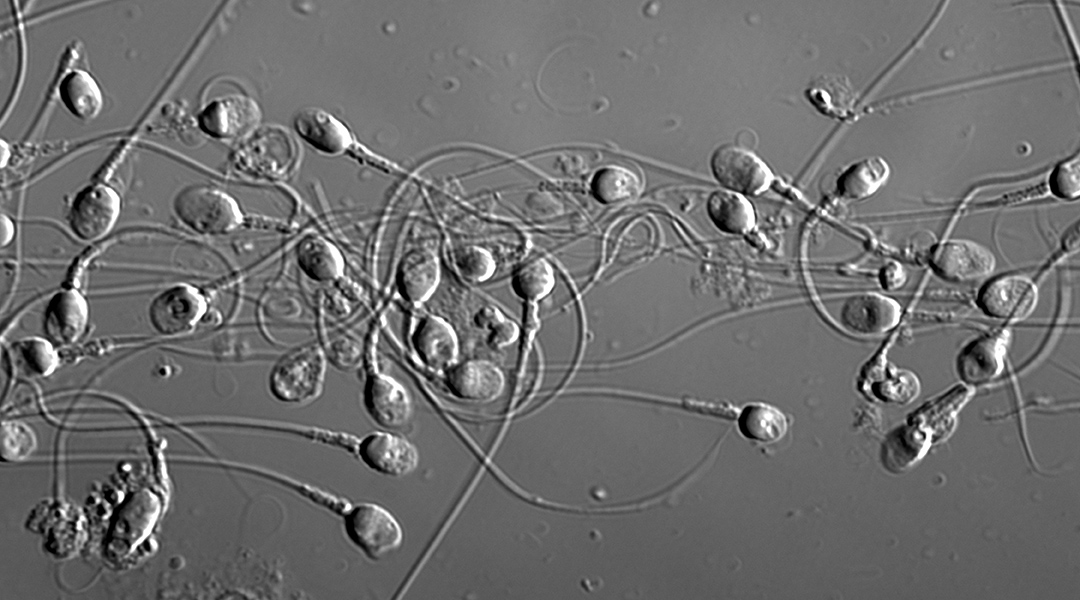
To help improve the success rates of fertility treatments, scientists are turning to AI to help standardize the sperm selection process.
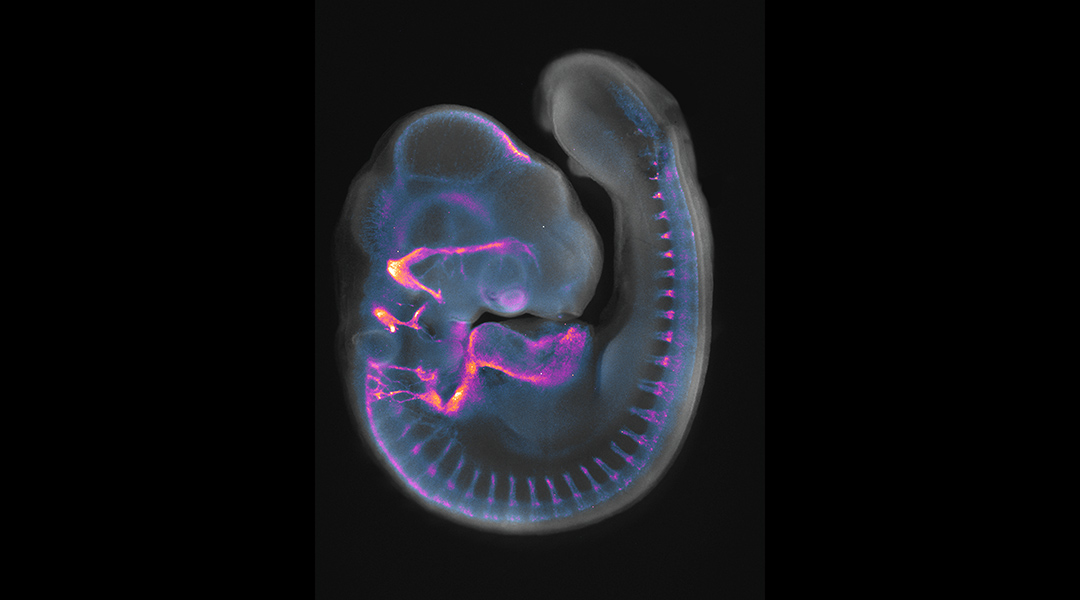
It turns out that a single factor is responsible for ear cell development, which could one day be used to treat disease and malformations.

Biologist Gautam Dey is deciphering the evolution of the cell nucleus to answer fundamental questions in biology.
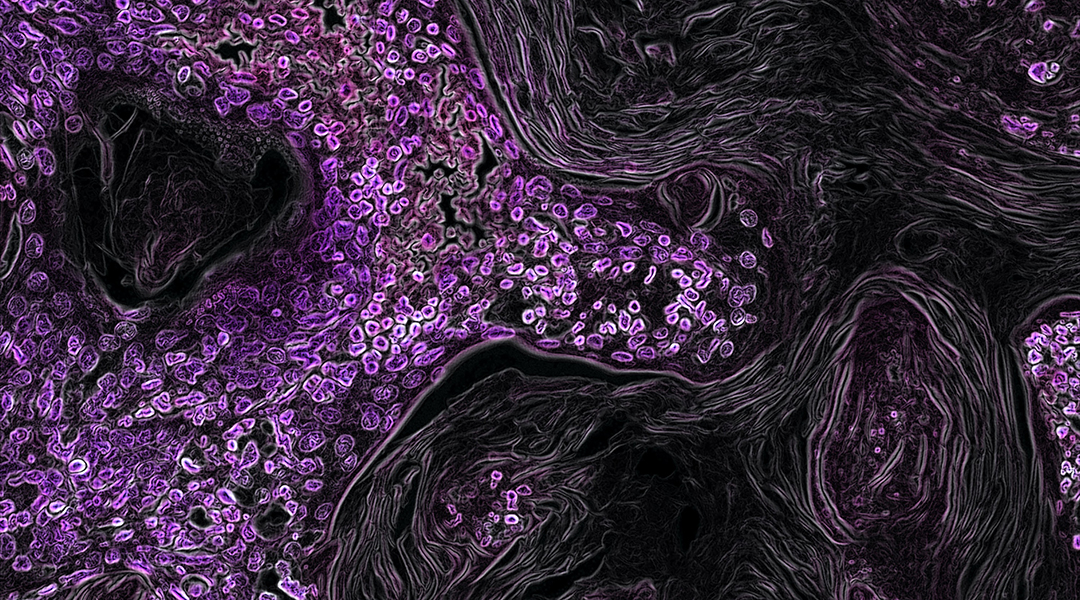
A new in situ, personalized cancer vaccine captures molecules from growing tumors to activate the body’s immune cells against them.
 New theory suggests gravity is not a fundamental force
 Higgs boson may be driving the Universe’s expansion
 Water-powered gadgets may be on the horizon thanks to new evaporation-based energy device
 Scientists discover a new class of antibiotics
 Micron-sized hidden dimensions could solve two of physics’ deepest puzzles
 A new type of dark matter could explain mysterious radiation from the Milky Way’s core