Solar researchers have investigated whether it is economically viable for a solar thermal power plant to convert excess photovoltaic and wind power into heat and store it.


Solar researchers have investigated whether it is economically viable for a solar thermal power plant to convert excess photovoltaic and wind power into heat and store it.

Computational materials design is shown to be essential for the discovery of new and novel materials of the future.
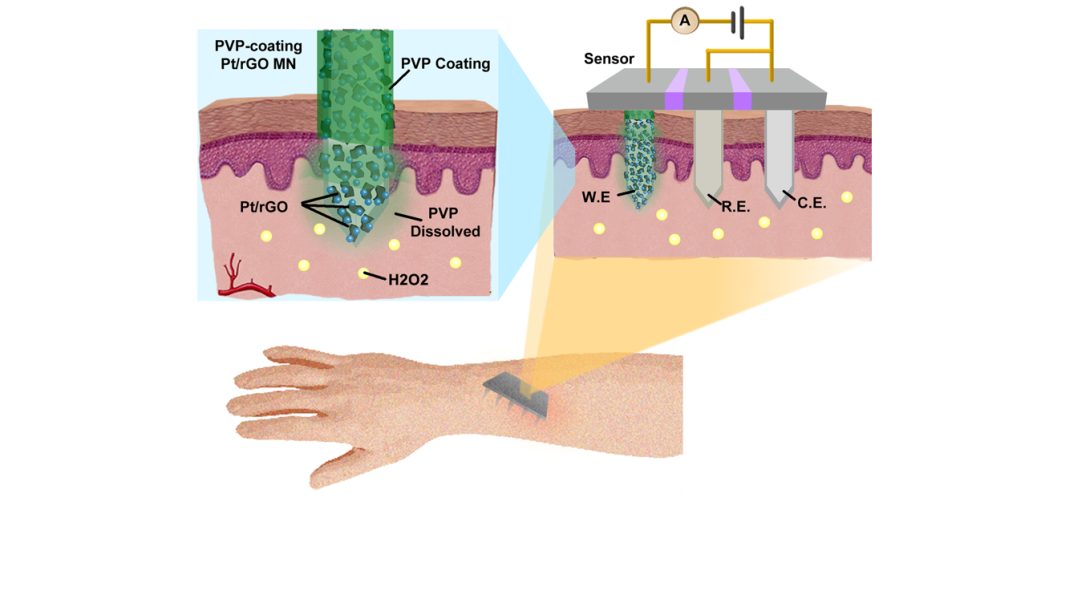
A real-time, in vivo, and minimally-invasive transdermal biosensing system for hydrogen peroxide monitoring is developed.

Scientists demonstrate the feasibility of chirality-encoded logic architectures.
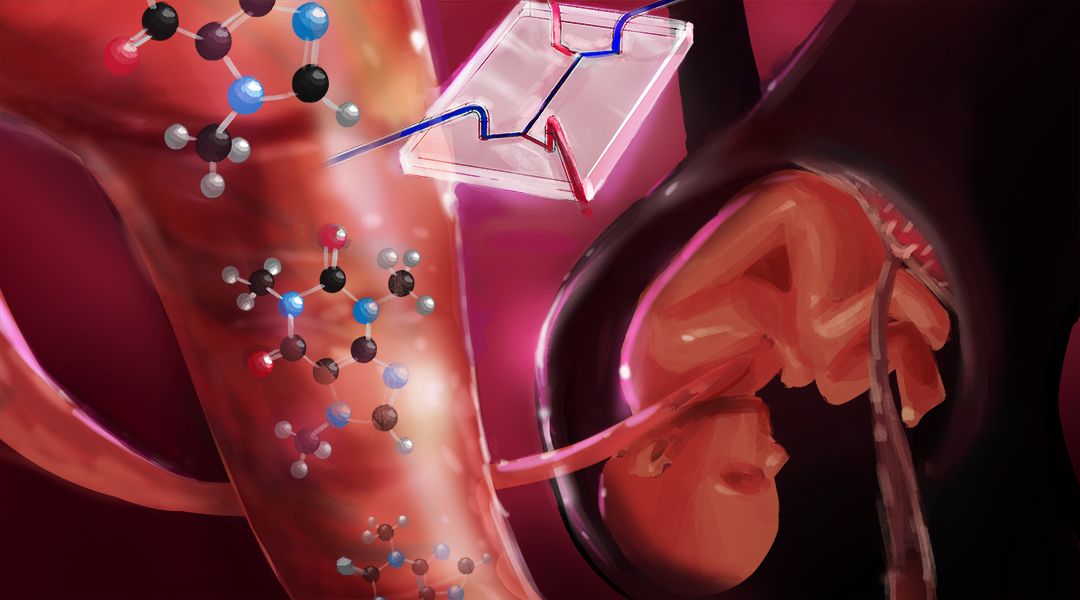
Organ-on-a-chip technology allows for the study of caffeine transport across the placenta to the fetus during pregnancy.

Alessia Battigelli reviews organic materials formed by the self-assembly of peptoids in Biopolymers

A team of Canadian researchers has shown that direct contact between an AP “cold” oxidizing plasma source and water that contains very high concentrations of cyanobacteria and green algae, along with associated BMAA toxin, could be quite rapidly (in minutes) decontaminated with modest energy input.

For the first time, a research group successfully uses egg shells as an electrode for energy storage.
![Optimizing Electrodes for Solid Oxide Fuel Cells [Video]](https://www.advancedsciencenews.com/wp-content/uploads/2019/03/aennm201800120_ASN_image.jpg)
Low-cost strategies to tailor the microstructure of solid oxide fuel cell electrodes are discussed, providing a fast and efficient way to evaluate new electrode materials.

Yadong Yin on stimuli-responsive materials, the importance of science communication and future research plans.
 New theory suggests gravity is not a fundamental force
 Higgs boson may be driving the Universe’s expansion
 Water-powered gadgets may be on the horizon thanks to new evaporation-based energy device
 Scientists discover a new class of antibiotics
 Micron-sized hidden dimensions could solve two of physics’ deepest puzzles
 A new type of dark matter could explain mysterious radiation from the Milky Way’s core