Researchers from the Australian National Fabrication Facility, Monash University, and the University of Melbourne describe the straightforward preparation of black gold, a material of promising optical properties.
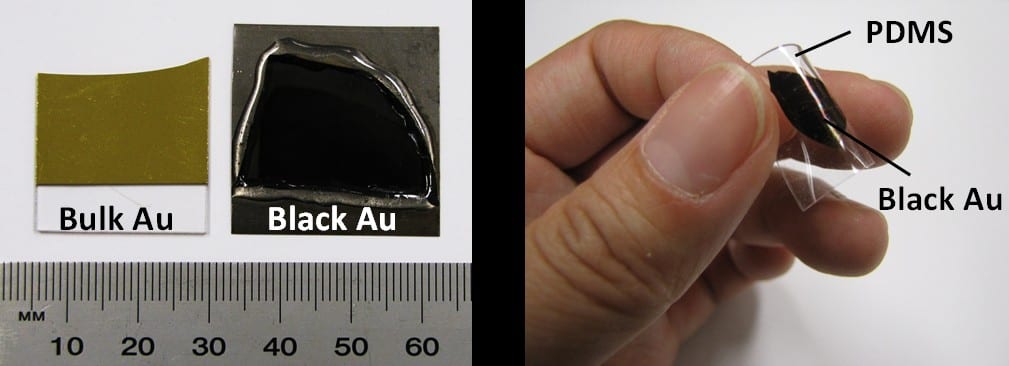

Researchers from the Australian National Fabrication Facility, Monash University, and the University of Melbourne describe the straightforward preparation of black gold, a material of promising optical properties.
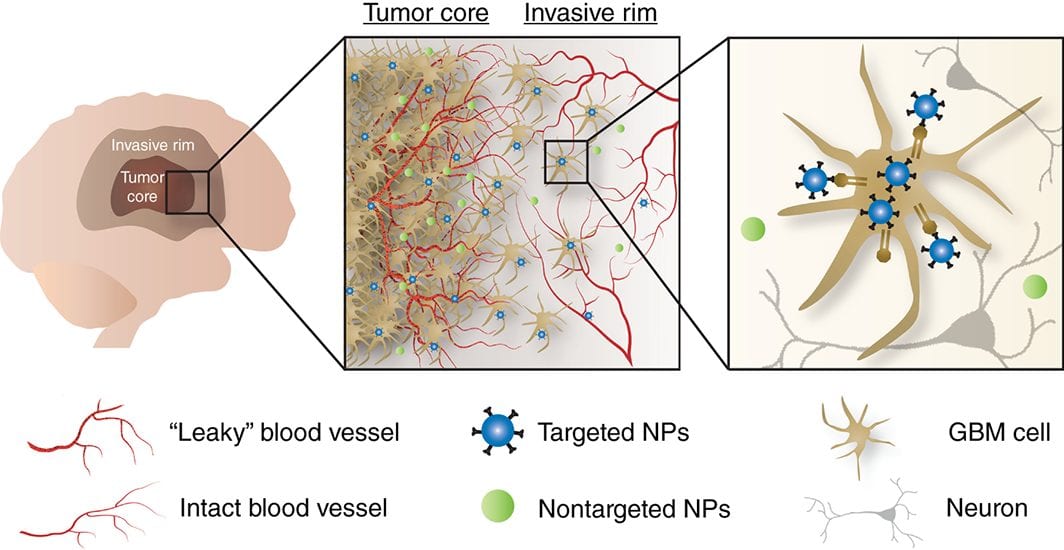
In an effort to overcome barriers to the treatment of glioblastoma (GBM), targeted nanotherapeutics have emerged as promising drug delivery systems with the potential to improve pharmacokinetic profiles and therapeutic efficacy.
Protein Science has recently published a Special Issue on Cryo-Electron Microscopy (Cryo-EM) guest edited by Georgios Skiniotis at the University of Michigan Medical School Department of Biological Chemistry.
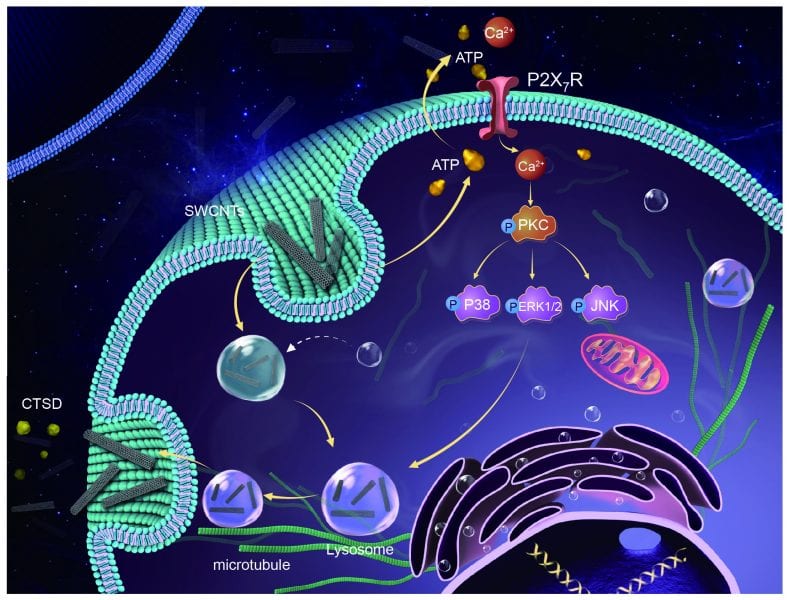
To design nanoproducts with improved therapeutic efficiency and controlled toxicity, we need to understand the mechanisms of cellular uptake and exocytosis of nanoparticles.
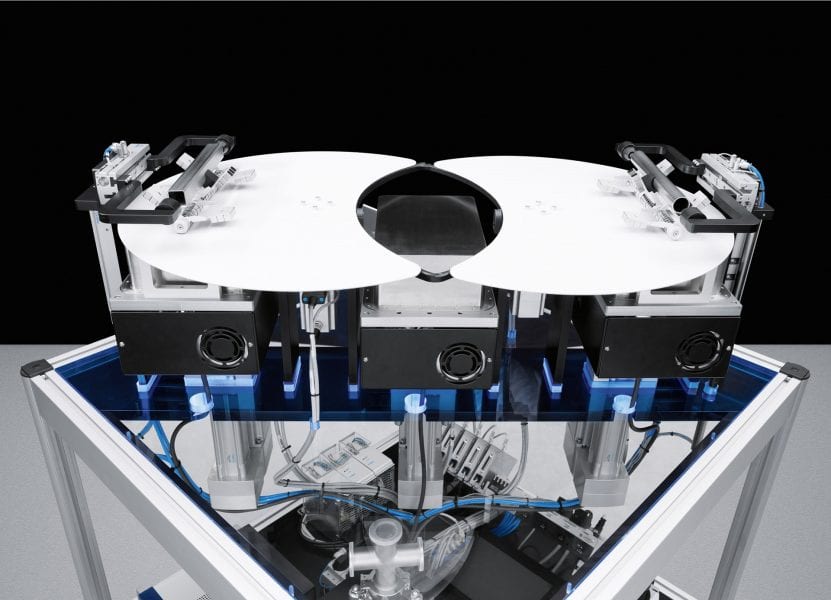
Festo presents two innovative application concepts for superconductor technology.
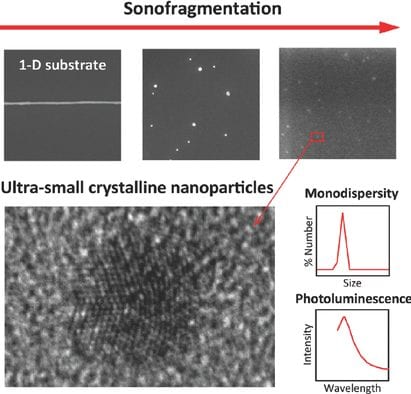
Researchers from the Massachusetts Institute of Technology, USA have introduced a simple strategy for making nanoparticles by the sonofragmentation of high‐aspect‐ratio 1D substrates.
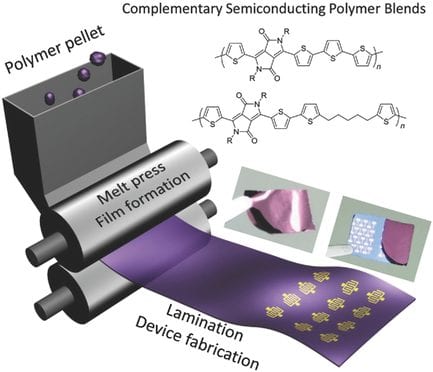
A collaborative team of researchers at Purdue University and the University of California Santa Cruz have reported a strategy that overcomes the issue of solvent by employing a melt-processing technique.
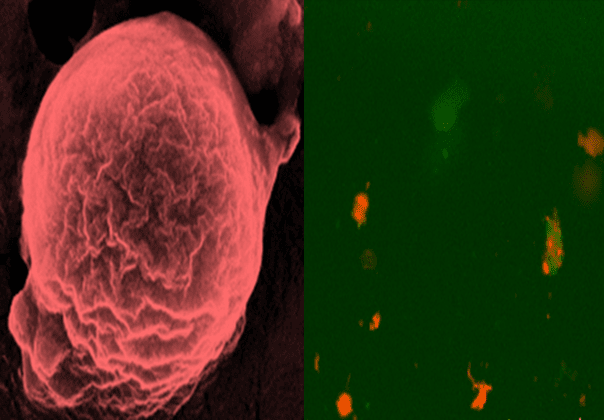
Researchers from Finland and the USA, have developed two multistage nanovaccines constructed of two biomaterials and either a biological cancer cell membrane (CCM) or a model antigen

Magnetic bacteria devices can manipulate light similar to liquid crystals in display and spatial light modulator technology.
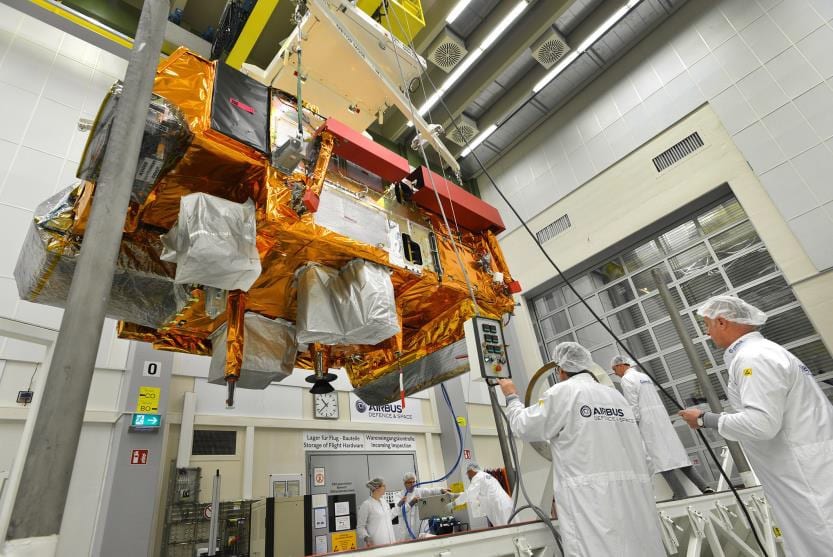
The third MetOp weather satellite is being put to the test.
 New theory suggests gravity is not a fundamental force
 Higgs boson may be driving the Universe’s expansion
 Water-powered gadgets may be on the horizon thanks to new evaporation-based energy device
 Scientists discover a new class of antibiotics
 Micron-sized hidden dimensions could solve two of physics’ deepest puzzles
 A new type of dark matter could explain mysterious radiation from the Milky Way’s core