A new approach with the potential to overcome efficiency loss of solar cells.
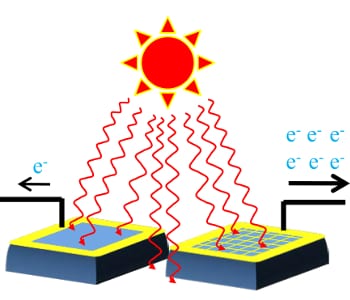

A new approach with the potential to overcome efficiency loss of solar cells.
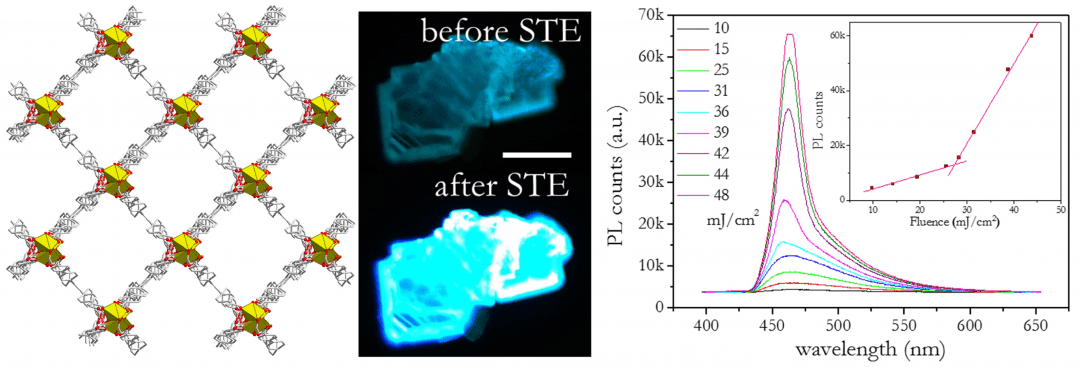
An international team suggest that coordination network materials, in particular MOFs, will be a useful platform for low-threshold lasers for diverse applications.
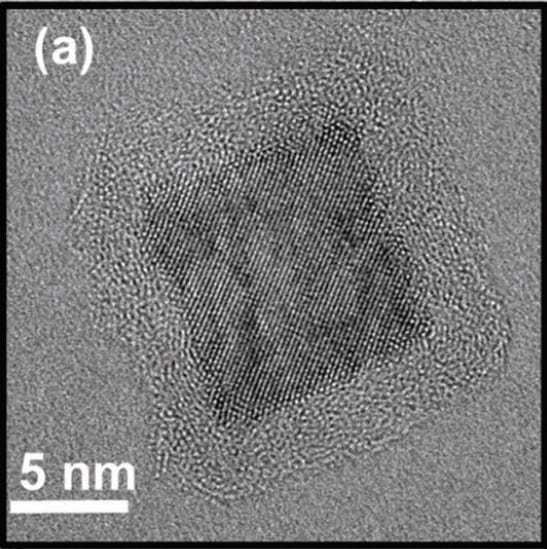
The recognition that scaling down would be the key to the future of technology led to research into simpler, greener techniques to synthesise nanomaterial building blocks. It’s not enough that the materials can be created: synthesis techniques need to be precise and...

A 16S rRNA targeting oligonucleotide probe to improve target organism specificity and lowers costs for detection of low-level E. coli/Shigella contamination.
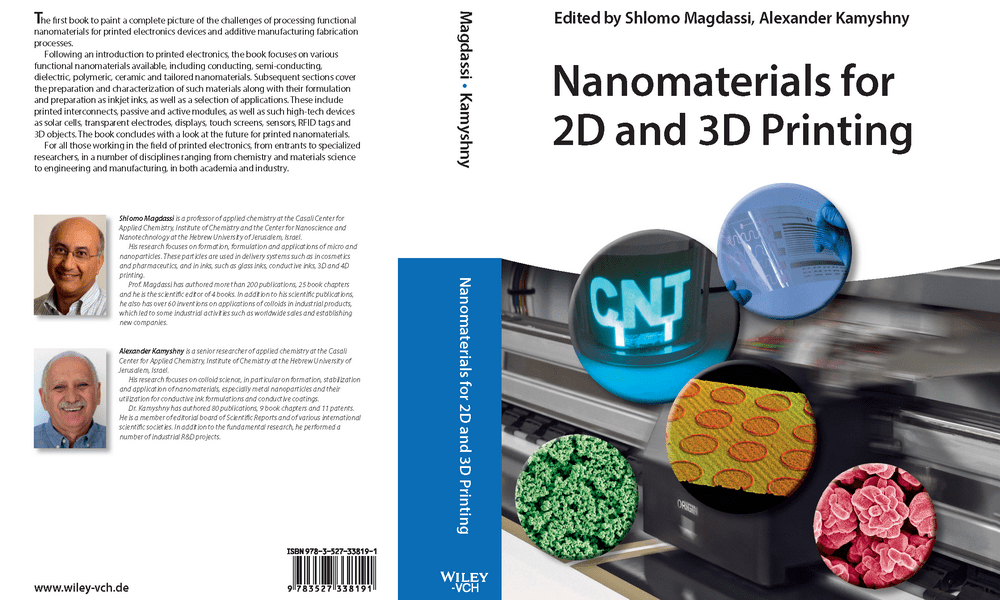
Formation, formulation and applications of micro- and nanoparticles for 2D and 3D printing.

Co3O4 is emerging as favorable candidate for application in pseudocapacitors due to its low cost, super-high theoretical capacitance (3560 F/g), and great reversibility. Now, even more with substantially enhanced specific capacitance and cycling stability achieved by surface modification.
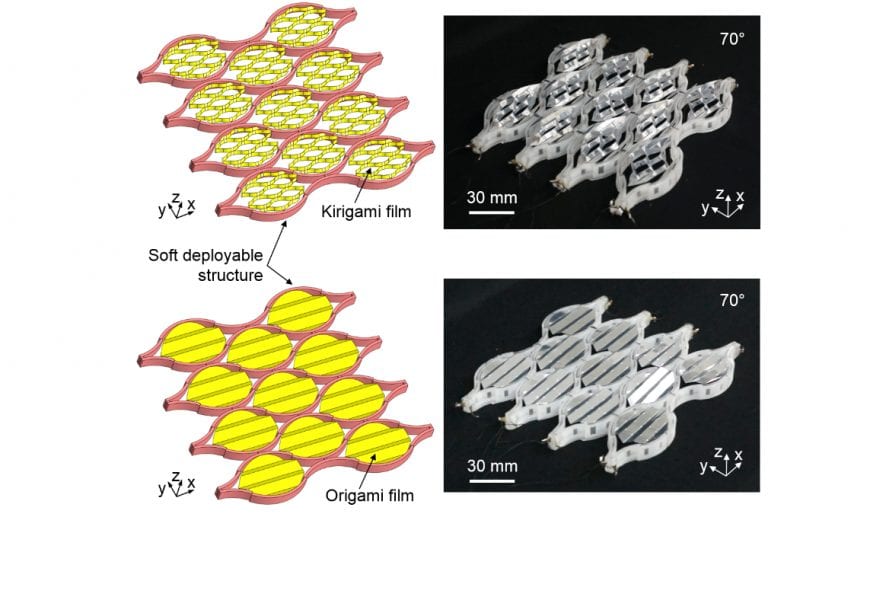
Redirecting incident light towards a specific direction is a basic feat of engineering useful for large applications, such as redirecting sunlight onto solar panels or to provide greater illumination in a household, and for smaller applications, such as in optical...

A facile one-pot solvothermal method that allows selective synthesis of pure graphene oxide (GO) and pure GO quantum dots.

Temperature responsive fibers from shape memory polymers are assembled into bioactive mats or scaffolds.
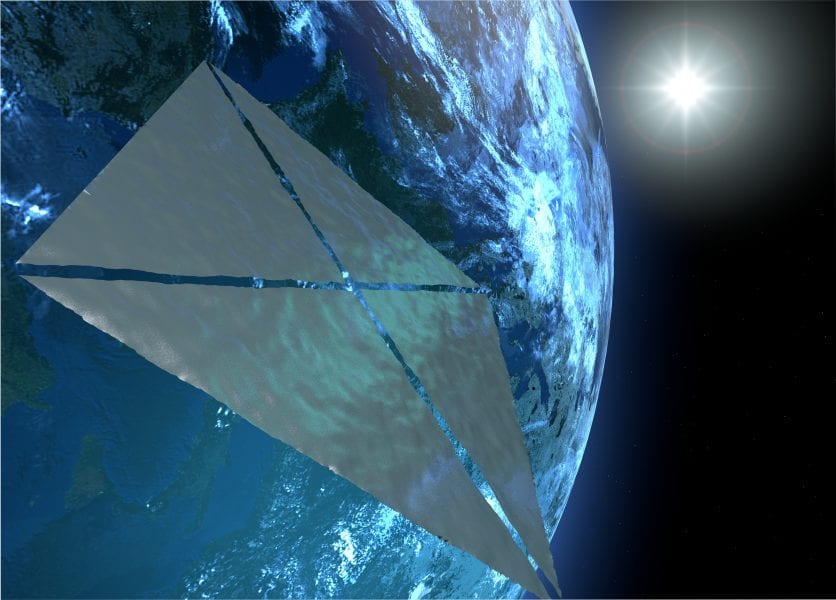
A solar sail device is developed that can be steered by electronically altering its transparency near the edges while requiring only a low amount of power.
 New theory suggests gravity is not a fundamental force
 Higgs boson may be driving the Universe’s expansion
 Water-powered gadgets may be on the horizon thanks to new evaporation-based energy device
 Scientists discover a new class of antibiotics
 Micron-sized hidden dimensions could solve two of physics’ deepest puzzles
 A new type of dark matter could explain mysterious radiation from the Milky Way’s core