Ingestion of engineered nanomaterials is inevitable due to their addition to food and prevalence in food packaging and domestic products such as toothpaste and sunscreen.


Ingestion of engineered nanomaterials is inevitable due to their addition to food and prevalence in food packaging and domestic products such as toothpaste and sunscreen.

CT imaging enables real-time, non-invasive tracking of therapeutic cells labeled with gold nanoparticles. (Image credit: Africa Studio/Shutterstock)
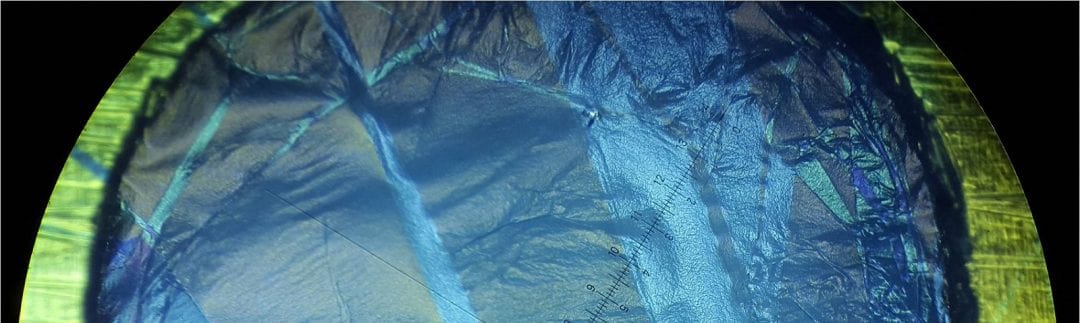
Scientists at LMU Munich and FSU Jena have developed organic semiconductor nanosheets, which can easily be removed from a growth substrate and placed on other substrates.
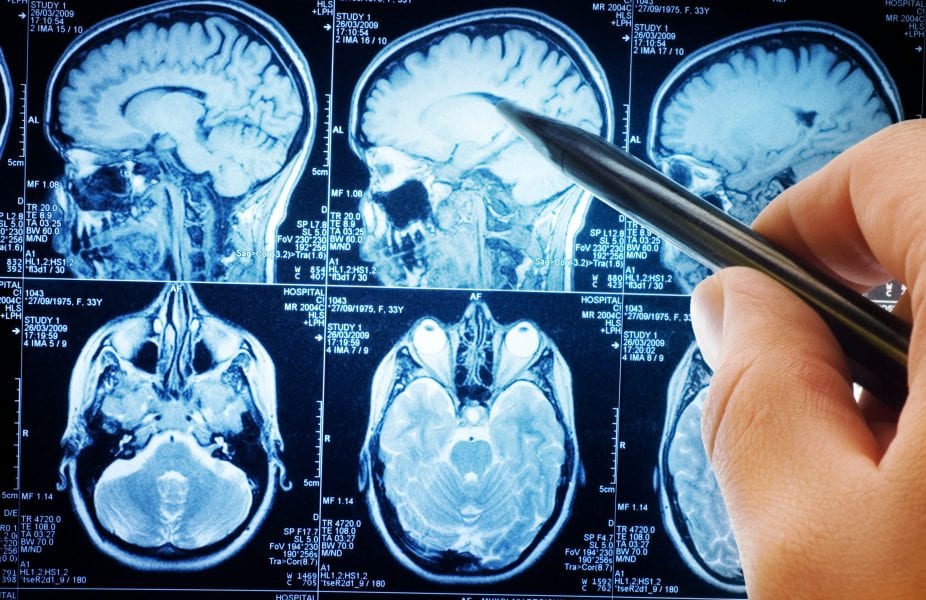
Malignant brain tumors are heterogeneous and invasive, with high morbidity and mortality rates. The main challenge associated in treating such tumors is the presence of the blood-brain barrier (BBB), which actively filters out molecules entering from the blood stream. (Image credit: Triff/Shutterstock)
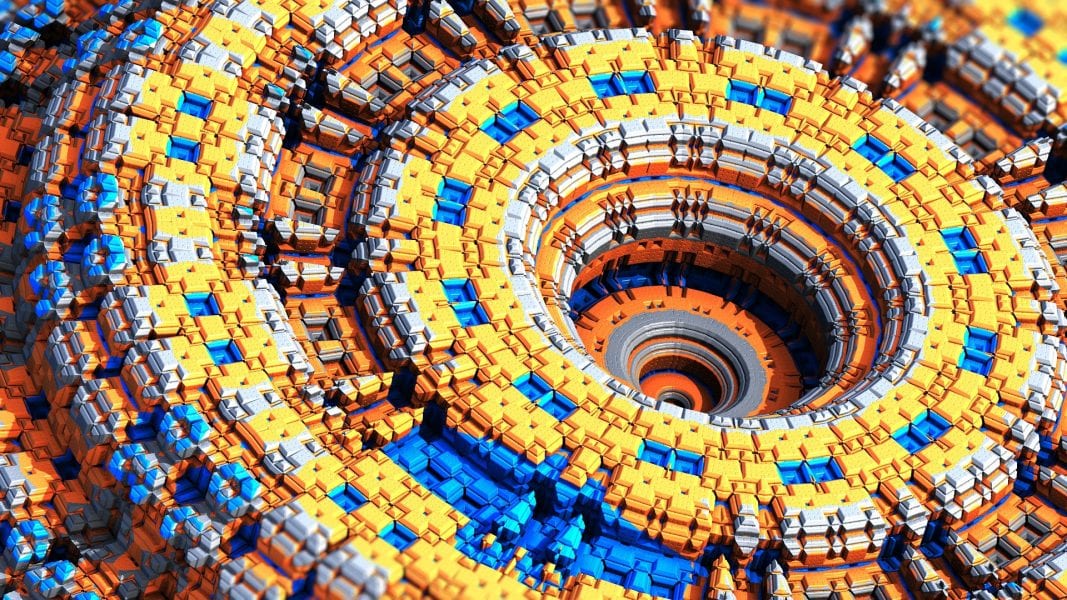
This month’s Advanced Engineering Materials cover and top papers.
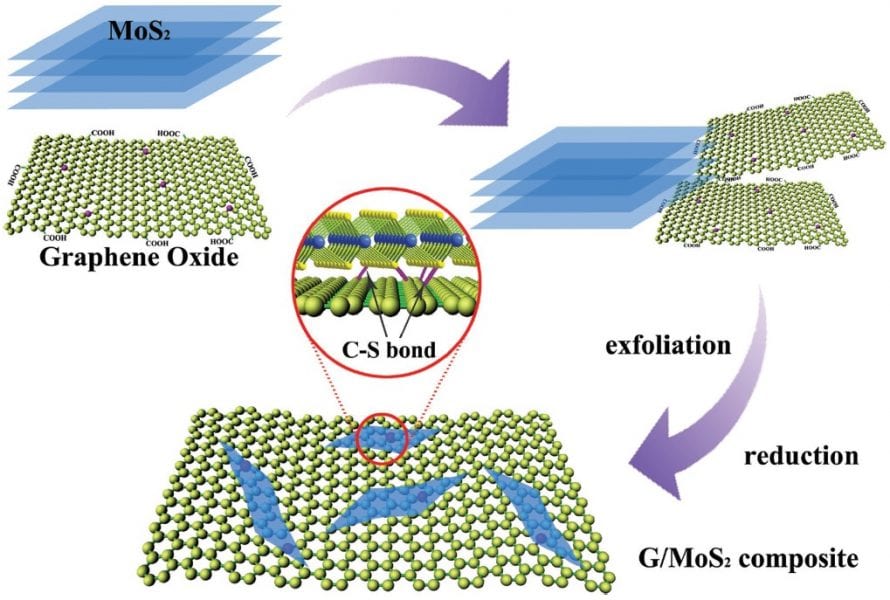
The electrochemical performance of graphene/MoS2 heterostructures is optimised and the kinetics of their lithium storage mechanism are elucidated.
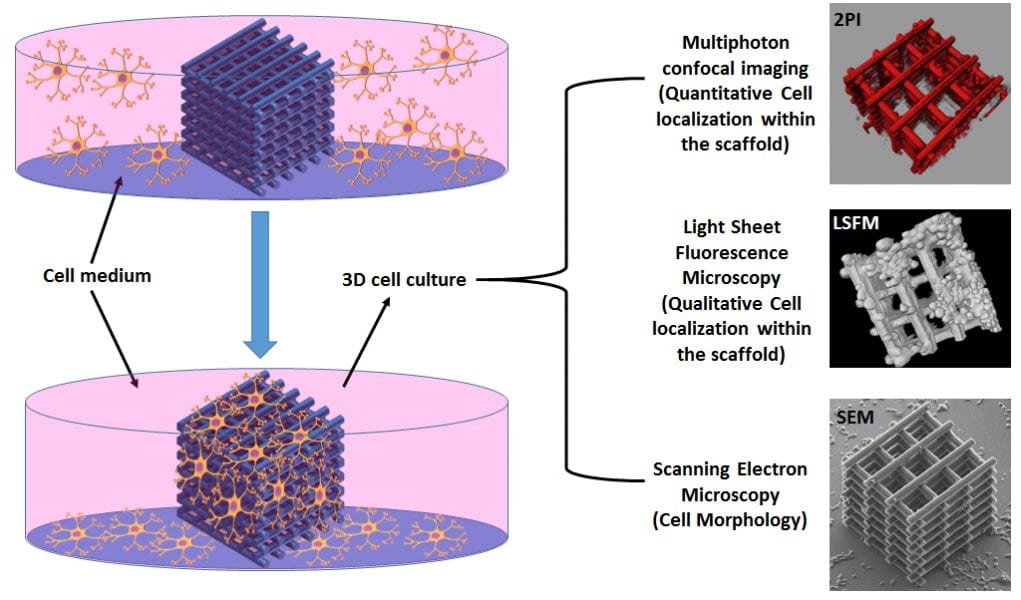
The colonization of a 3D engineered scaffold is investigated, in the perspective of producing realistic 3D environments for cell culture
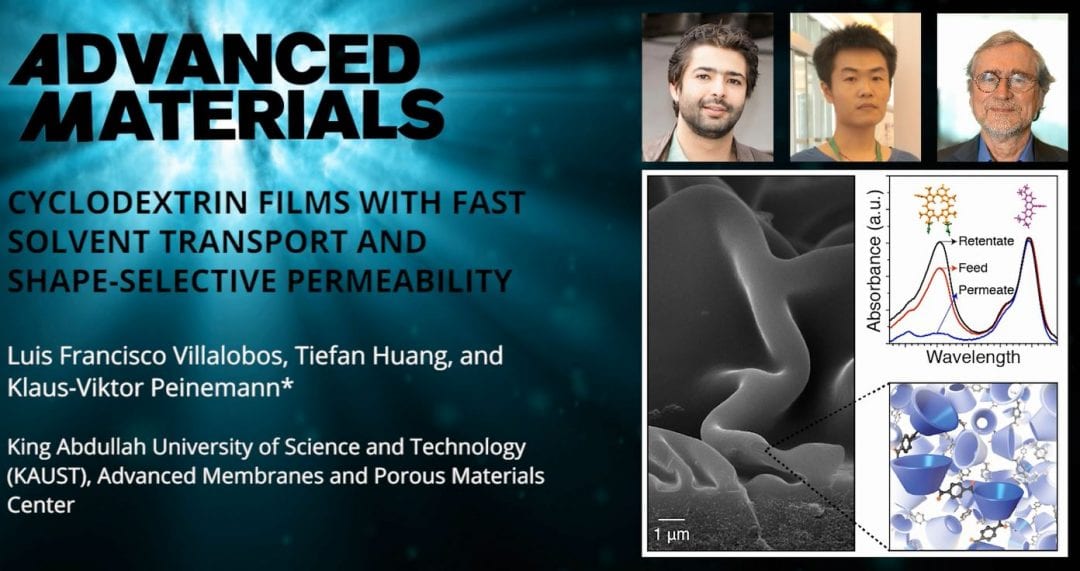
Researchers from King Abdullah University of Science and Technology design a high-performance filtration membrane made exclusively of cyclodextrin.
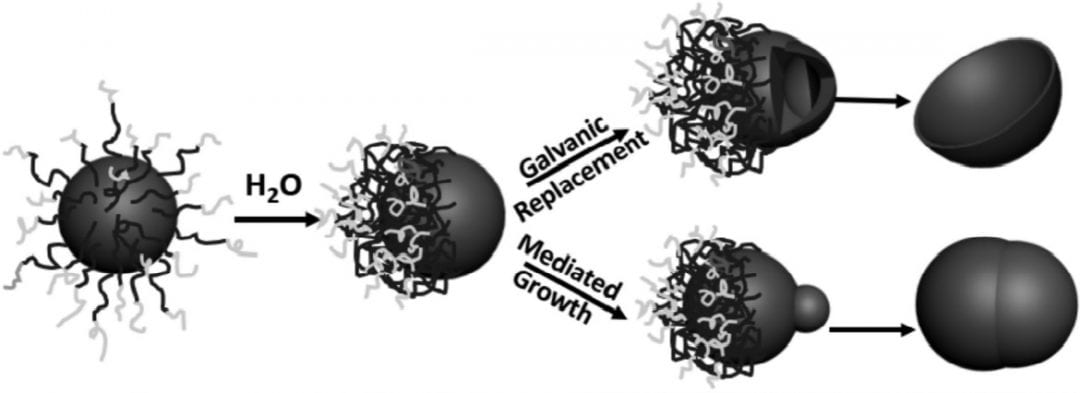
Creating asymmetric nanoparticles is harder than standard colloidal particle synthesis. Here, hydrophobicity unlocks a variety of metal nanoparticle types.

Various views on the same cell are discussed in a recent Special Issue on Monocytes and Marcophages.

 Micron-sized hidden dimensions could solve two of physics’ deepest puzzles
 Turning Periods into Power: Menstrual Blood a Valuable Resource for Medical Diagnostics
 Surfactants Steer Supraparticle Structure
 Bone loss in obesity traced to gut microbiota
 Edible electronics realize safe, complex monitoring devices
 Quantum Anomalies in Condensed Matter: From Theoretical Peculiarities to Tangible Science