Scientists show that single nickel atoms are an efficient, cost-effective catalyst for converting carbon dioxide into useful chemicals.
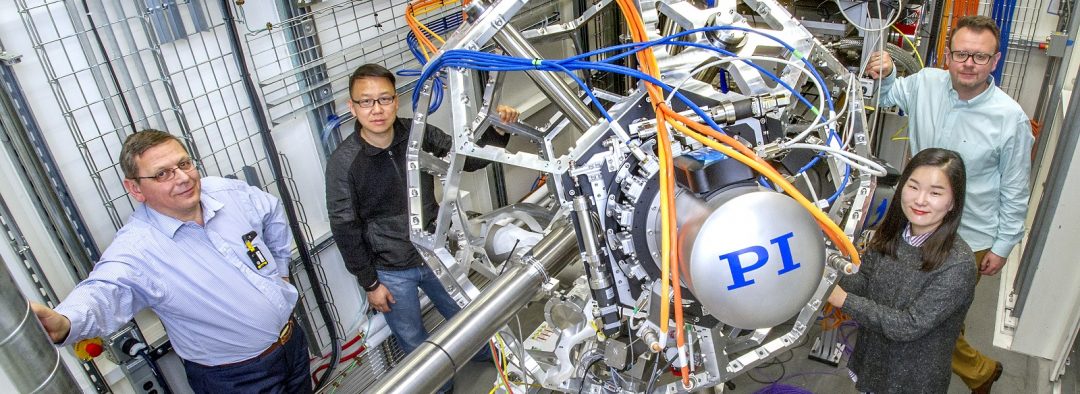

Scientists show that single nickel atoms are an efficient, cost-effective catalyst for converting carbon dioxide into useful chemicals.
![Trans-Scale Biosensing Interface for Ultrasensitive Detection [Video]](https://www.advancedsciencenews.com/wp-content/uploads/2018/04/adfm201706981_ASN_image.jpg)
Dr. Fan Yang and Prof. Guo-Jun Zhang from Hubei University of Chinese Medicine, and co-workers, engineer a trans-scale biosensing interface capable of ultrasensitive microRNA detection.

Artificial photochemically-active microswimmers, with 2D or 3D swimming behavior, can also swim against gravity.
![Moisture-Resistant Perovskite Solar Cells Based on Low-Cost Dye [Video]](https://www.advancedsciencenews.com/wp-content/uploads/2018/04/aenm201703007_ASN_image.jpg)
Dopant-free, moisture-resistant hole-transport materials (HTMs) for perovskite solar cells based on derivatives of the dye anthanthrone (ANT) are developed by Sagar M. Jain from Swansea University Bay Campus, Prashant Sonar from Queensland University of Technology, and co-workers.

An international team have used waste cooking oil from a university cafe to make a cheap, effective material for absorbing oil from seawater.

A recent special issue of Advanced Materials, issue 45 in 2017, was dedicated to highlighting nature-inspired surface and materials research at Beihang University in Beijing, China.

The important role of surface-bound hydroxy groups of vanadium catalysts under reaction conditions by employing in situ DRIFTS experiments and DFT calculations is elucidated.
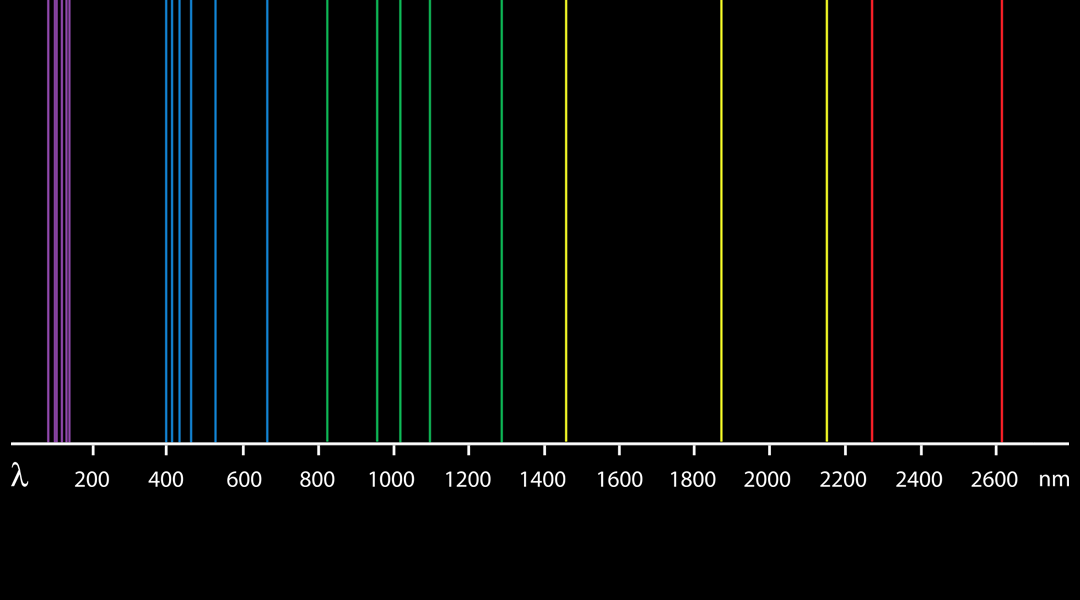
IR-driven transfer of plasmon-induced hot electrons in a nonmetallic branched heterostructure, by combining ultrafast transient absorption spectroscopy with theoretical simulations, is demonstrated for the first time.
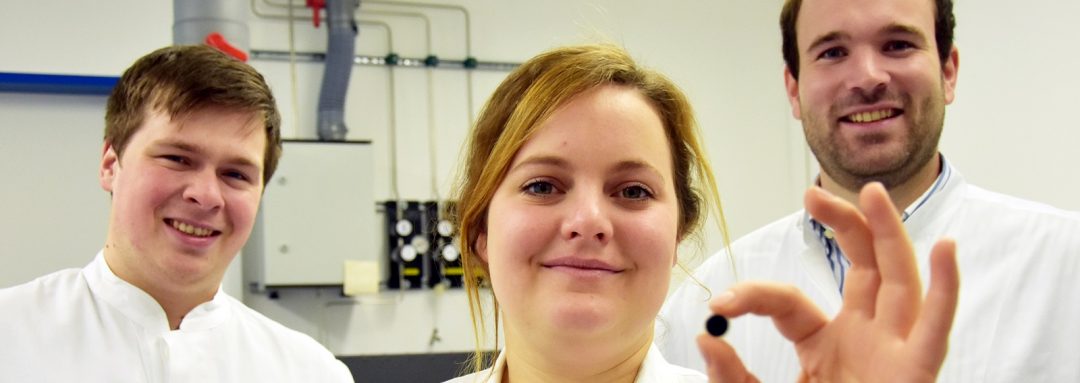
Young start-up team develops a promising new reference materials for direct microanalysis of solids.
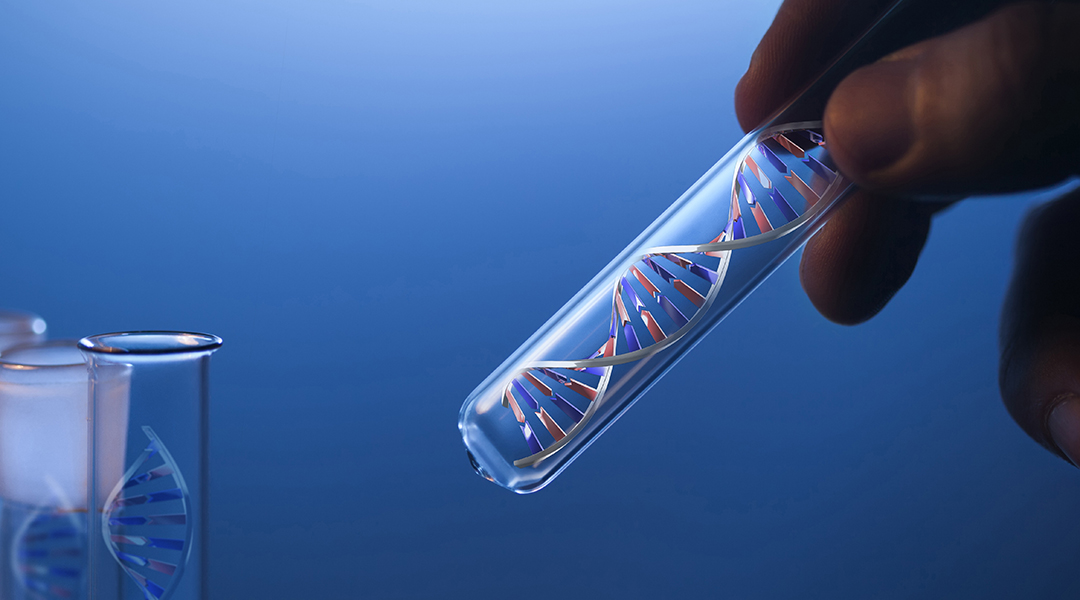
DNA origami nanobiosensor: The binding of the bioanalyte (left) with the ssDNA-associated bioreceptor (center) on the surface of the DNA origami is transduced as a measurable change in properties (right) that can be recognized and quantified by a detector.
 Micron-sized hidden dimensions could solve two of physics’ deepest puzzles
 Turning Periods into Power: Menstrual Blood a Valuable Resource for Medical Diagnostics
 Surfactants Steer Supraparticle Structure
 Bone loss in obesity traced to gut microbiota
 Edible electronics realize safe, complex monitoring devices
 Fermilab Confirms Muon g-2 Measurements