New publication brings together theory and experimental results in molecular electronics – can we go beyond Moore’s law? Emanuele Orgiu & Paolo Samorì of ISIS tell us more


New publication brings together theory and experimental results in molecular electronics – can we go beyond Moore’s law? Emanuele Orgiu & Paolo Samorì of ISIS tell us more
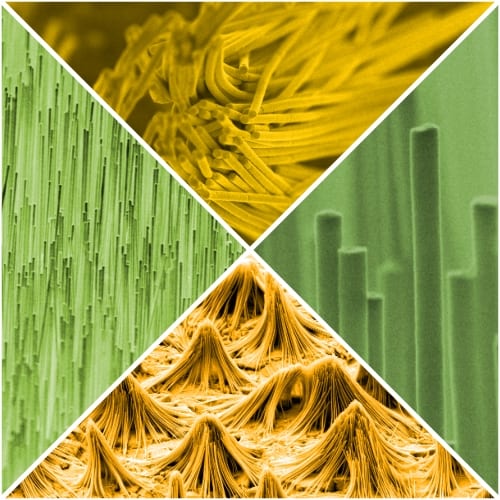
One-dimensional nanostructures like nanowires, nanobelts, and nanotubes attract considerable interest. However, common techniques to separate the nanostructures from the template can cause the structures to collapse.
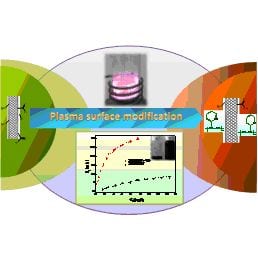
Scientists at Institute of Plasma Physics, CAS, have developed a way to modify multiwalled carbon nanotubes to enhance their dispersion properties and adsorption capacities
Light-triggered myosin allows real-time study of cells
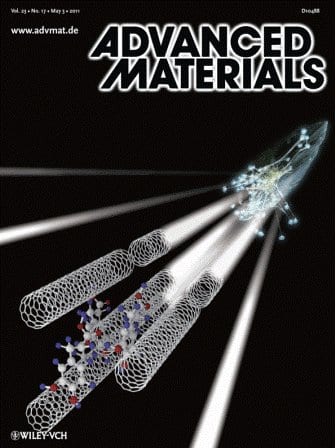
Merging the ultra-strong nature of carbon nanotubes and mussel-inspired linker molecules renders high-strength fibres via a simple spinning process.
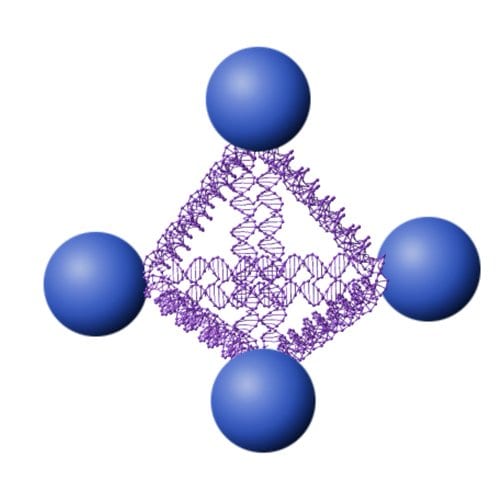
Tetrahedral constructs of DNA are a new way to support proteins on functional nanostructures, according to work by U.S. scientists.
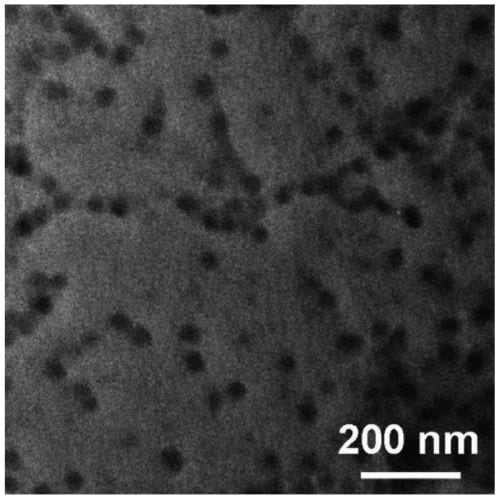
The self-assembly of block polymers raises this question, discussed in the latest Trend Article in Macromolecular Chemistry and Physics.
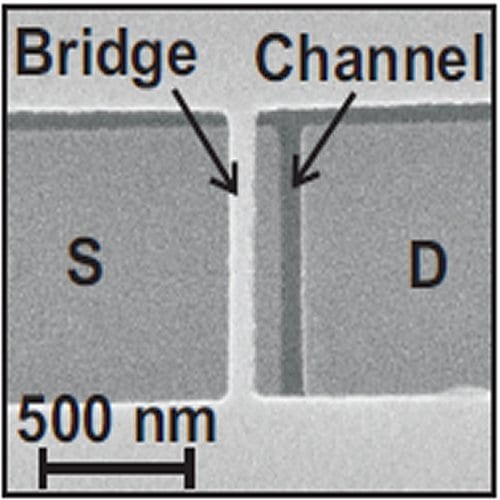
Very small organic thin-film transistors with high operating frequencies have been produced by Japanese and German scientists.
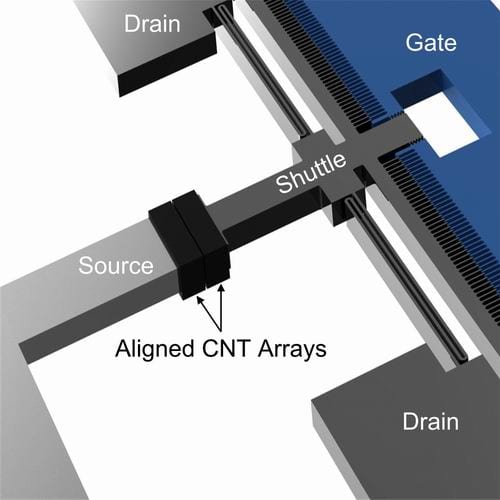
Korean researchers make a tiny switch from carbon nanotubes.
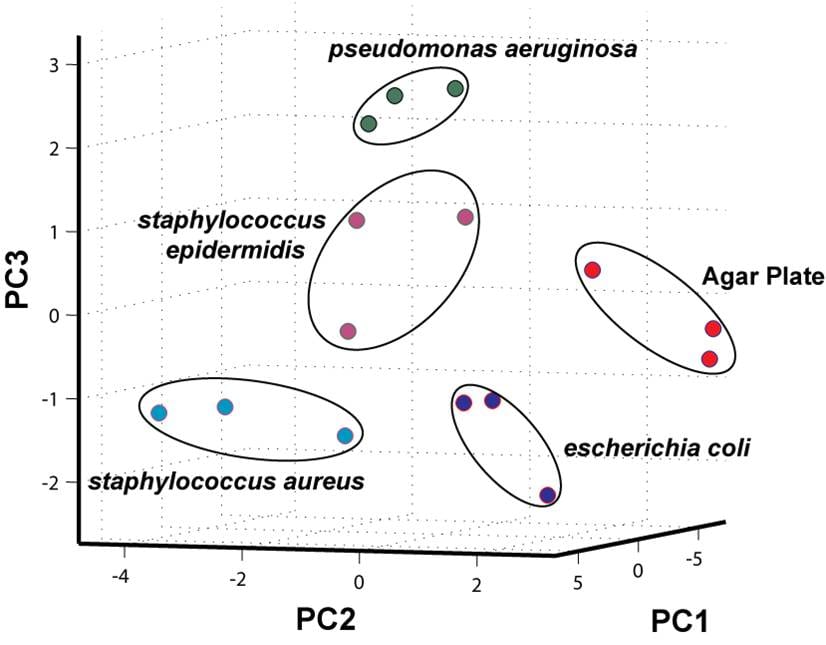
So what is next for nanochemical and biochemical sensor research? Shouldn’t we be trying to find the next glass pH electrode, rather than trying to squeeze that extra fraction of a percent out of our tried and tested materials?

 Micron-sized hidden dimensions could solve two of physics’ deepest puzzles
 Turning Periods into Power: Menstrual Blood a Valuable Resource for Medical Diagnostics
 Surfactants Steer Supraparticle Structure
 Bone loss in obesity traced to gut microbiota
 Edible electronics realize safe, complex monitoring devices
 Fermilab Confirms Muon g-2 Measurements