AI and robotics meet fluidics to accelerate materials development, allowing researchers to create quantum dots in under an hour.


AI and robotics meet fluidics to accelerate materials development, allowing researchers to create quantum dots in under an hour.

A gelatin-based hydrogel allows researchers to create a flexible, remote controlled robot capable of squeezing through tight spaces.
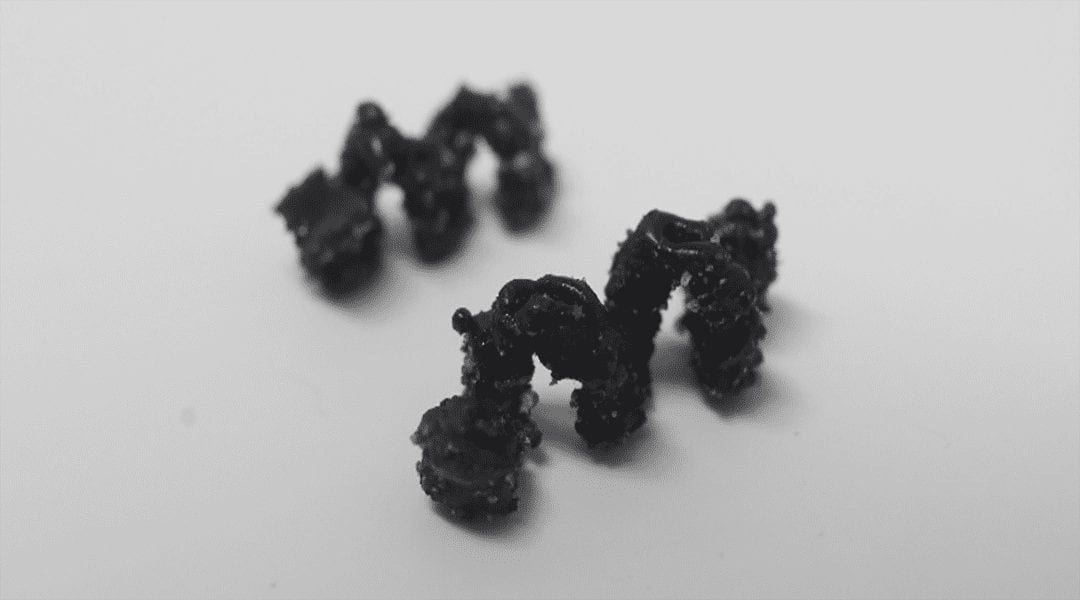
By mixing sugar and magnetic particles, researchers create biodegradable “CANDYBOTS” with potential applications in drug delivery and ingestible devices.

Researchers in Australia take inspiration from nature to create a soft-robotic gripper that moves away from the conventional hand-like design.

Scientists develop a simple method that mimics plant motion to get paper to fold itself after printing.

An active polymer skin that can be be reshaped on-demand takes existing technologies and adapts their functionalities to the needs of a changing environment.
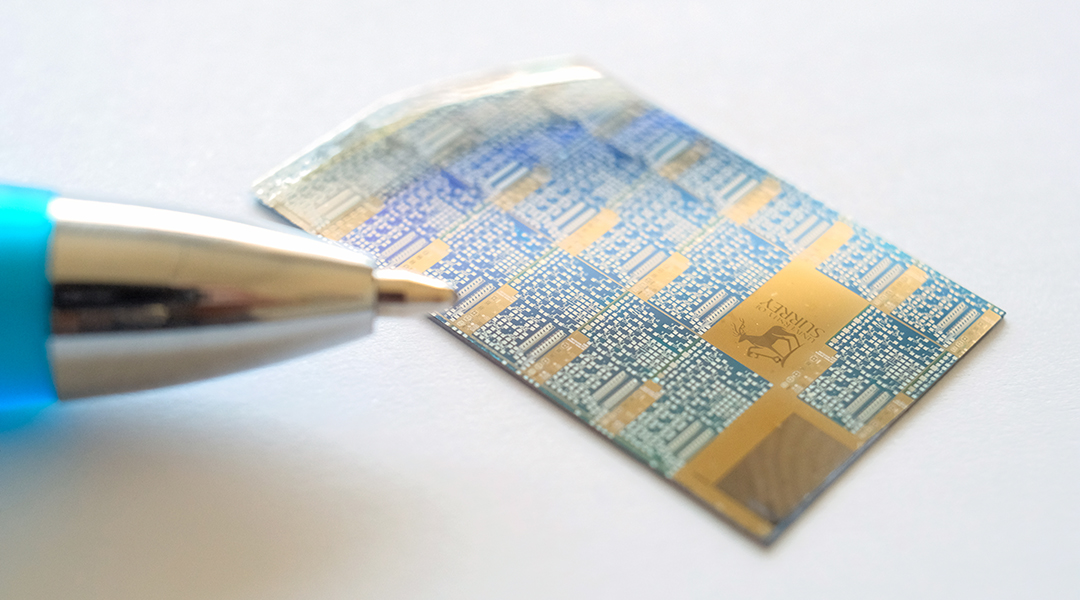
Multimodal thin-film transistors, or MMTs, could be pivotal in designing the next-generation of wearables and eco-disposable sensors.
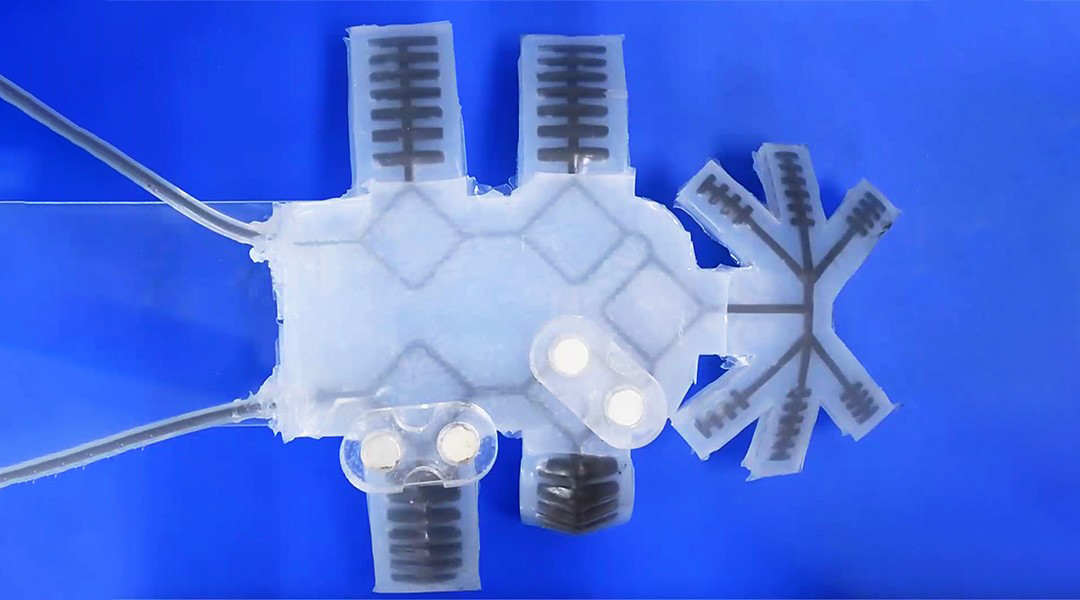
A new strategy allows researchers control robotic movement using fluids, creating flexible, untethered systems with promising applications.

Researchers create new soft electrostatic zipping actuators manufactured through an integrated printing process for next generation soft robotics.
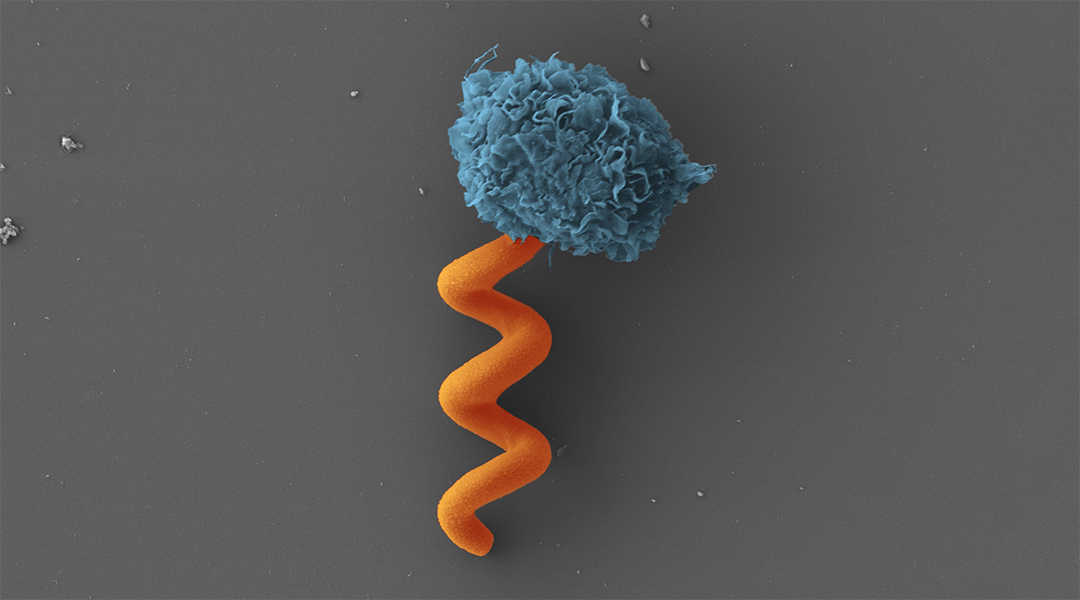
Zwitterionic polymers allow researchers to fabricate drug-carrying microrobots that can operate covertly under the immune system’s radar.

 Micron-sized hidden dimensions could solve two of physics’ deepest puzzles
 Turning Periods into Power: Menstrual Blood a Valuable Resource for Medical Diagnostics
 Surfactants Steer Supraparticle Structure
 Bone loss in obesity traced to gut microbiota
 Edible electronics realize safe, complex monitoring devices
 Fermilab Confirms Muon g-2 Measurements