A brain-inspired, neuromorphic chip has the capability of self-learning and has been demonstrated the ability to compose music.
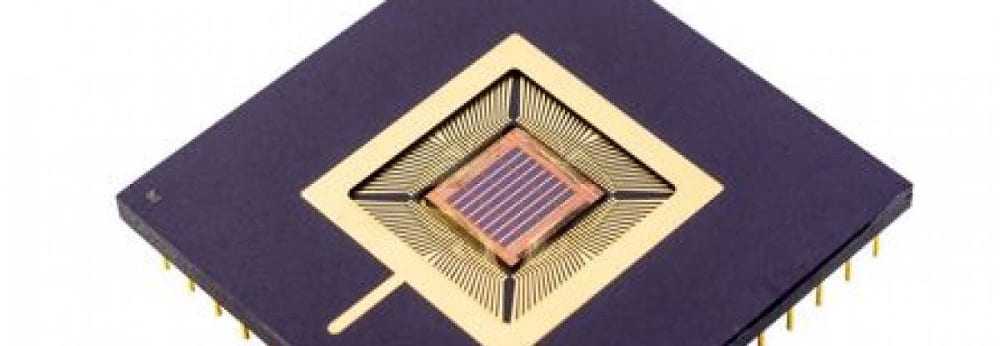

A brain-inspired, neuromorphic chip has the capability of self-learning and has been demonstrated the ability to compose music.
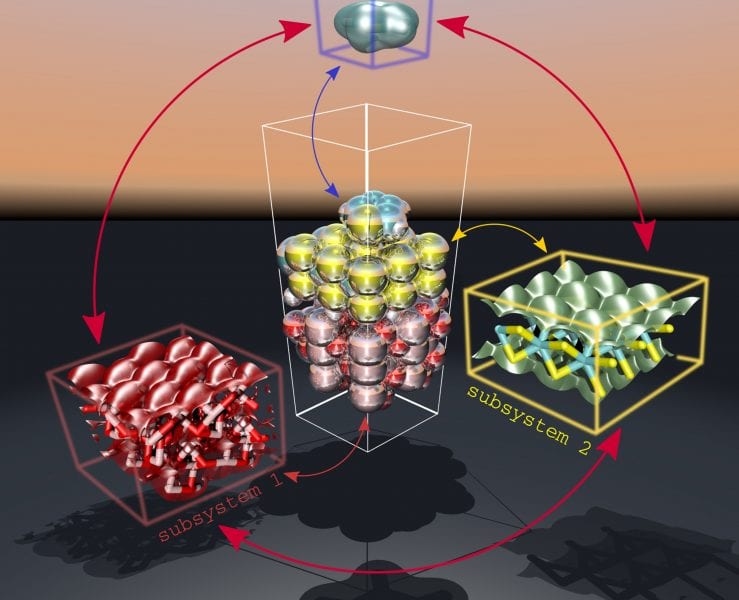
Computer simulations provide valuable and often critical insight into the structure and properties of materials and molecules.

Researchers from Nanyang Technological University demonstrate 3D-printed, surface-modified electrodes for effective water splitting.
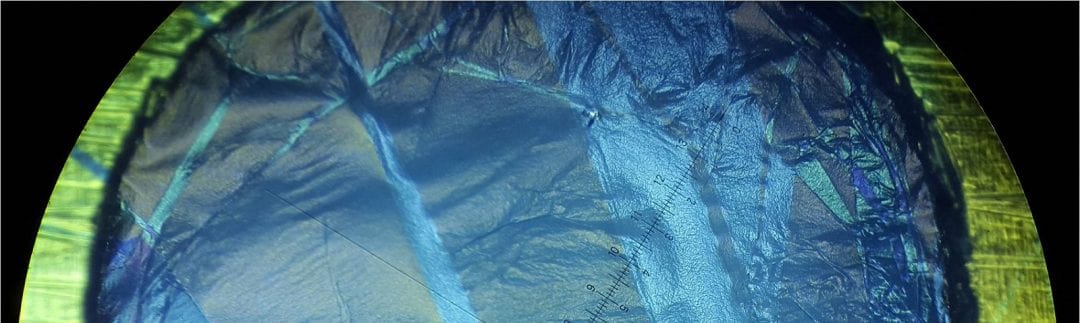
Scientists at LMU Munich and FSU Jena have developed organic semiconductor nanosheets, which can easily be removed from a growth substrate and placed on other substrates.

Optimizing H- and J-type aggregates significantly improves the power conversion efficiency in bulk-heterojunction solar cells.
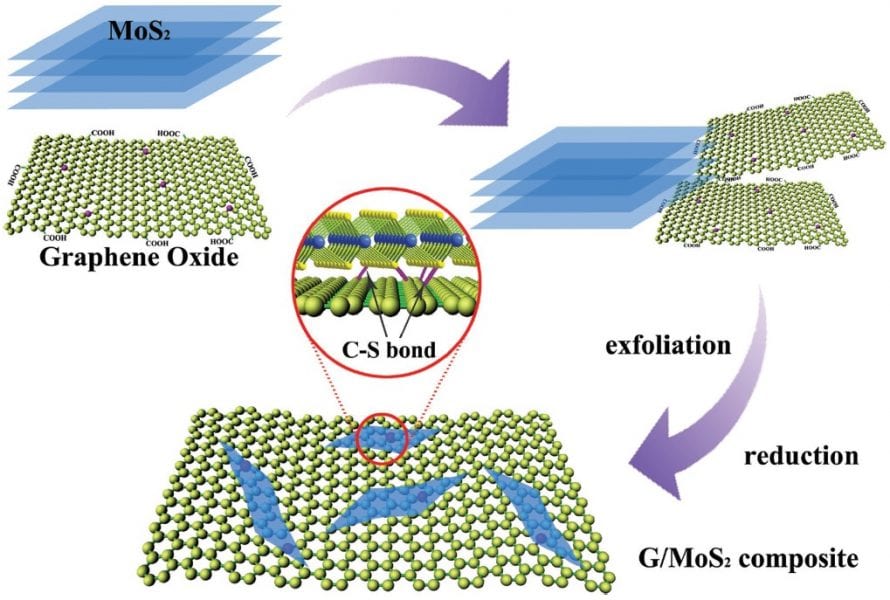
The electrochemical performance of graphene/MoS2 heterostructures is optimised and the kinetics of their lithium storage mechanism are elucidated.
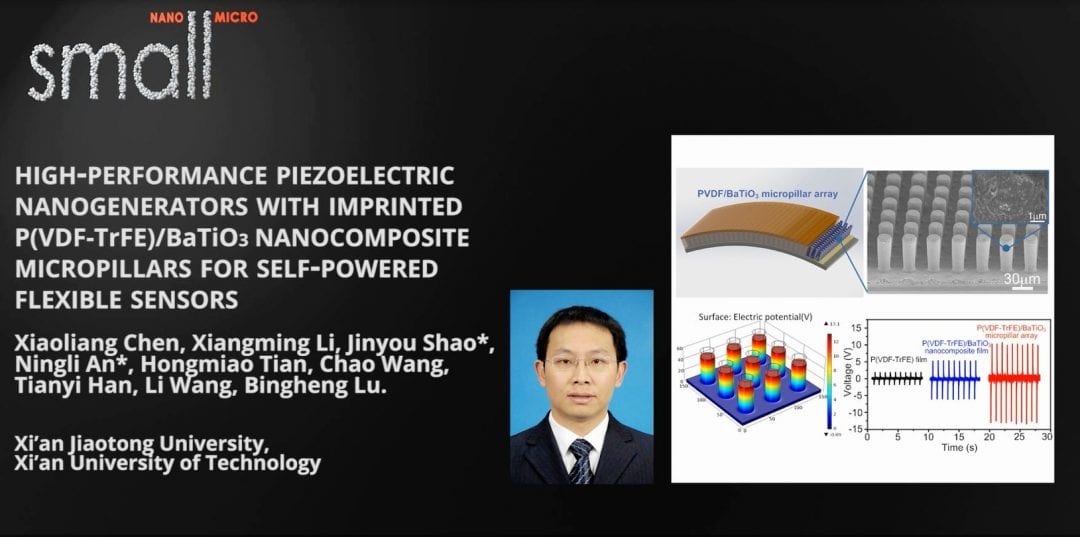
A high-performance, flexible piezoelectric nanogenerator is fabricated to convert mechanical energy into electricity that can power a variety of devices.
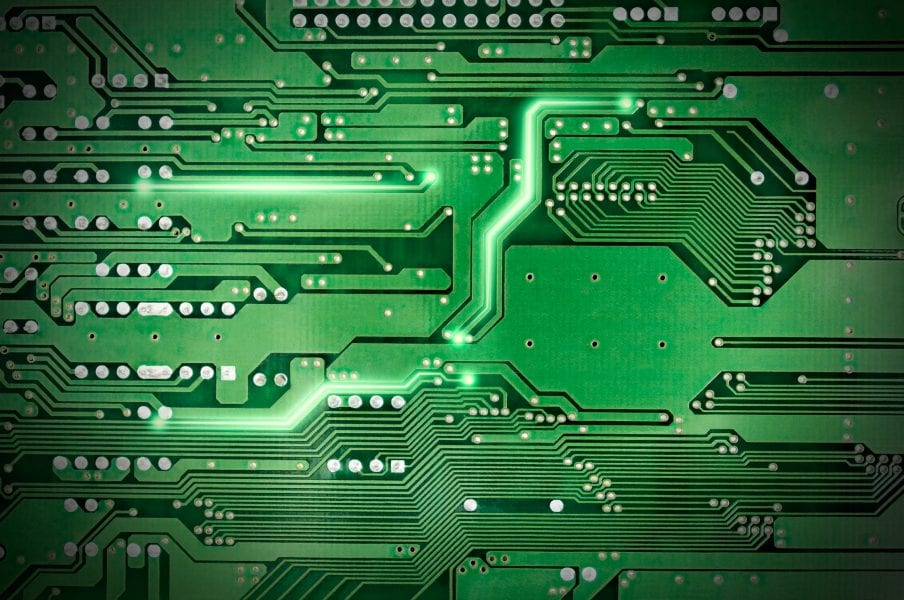
The continued development of piezoelectric materials has led to a huge market of products (image credit: Csaba Deli/Shutterstock).
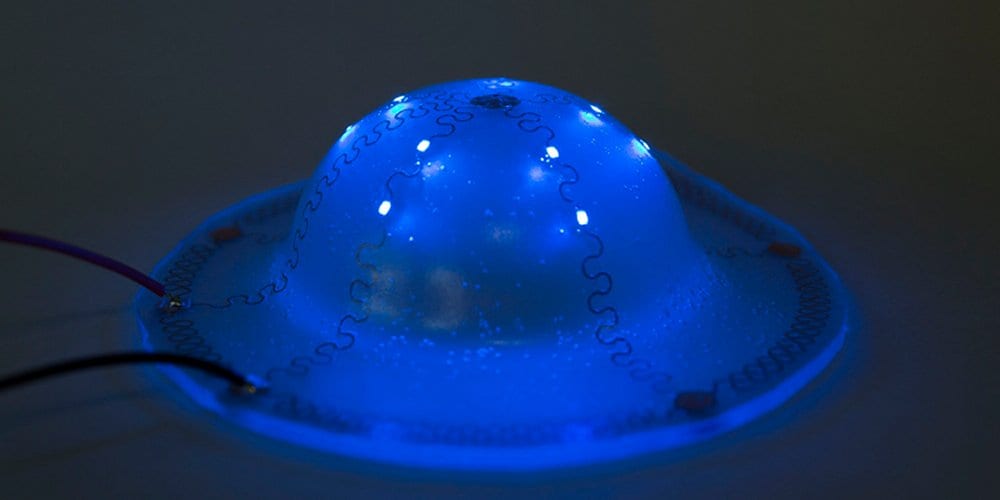
Several devices using flexible circuit boards were created to demonstrate the possibilities of this technology, showing the ability to create thermoplastic electronic devices.

Perovskite solar cells made on flexible plastic substrates are a crucial development, but how to deposit the electron collecting layer?
 New theory suggests gravity is not a fundamental force
 Water-powered gadgets may be on the horizon thanks to new evaporation-based energy device
 Micron-sized hidden dimensions could solve two of physics’ deepest puzzles
 Turning Periods into Power: Menstrual Blood a Valuable Resource for Medical Diagnostics
 Solar panels made of lunar dust could power a future Moon base
 Organic materials bring probabilistic computing closer to reality