Jason Burdick and colleagues from the University of Pennsylvania, USA, and Tsinghua University, China report a general method for 3D bioprinting of photocrosslinkable hydrogels without limitations on ink viscosity.
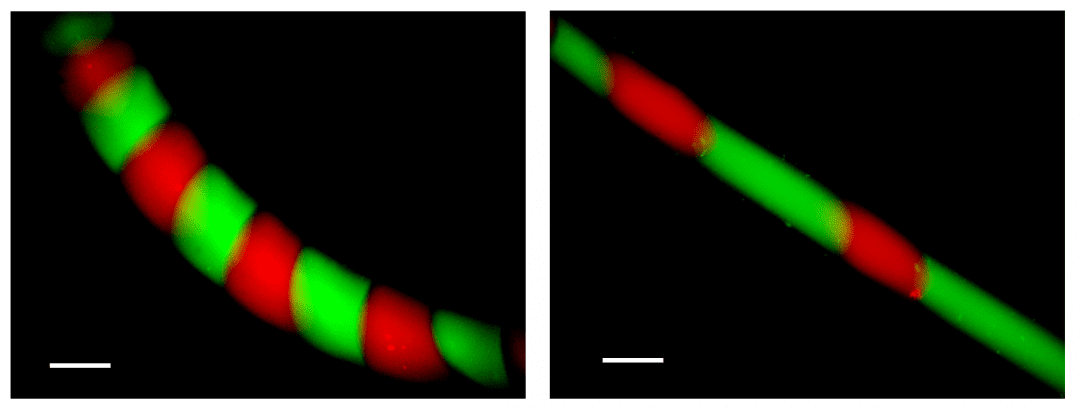

Jason Burdick and colleagues from the University of Pennsylvania, USA, and Tsinghua University, China report a general method for 3D bioprinting of photocrosslinkable hydrogels without limitations on ink viscosity.
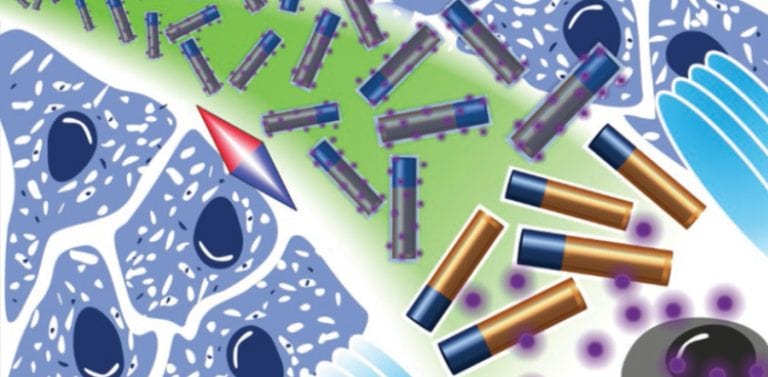
Salvador Pané and colleagues demonstrate core–shell magnetoelectric nanowires that can be triggered using different magnetic fields for targeted drug delivery to kill cancer cells.

Researchers collaborating between the USA and the Netherlands have adapted a technique typically used for the removal of process-related impurities in order to separate out product-related impurities.

Biotechnology and Bioengineering has published a Virtual Issue to celebrate the 100th Anniversary of Acetone-Butanol-Ethanol Fermentation.
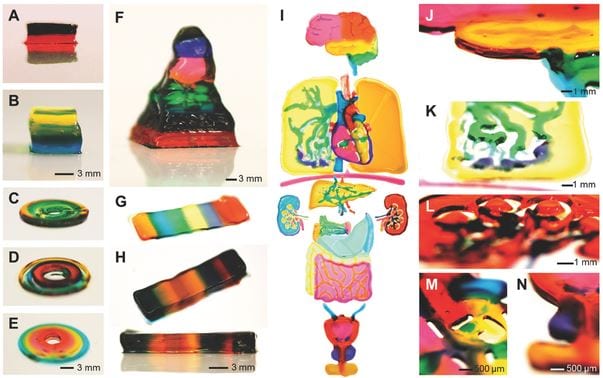
The initial foundation to achieve biomimetic human robots may be here, via a platform for the rapid fabrication of biologically relevant artificial tissues and organs which was recently proposed.
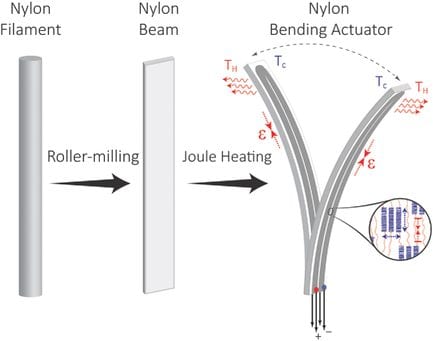
Researchers from MIT present an approach to make artificial muscles with nylon that bend, controllably, in any direction.
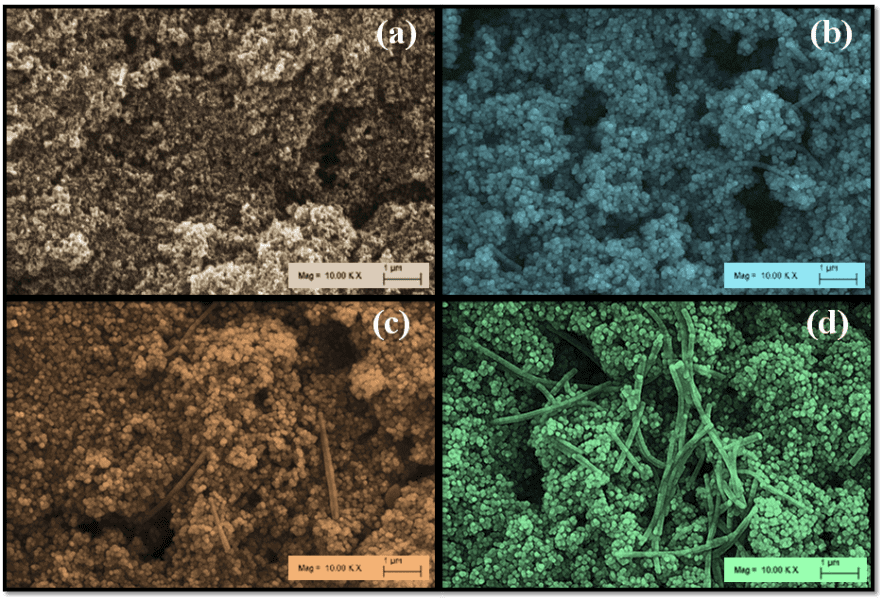
In a recent study, researchers succeeded in applying chickpea and wheat DNA as bridging unit and thin tunneling layer at the TiO2/dye interface.
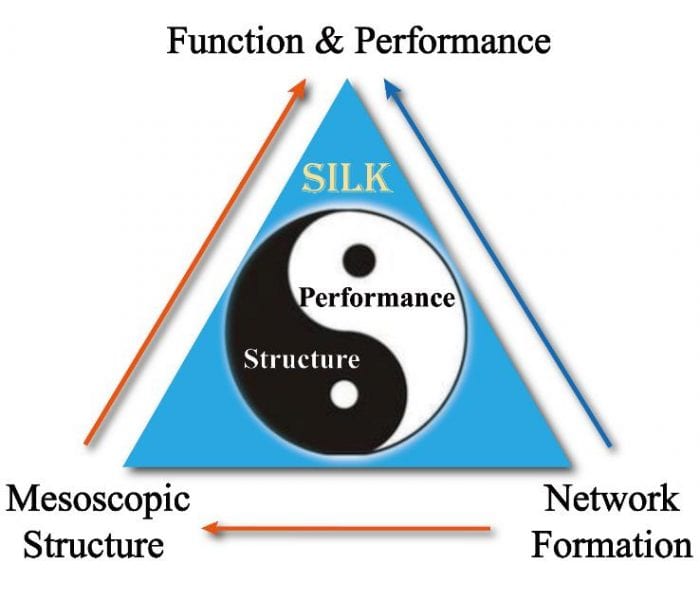
As flexible photonics/electronics industries are going to take over the traditional industries, Bombyx mori silk will serve as a crucial material due to its capability of functionalization and re-engineering.
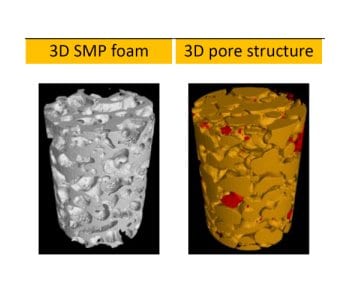
This study expands the potential applications of the SMP foam in tissue engineering.

We are happy to announce the launch of a new Advanced journal family member: Advanced Biosystems!
 New theory suggests gravity is not a fundamental force
 Higgs boson may be driving the Universe’s expansion
 Water-powered gadgets may be on the horizon thanks to new evaporation-based energy device
 Scientists discover a new class of antibiotics
 Micron-sized hidden dimensions could solve two of physics’ deepest puzzles
 A new type of dark matter could explain mysterious radiation from the Milky Way’s core