Nanostructured hydroxyapatite (nHAp) appears to have a great potential to revolutionize the hard tissue-engineering field, starting from bone repair and augmentation to controlled drug delivery systems.
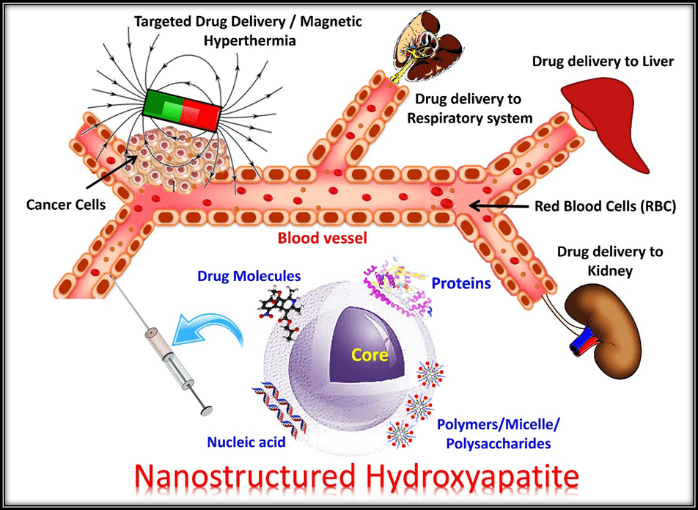

Nanostructured hydroxyapatite (nHAp) appears to have a great potential to revolutionize the hard tissue-engineering field, starting from bone repair and augmentation to controlled drug delivery systems.
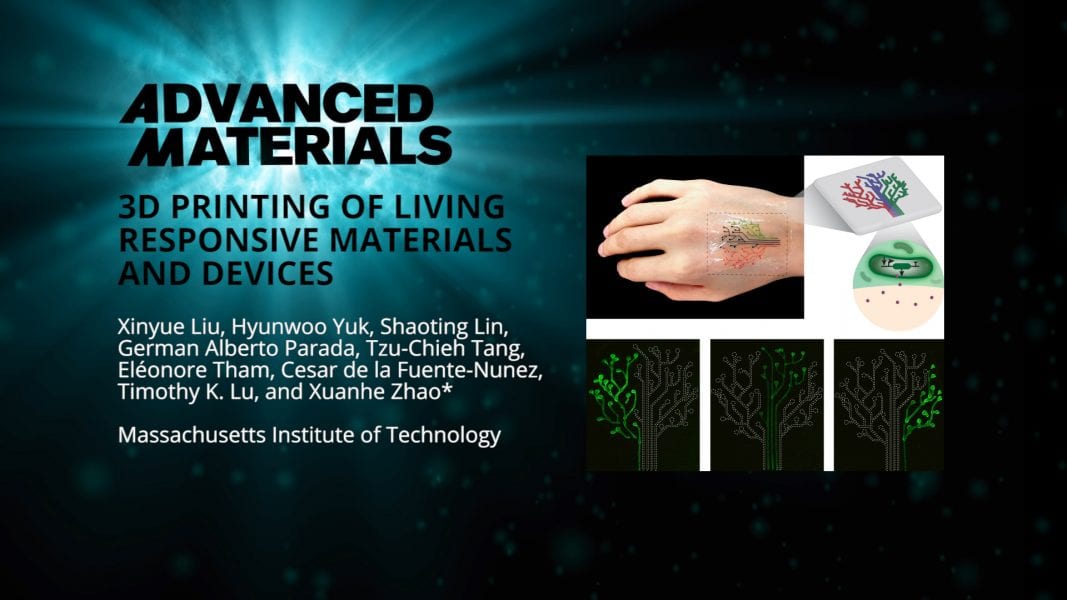
A group of researchers from the Massachusetts Institute of Technology (MIT) generate living materials and devices by 3D printing genetically programmed bacterial cells. The living bioink can be used to print novel materials including logic gates and a living tattoo for chemical detection on human skin.
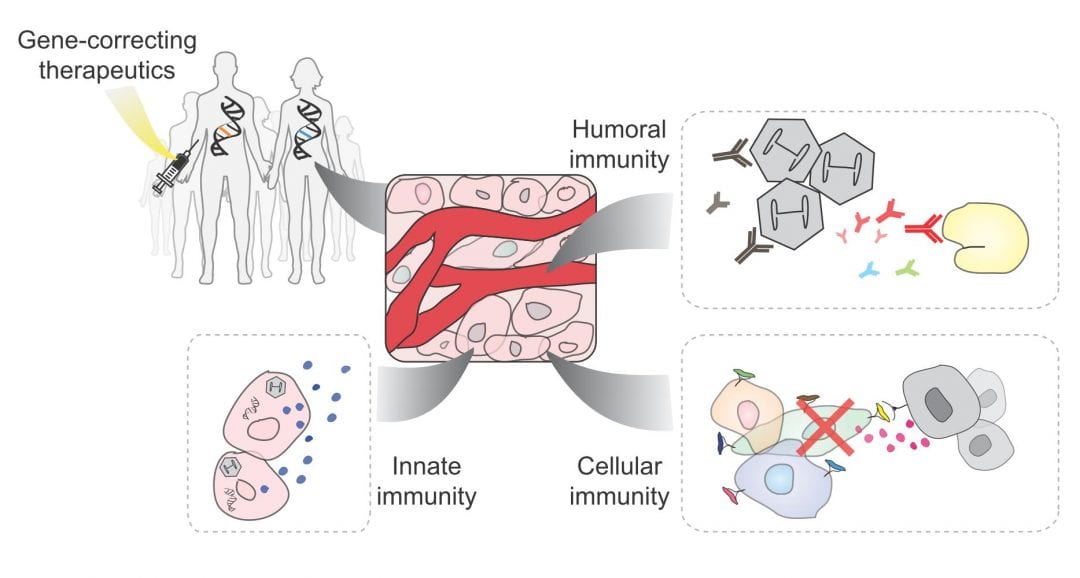
Genome-editing therapeutics introduce foreign nucleic acids and proteins into the circulation and cells, which can activate the innate, cellular, and humoral immunity in human patients. The key obstacle in translating CRISPR therapeutics to the clinic is hence to identify, diminish, and monitor these immunological risks before adverse immune reactions.
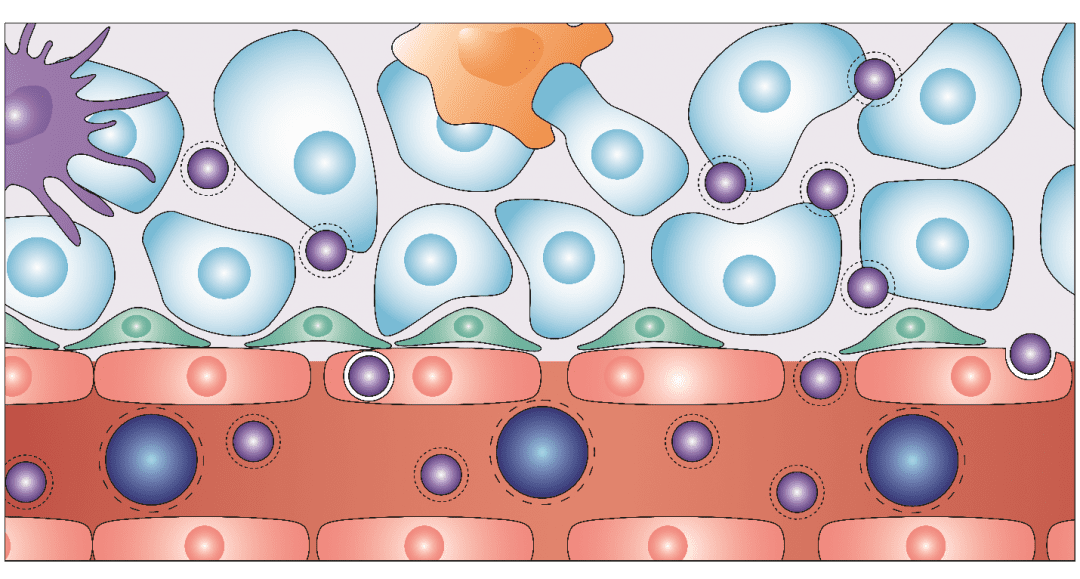
In contrast to healthy tissue, tumors demand a high supply of nutrients and oxygen, and will invade existing vessels and develop new ones to meet these demands.

Taiwanese scientists create a new atmospheric-pressure plasma jet tooth bleaching method that is safe, cost effective and portable.

Wood could potentially replace petrol in chemistry and concrete in construction, according to studies conducted under the Swiss Research Programme “Resource Wood”.
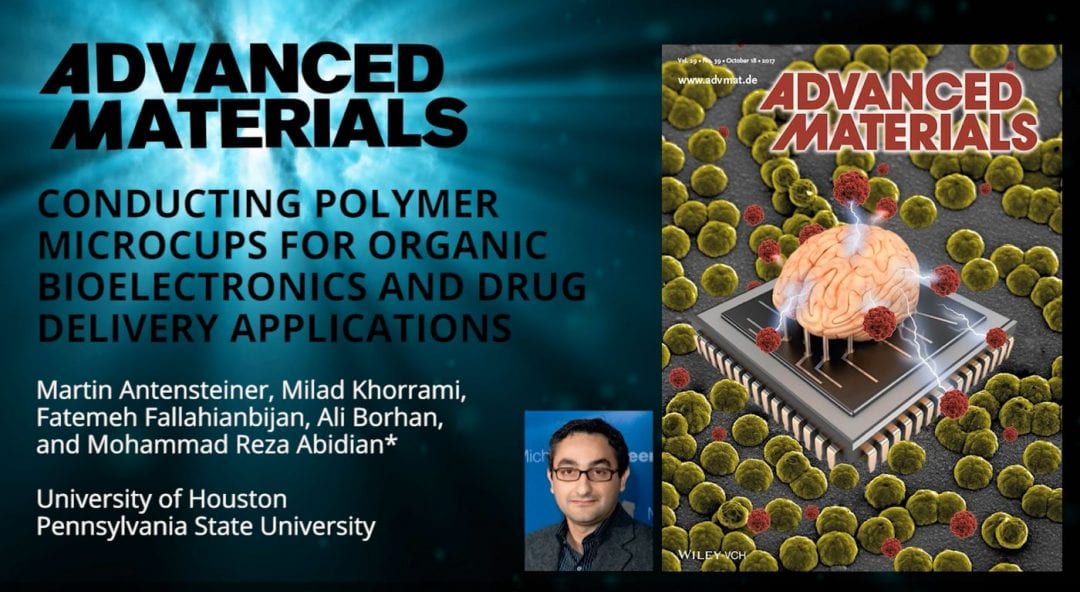
University of Houston and Pennsylvania State University researchers fabricate conducting polymer microcups from polylactic-co-glycolic acid (PLGA) for neural applications and drug delivery. These microcups are tunable in terms of size, surface roughness, electrical properties, and drug release.

Spanish researcher found a way to replace bisphenol-A with limonene in polycarbonates.

A simple and effective, injectable hydrogel system with tunable fiber orientation for directed cell growth in demonstrated.
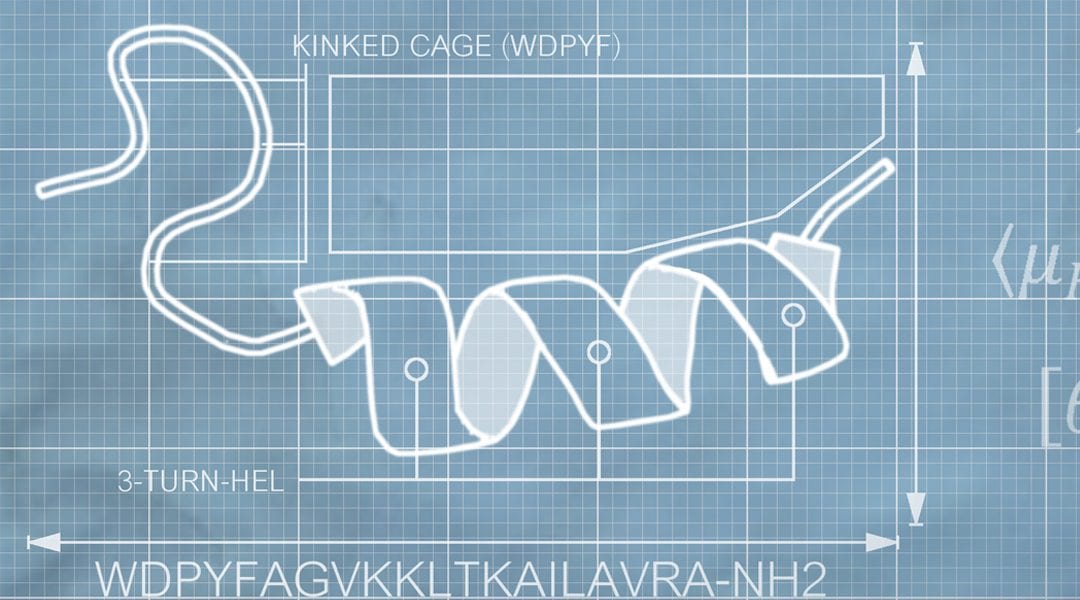
A novel, nature template-based computation design method has been proposed, and demonstrates the potential for design of peptides for chemical biology and medicinal chemistry.
 New theory suggests gravity is not a fundamental force
 Higgs boson may be driving the Universe’s expansion
 Water-powered gadgets may be on the horizon thanks to new evaporation-based energy device
 Scientists discover a new class of antibiotics
 Micron-sized hidden dimensions could solve two of physics’ deepest puzzles
 A new type of dark matter could explain mysterious radiation from the Milky Way’s core