Drug-free macromolecular therapeutic systems can target and kill cancer cells without causing the side-effects of the drugs currently in clinical use.
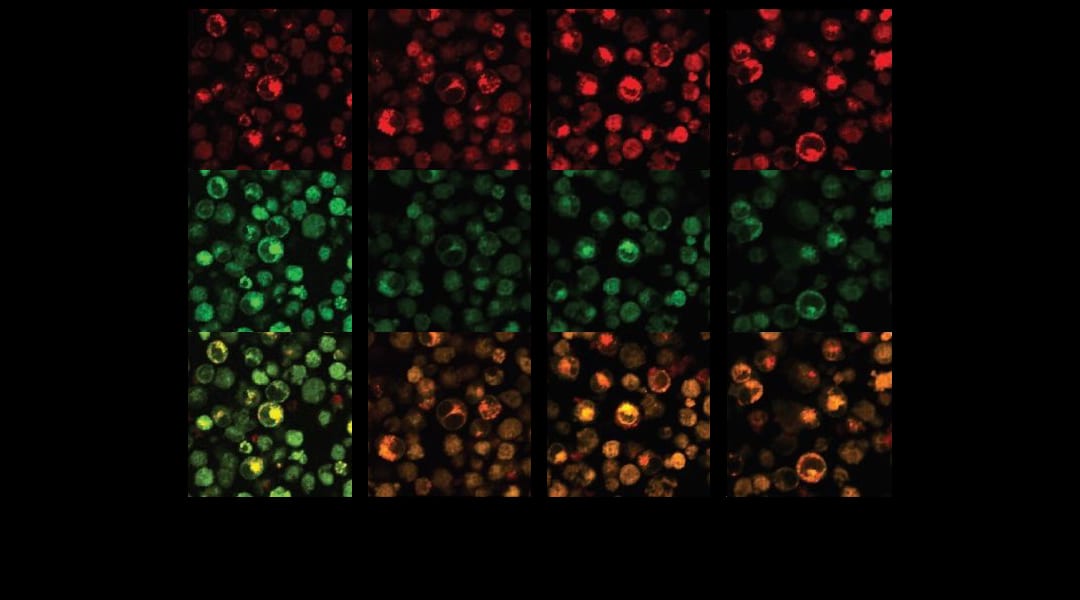

Drug-free macromolecular therapeutic systems can target and kill cancer cells without causing the side-effects of the drugs currently in clinical use.
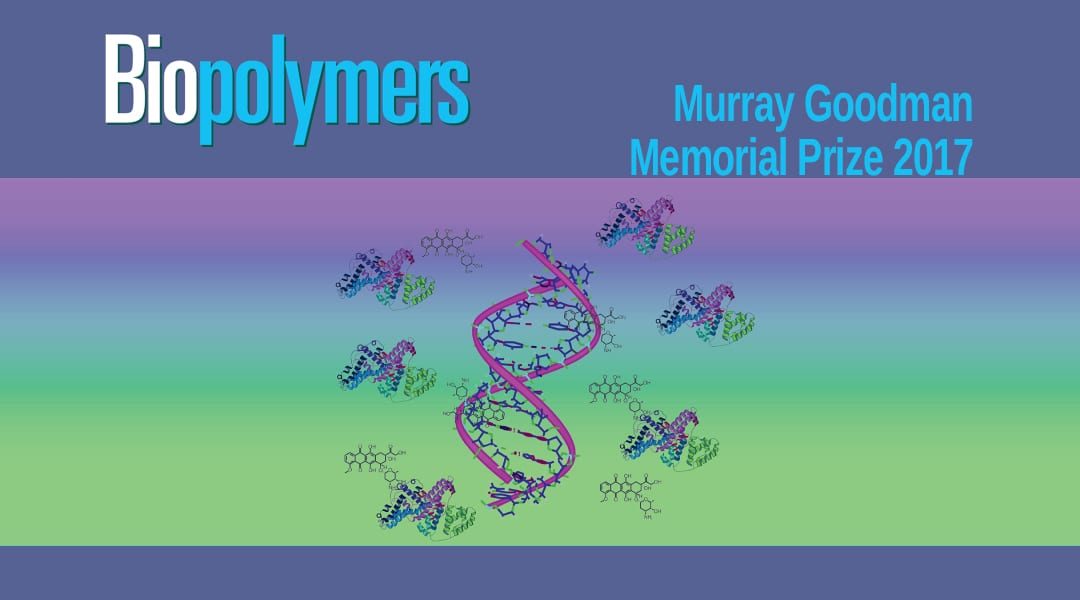
Recognizing his seminal contributions to the de novo design of peptides, proteins and pharmaceutically-active small molecules, we are thrilled to present Professor William F. DeGrado with the 2017 Biopolymers Murray Goodman Memorial Prize.

Soft microswimmers that use a combination of acoustic and magnetic fields to demonstrate motion with precise manoeuvrability in a blood vessel.

The Phospholipid Research Center Heidelberg, organised already its “5th International Symposium on Phospholipids in Pharmaceutical Research” from 18th – 19th September 2017 at the University of Heidelberg, Germany.
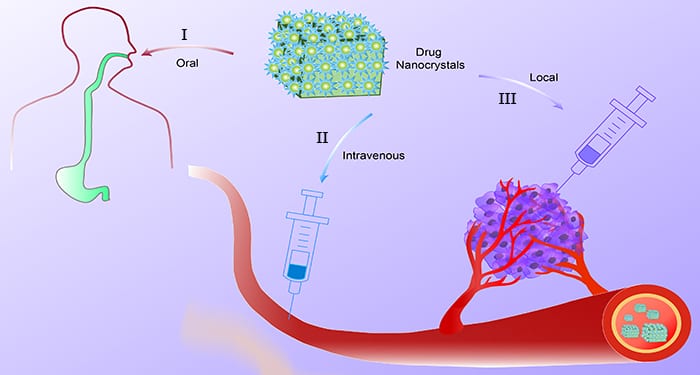
Drug nanocrystals deliver drugs via oral, intravenous, and local administration and show promise towards treating cancer more effectively.
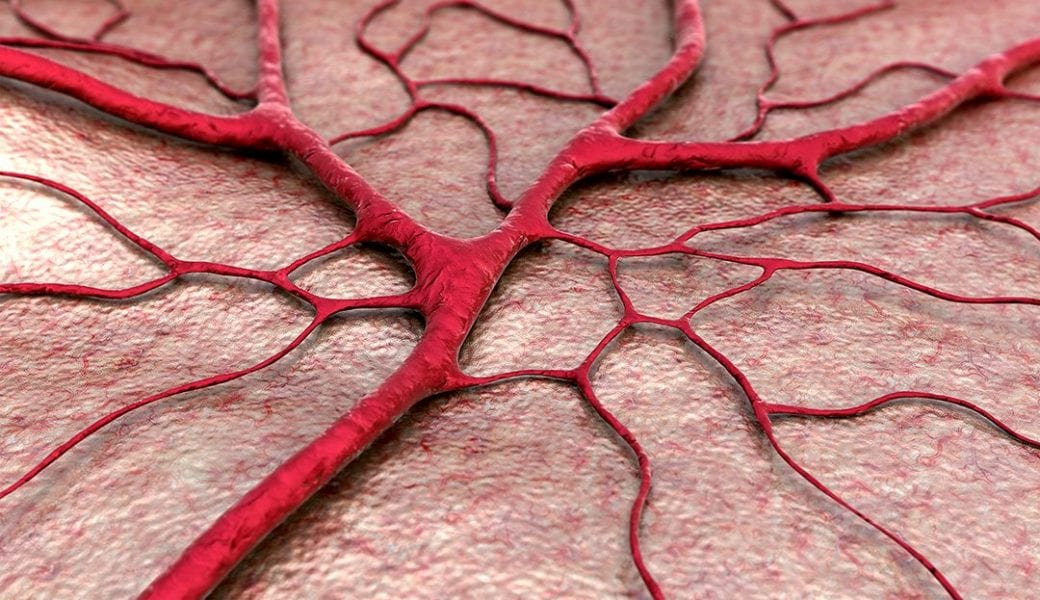
An advanced 4D bioprinting approach uses shape-morphing, biopolymer hydrogels to form the basis for blood vessels and other tubular structures in artificial tissues and organs.
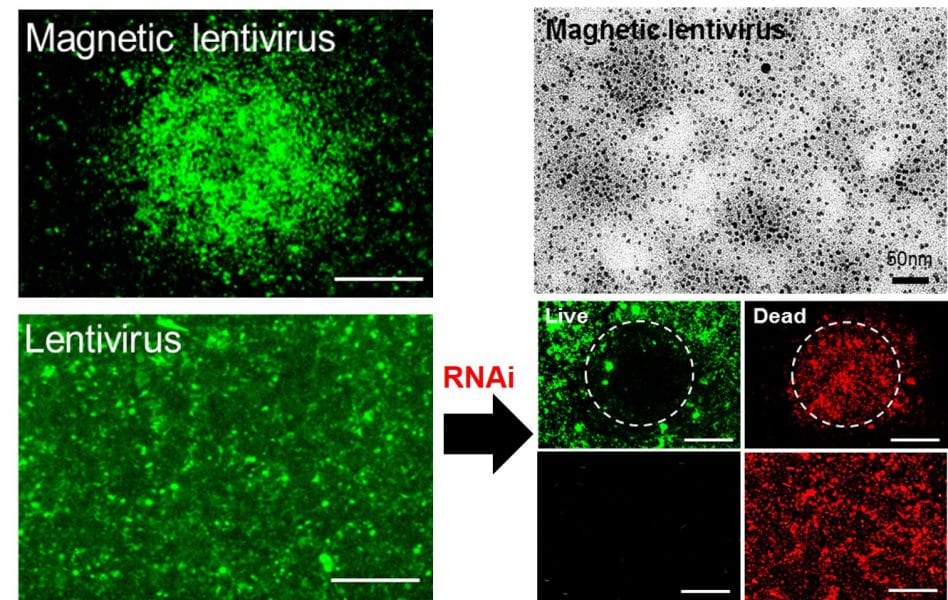
A team of researchers from National Sun Yat-sen University report on microscale RNA interference using iron oxide nanoparticle-modified lentivirus.

A new broad scope journal dedicated to publishing data-driven, scientifically rigorous findings at every stage of basic, translational, clinical and interdisciplinary research in cancer development, progression, treatment, care and outcome.
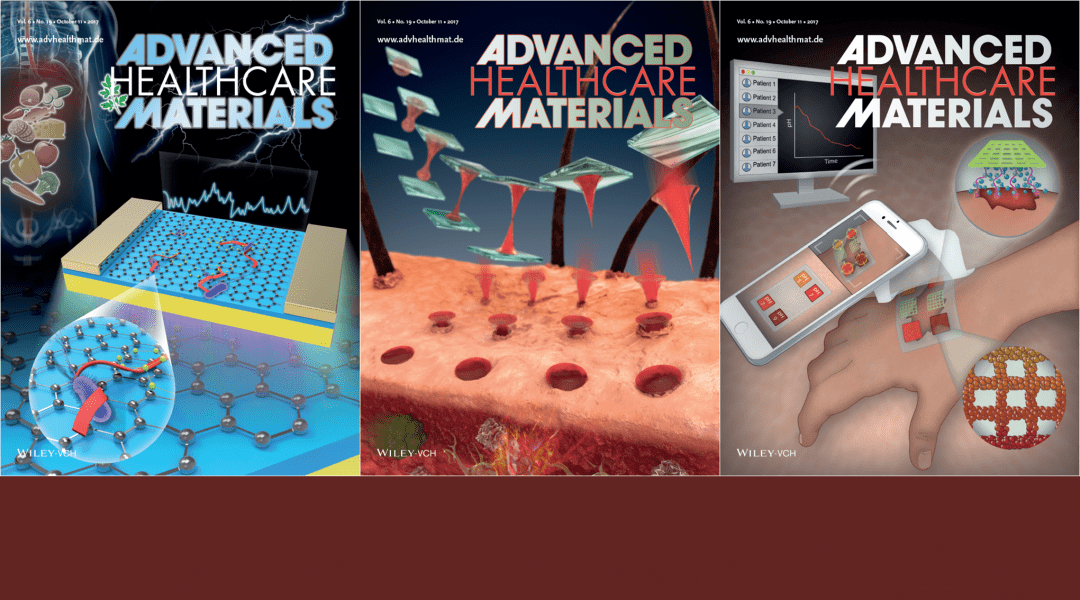
This week’s Advanced Healthcare Materials covers.
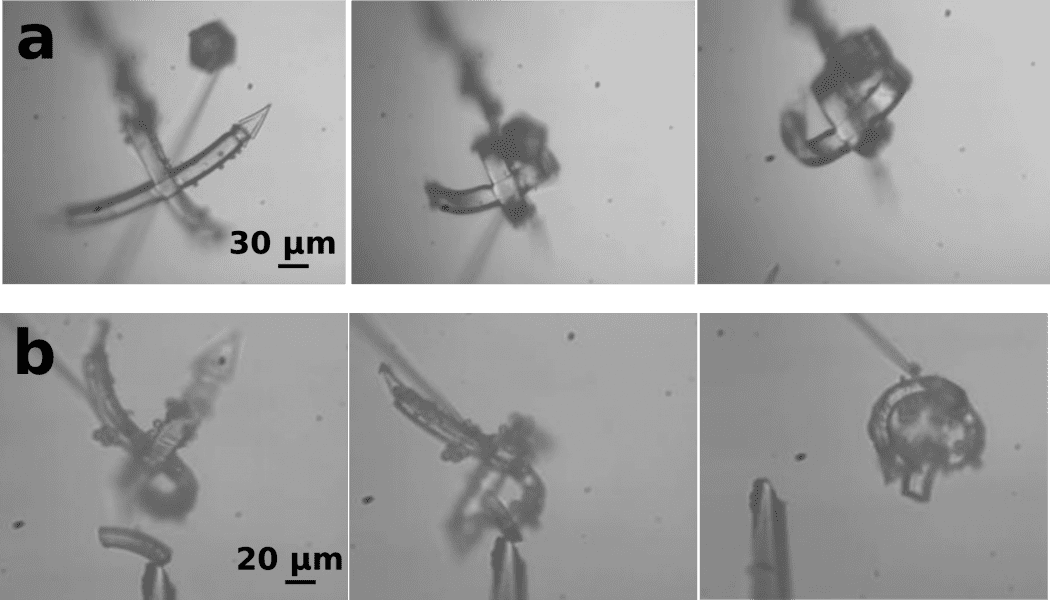
A microscopic light-fueled microhand designed to capture microscopic objects.


 Micron-sized hidden dimensions could solve two of physics’ deepest puzzles
 Turning Periods into Power: Menstrual Blood a Valuable Resource for Medical Diagnostics
 Surfactants Steer Supraparticle Structure
 Bone loss in obesity traced to gut microbiota
 Edible electronics realize safe, complex monitoring devices
 Fermilab Confirms Muon g-2 Measurements