Multipartite designer nanoparticles are formed from the phage lambda decoration protein and can be used in a variety of theranostic applications.


Multipartite designer nanoparticles are formed from the phage lambda decoration protein and can be used in a variety of theranostic applications.

DNA conformation can regulate gene expression, as discussed by Olga Zaytseva and Leonie Quinn in a review in BioEssays.

Cilia-inspired smart surfaces that sweep micro/nanometer-scale substances in a desired direction could inspire future drug-delivery systems and medical technologies.

Precision micromanufacturing of electrospun microfibers can create 3D scaffold structures which support the growth of tessellated microtissues.
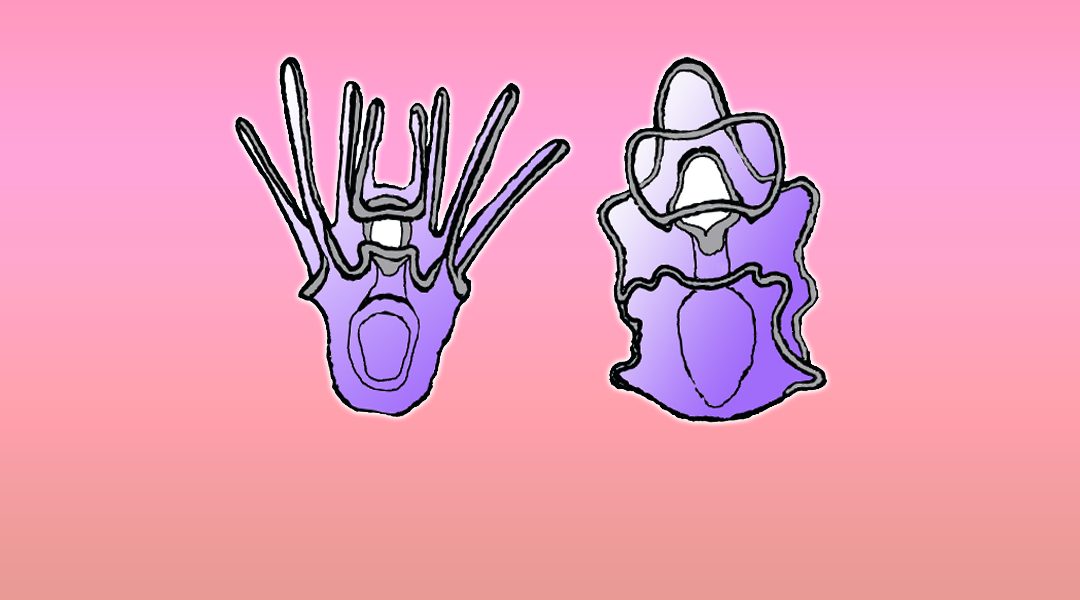
Genomics, and molecular and cellular biology have recently revealed fundamental similarities between embryonic nervous system development in echinoderms and vertebrate neural development, suggesting a common origin for the nervous systems of all animals.

Robust electronic skin by utilizing supramolecular chemistry to produce a tough, self-healing elastic material.

Special Issue: Biochemistry of Protein‐Protein and Protein‐Lipid Interactions: Applications to Biotechnology

A new international journal covering innovations in the science & engineering that underlie medical devices and medical sensors now accepting submissions.

Nerve agents take various forms, including in powder and gas forms, but they tend to be liquids. Researchers look at how long nerve agents tend to stick around on various surface types.

This Special Issue is a collection of seven review articles that summarize the most recent resveratrol and pterostibene research.
 New theory suggests gravity is not a fundamental force
 Higgs boson may be driving the Universe’s expansion
 Water-powered gadgets may be on the horizon thanks to new evaporation-based energy device
 Scientists discover a new class of antibiotics
 Micron-sized hidden dimensions could solve two of physics’ deepest puzzles
 A new type of dark matter could explain mysterious radiation from the Milky Way’s core