Enzymatic etching used to build nano- and microscale surface topologies.
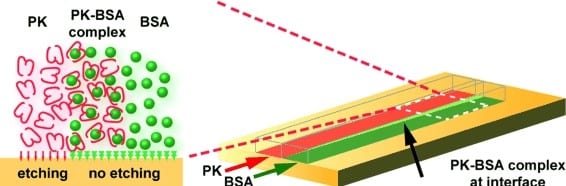

Enzymatic etching used to build nano- and microscale surface topologies.
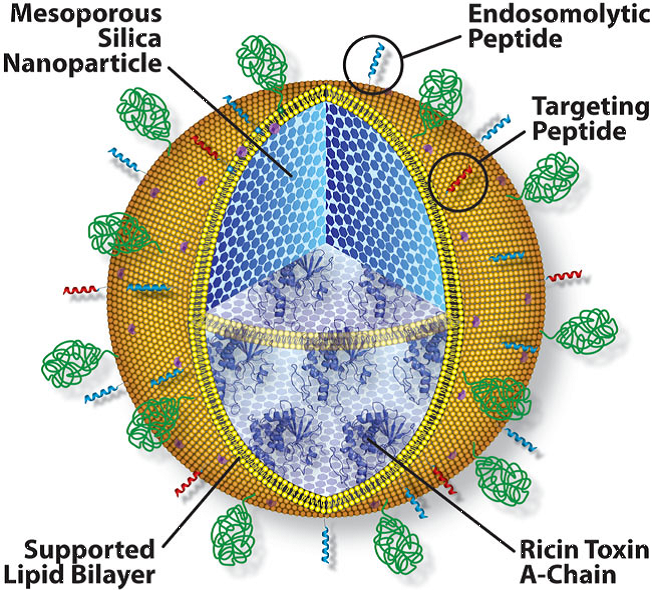
A new hybrid nanoarchitecture has been developed to allow the use of protein toxins such as ricin in cancer treatment.
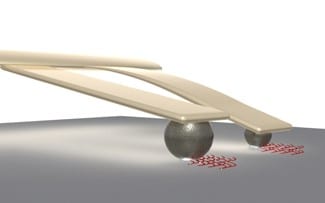
Researchers from North Carolina State University have developed a new nanolithography technique that is less expensive than other approaches and can be used to create technologies with biomedical applications.
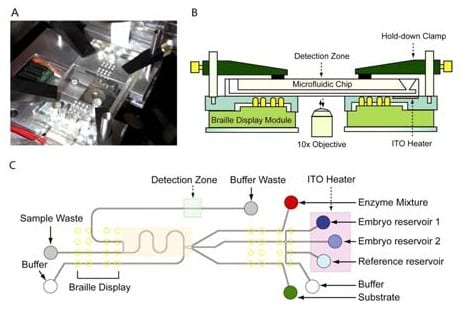
Lab-on-a-chip method, when combined with biophotonics, can be used to assay for metabolites, to separate gametes via optoelectrical tweezers, or to improve the vitrification of oocytes.
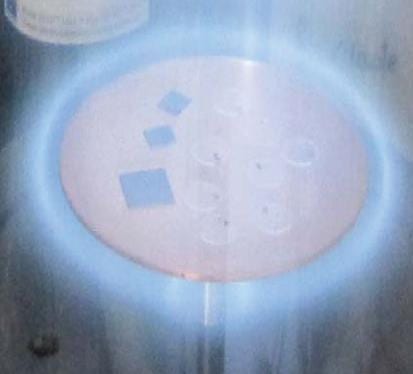
Plasma polymerization technique is used to modify the surface of a biologically inert substrate for the purpose of enhancing cell adhesion.
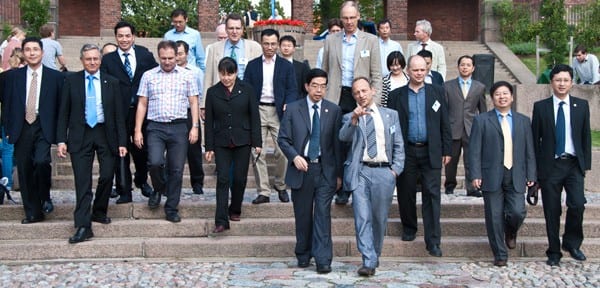
A signing ceremony marking the official start of a far-reaching new collaboration in biomedicine and biotechnology research and education between the KTH Royal Institute of Technology and China’s Shanghai Jiaotong University (SJTU).
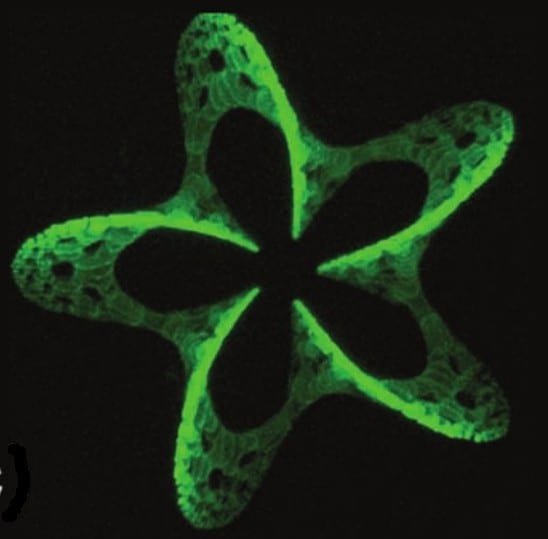
A new method developed at the Vienna University of Technology can be used to grow biological tissue or to create micro sensors.
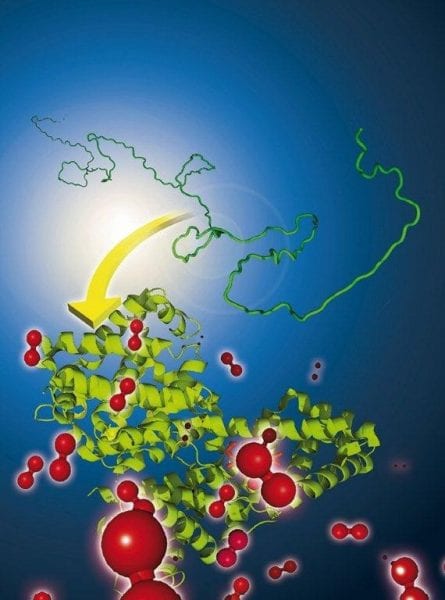
Nobel laureate Ahmed H. Zewail has summarized his insights into the physical backgrounds of protein folding.
Prof. Mishra’s group at Banaras Hindu University, India has exhaustively studied two specific reactions of hydroxyl and perhydroxyl radicals.
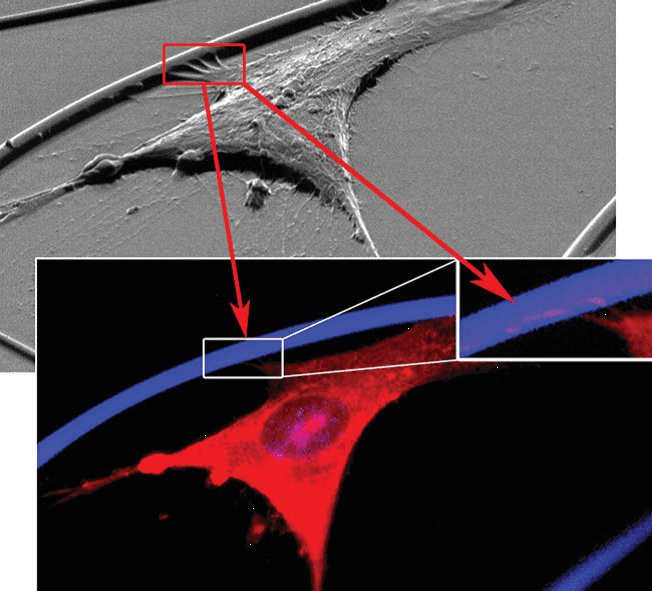
Researchers from Imperial College, London, have now developed a series of modified g-PGA polyester scaffolds for tissue engineering applications.
 French WEST reactor breaks record in nuclear fusion
 New theory suggests gravity is not a fundamental force
 Quantum entanglement visualized for the first time ever
 An anti-inflammatory peptide may hold the key to low-back pain relief
 “Cosmic vine” discovered by the James Webb Space Telescope
 Could a nuclear explosion set Earth’s atmosphere on fire?
 The Road to Better Presentation of Data: The Do’s and Don’ts
 The dramatic story behind general relativity’s Nobel Prize snub
 Calculating the true environmental costs of AI
 Ibuprofen’s effect on red blood cells: A prickly affair