Flexible graphene nano-inks with an excellent bioactivity pave the way for next generation biomedical applications.
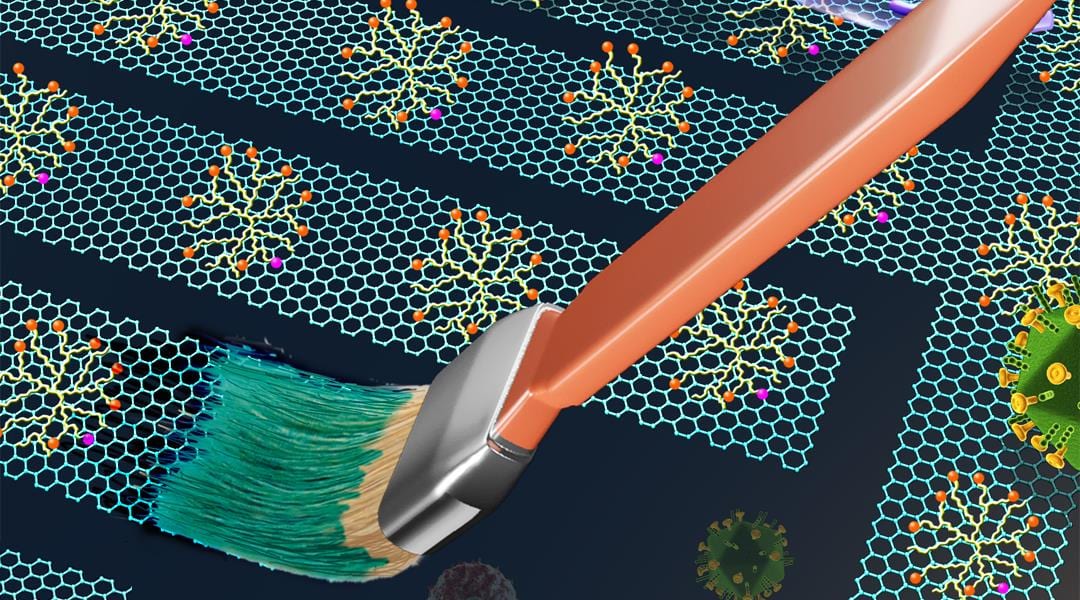

Flexible graphene nano-inks with an excellent bioactivity pave the way for next generation biomedical applications.

Metallized graphene inks open new directions in film patterning since dense ceramic films with the micro- and macrostructure of a graphene host were produced for the first time in Brown University

A nanocomposite possessing high NIR-transparency is developed, and shown to be applicable for NIR photography, security, and forensic-related applications.

Batteries from a variety of manufacturers are examined using high-speed X-ray imaging to determine their failure mechanisms during thermal runaway.
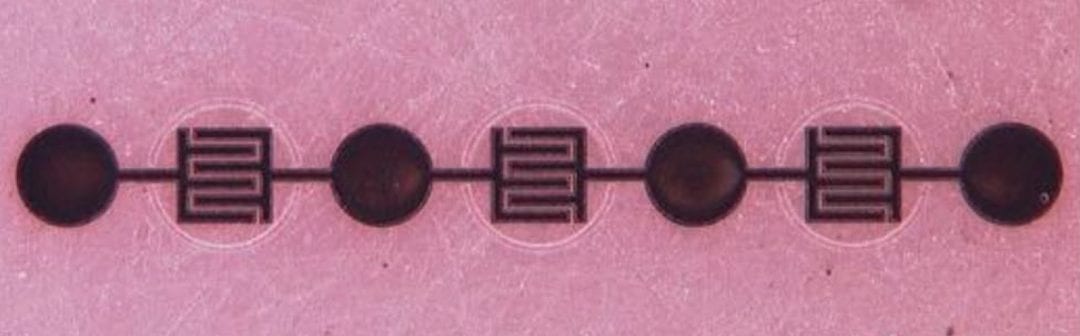
A new printing method produces flexible graphene microsupercapacitors with a planar architecture, suitable for integration in portable electronic devices.

Australian researchers have developed a promising new plasma treatment method to decontaminate and increase the shelf life of milk.

Via a bottom-up approach this research shows the production of scalable, stable InGaN nanowire photonic crystals for high efficient LEDs.
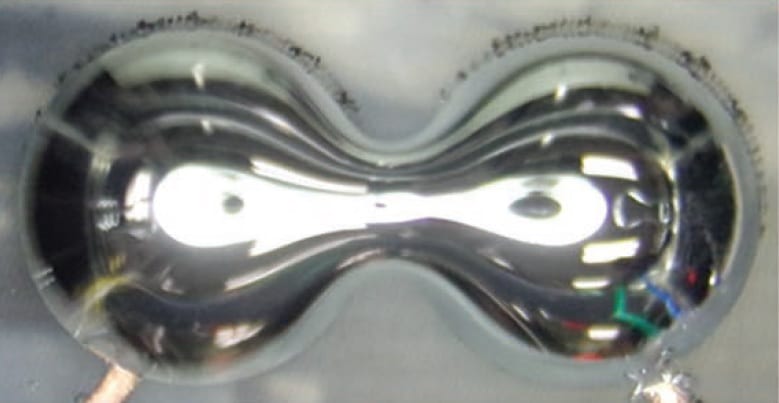
Exploiting electrochemistry to gain control over the interactions of liquid metal droplets enables reversible switching for soft circuitry.

Dr. Marta Mas-Torrent and her team are developing high-performance electrolyte-gated field-effect transistors (EGOFETs), electronic devices capable of working in an aqueous environment.
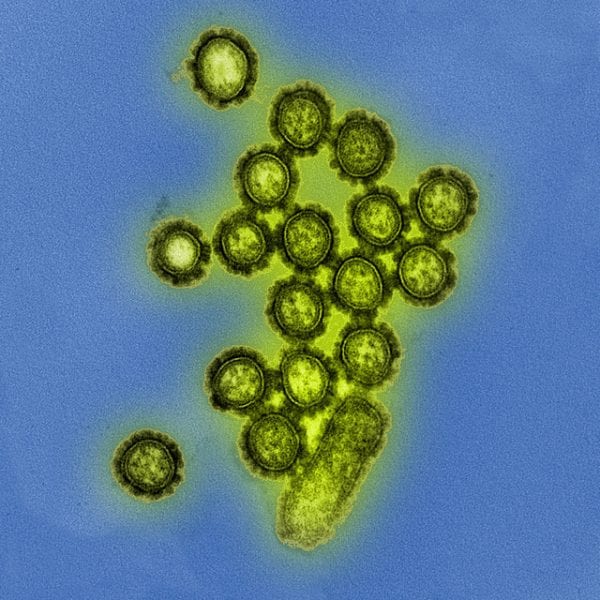
Polymeric nanoparticles acting as intracellular ROS regulators show promise as antiviral agents in influenza-infected kidney cells.

 Micron-sized hidden dimensions could solve two of physics’ deepest puzzles
 Turning Periods into Power: Menstrual Blood a Valuable Resource for Medical Diagnostics
 Surfactants Steer Supraparticle Structure
 Bone loss in obesity traced to gut microbiota
 Edible electronics realize safe, complex monitoring devices
 Fermilab Confirms Muon g-2 Measurements