This years’ EUROMAT2017 conference took place in Thessaloniki, Greece, 17-22 September.


This years’ EUROMAT2017 conference took place in Thessaloniki, Greece, 17-22 September.
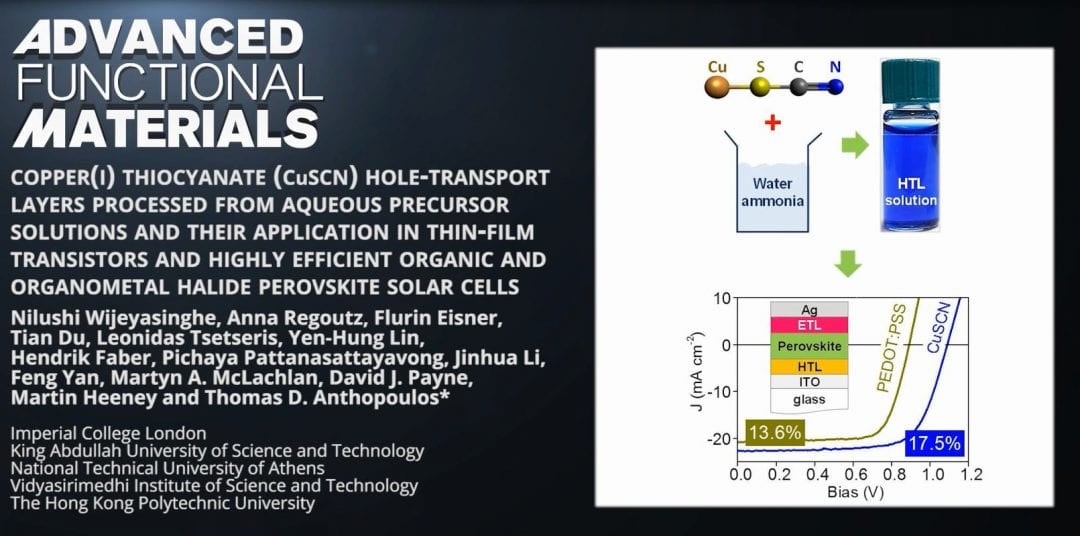
Thomas D. Anthopoulos and colleagues report a simple, environmentally-friendly processing method for copper(I) thiocyanate (CuSCN), a next-generation hole-transport layer (HTL) for organic and hybrid perovskite solar cells. The power conversion efficiency reaches 17.5%—a remarkable improvement over conventional polymer HTLs.

University of Waterloo researchers develop a bifunctional oxygen electrocatalyst based on graphene that can recharge zinc-air batteries more efficiently.

Instead of hauling food waste to landfills, we might want to use that organic waste to produce power while at the same time potentially helping the environment.
The slow kinetics of the oxygen evolution reaction require new catalyst research like this to make water splitting systems commercially viable.
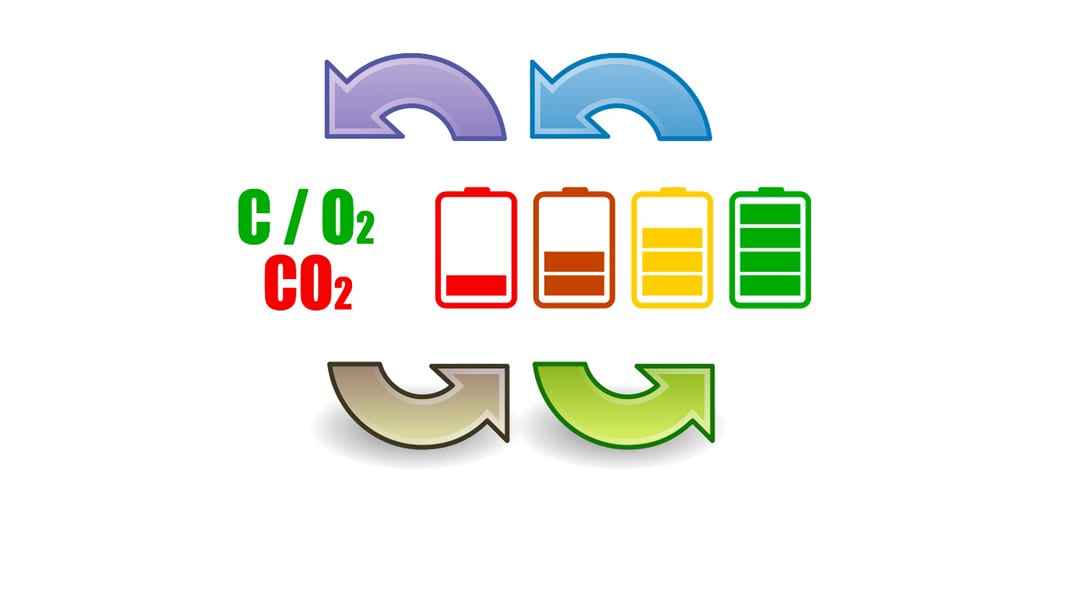
Of interest to the field of CO2 utilization is the adaptation of the above described energy storage system into one capable of fixing CO2 into a useful product, in this particular case carbon.
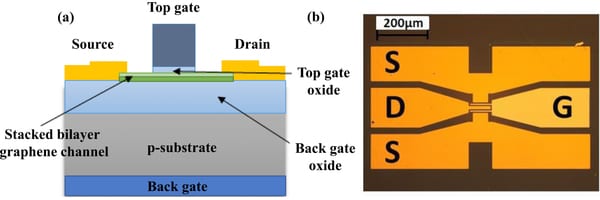
Performance enhancement in individual field effect transistors (FETs) fabricated using artificially stacked graphene double-layers (bilayers).
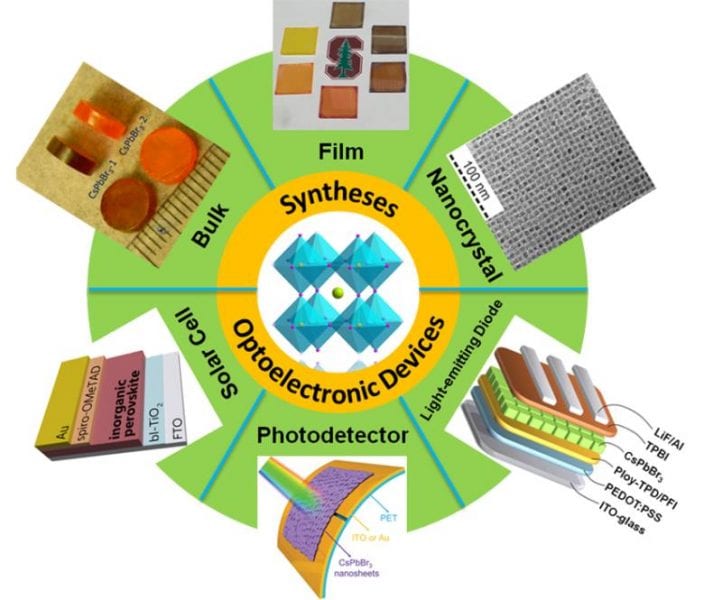
An outline of the recent progress in the syntheses of IMH perovskites is provided.
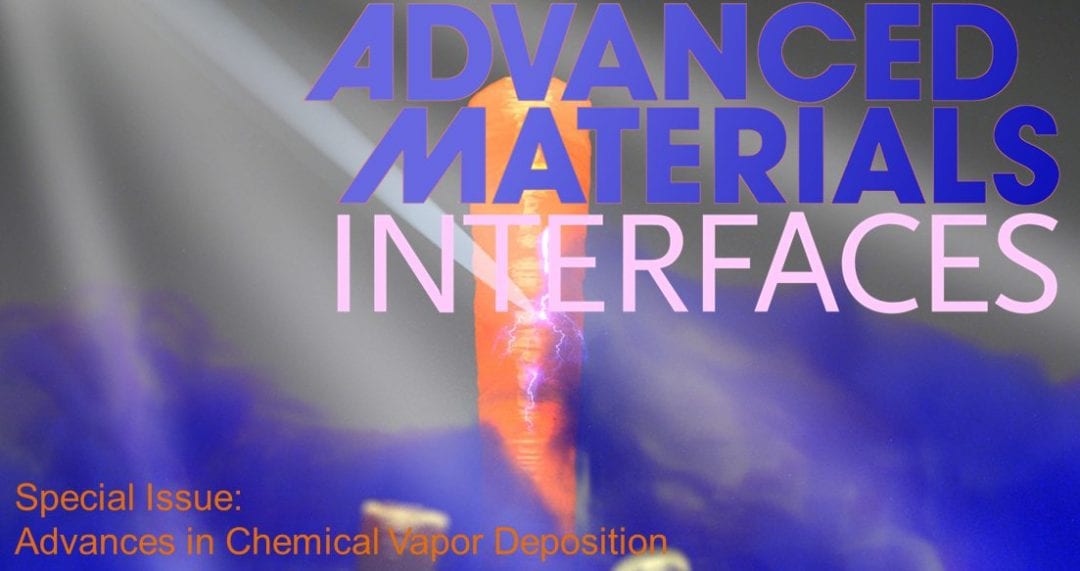
A new Special Issue entitled “Advances in Chemical Vapor Deposition” is published in Advanced Materials Interfaces in recognition of Professor Michael L. Hitchman

Is the electrification of the global fleet of automobiles and trucks truly a panacea for curbing greenhouse gas emissions, stabilizing global warming and ameliorating climate change or, rather, is it merely a way of shifting the problem from conventional internal combustion to electric vehicles?
 New theory suggests gravity is not a fundamental force
 Higgs boson may be driving the Universe’s expansion
 Water-powered gadgets may be on the horizon thanks to new evaporation-based energy device
 Scientists discover a new class of antibiotics
 Micron-sized hidden dimensions could solve two of physics’ deepest puzzles
 A new type of dark matter could explain mysterious radiation from the Milky Way’s core