Where pneumococcal vaccination rates are high, COVID-19 cases are low and vice-versa.
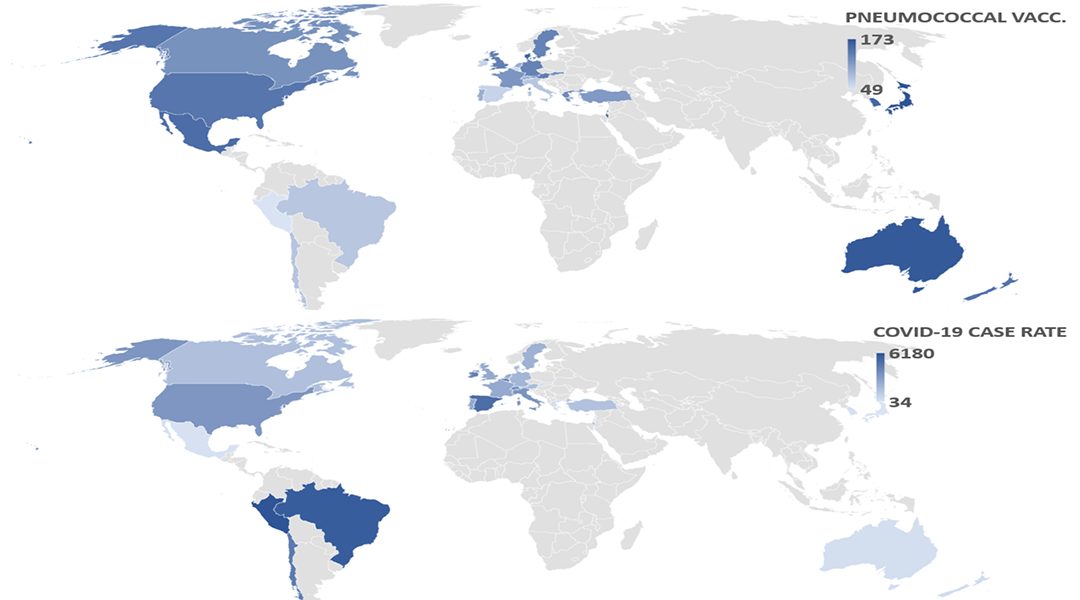

Where pneumococcal vaccination rates are high, COVID-19 cases are low and vice-versa.

Who were the vikings and where did they come from? Sequencing of skeletons allows researchers to understand Vikings through their genetic legacy.
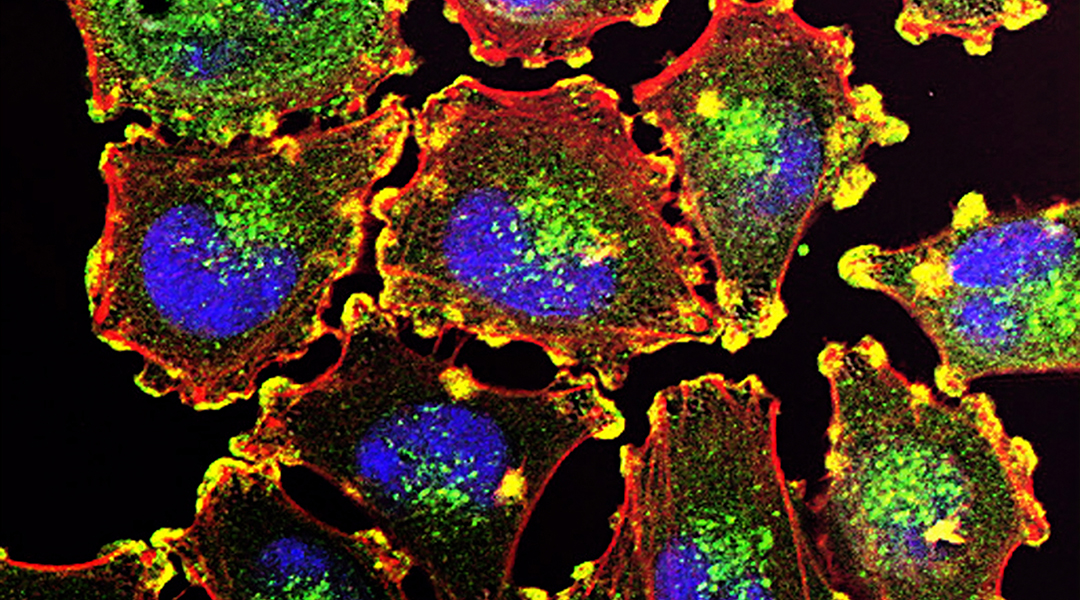
Light-activated proteins enable scientists to study and engineer subcellular structures for research and biotechnological applications.
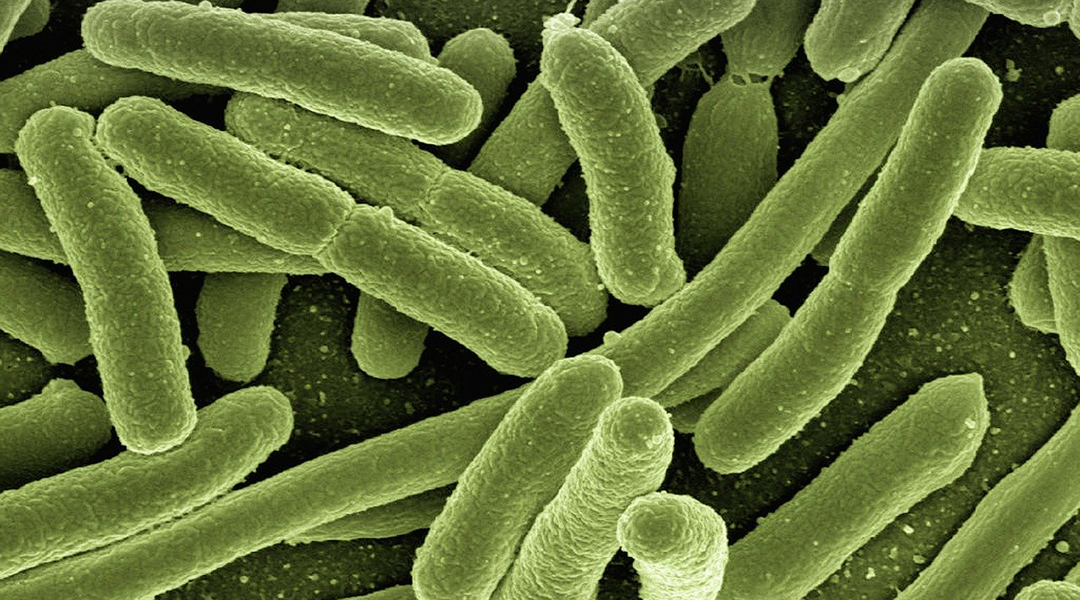
Similar to eukaryotes, prokaryotic cells can spatiotemporally regulate localization of RNAs, which is crucial for the survival and proper function of these tiny organisms.
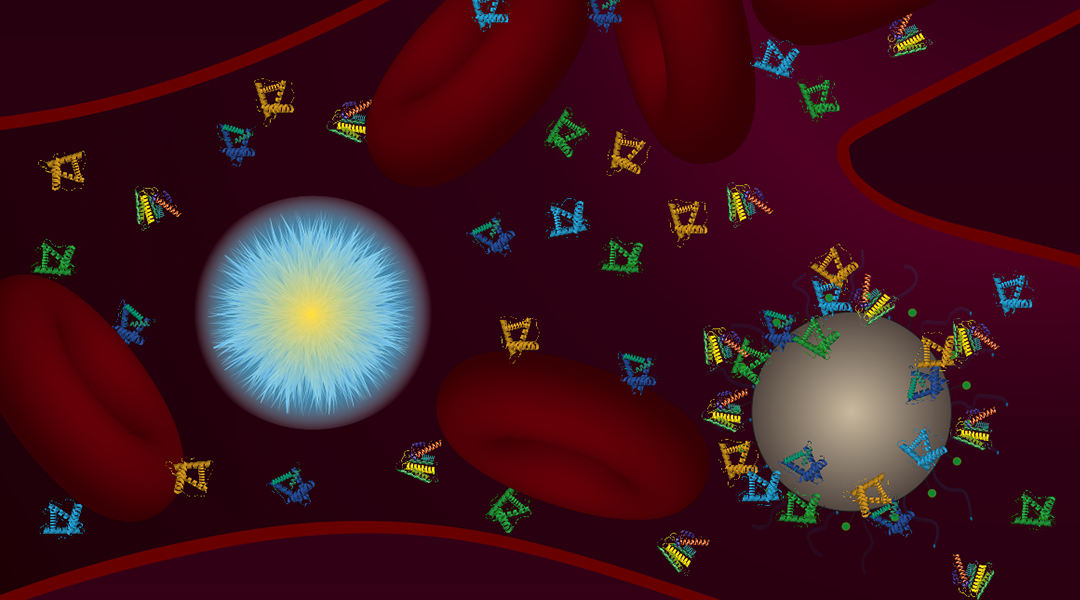
It seems that not all nanoparticles attract a protein corona.
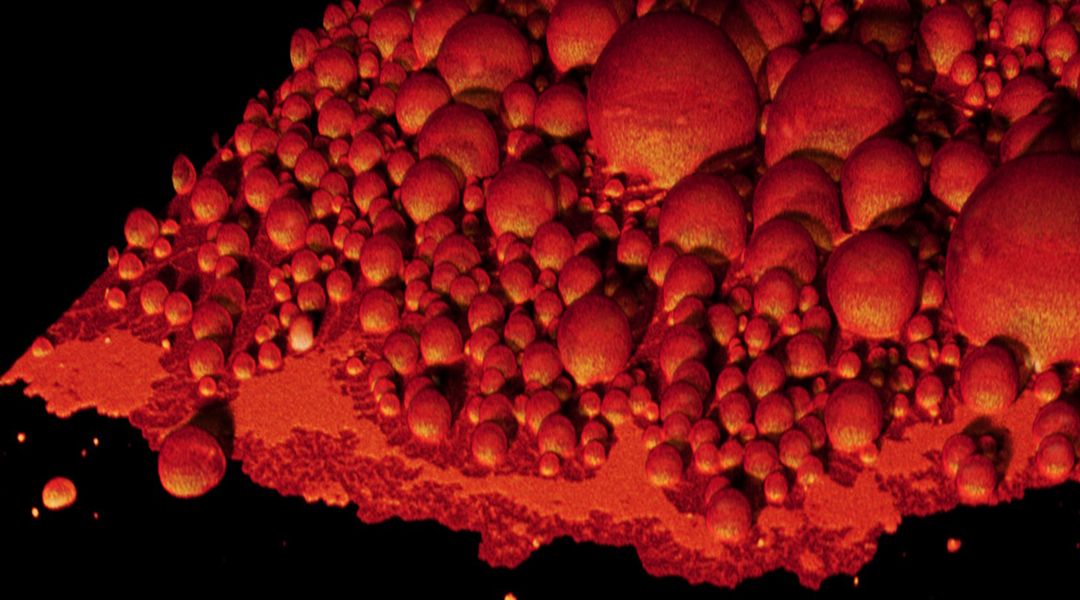
Researchers shed light on the conditions that could have led to our abiogenesis by simulating the rapid growth and fusion of protocells.
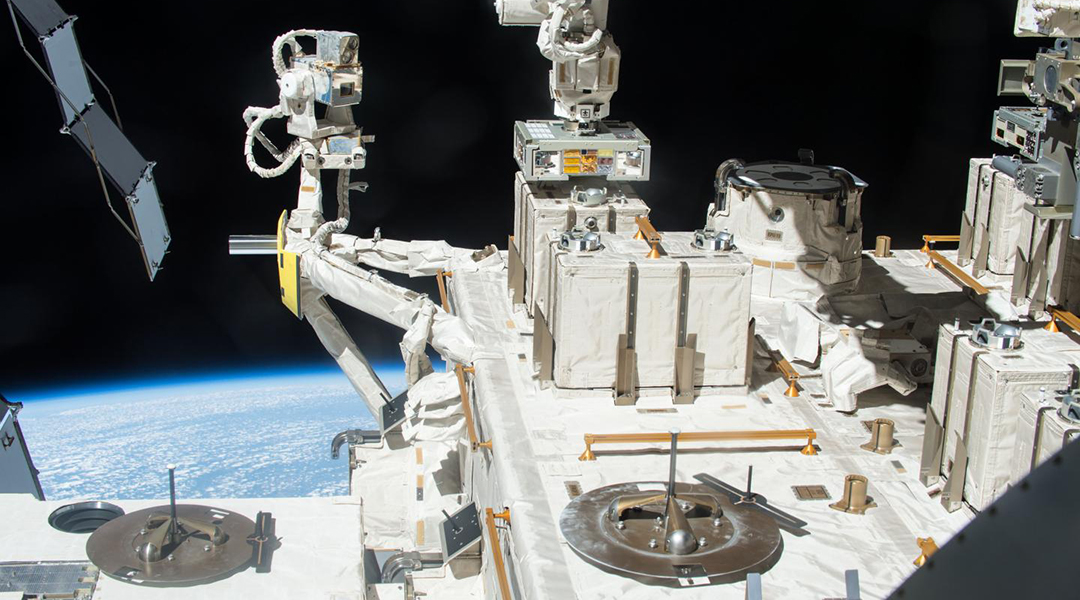
New study provides the best estimate to date that bacteria could survive a trip to Mars.
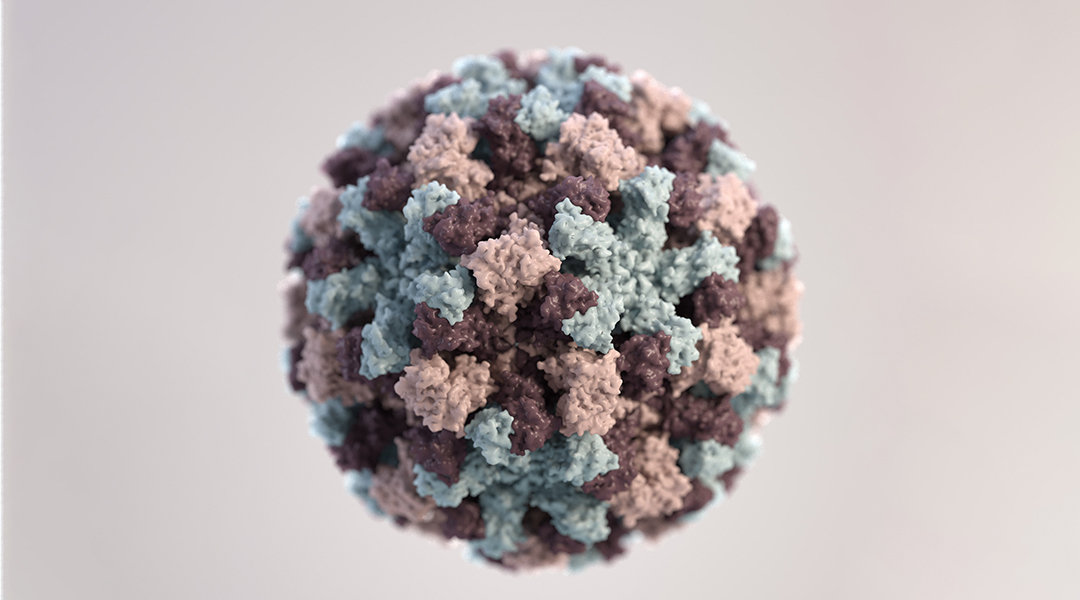
Researchers explore the different mechanisms viruses have evolved to effectively seize host cell ribosomes, and the role they play in the virus’ life cycle.
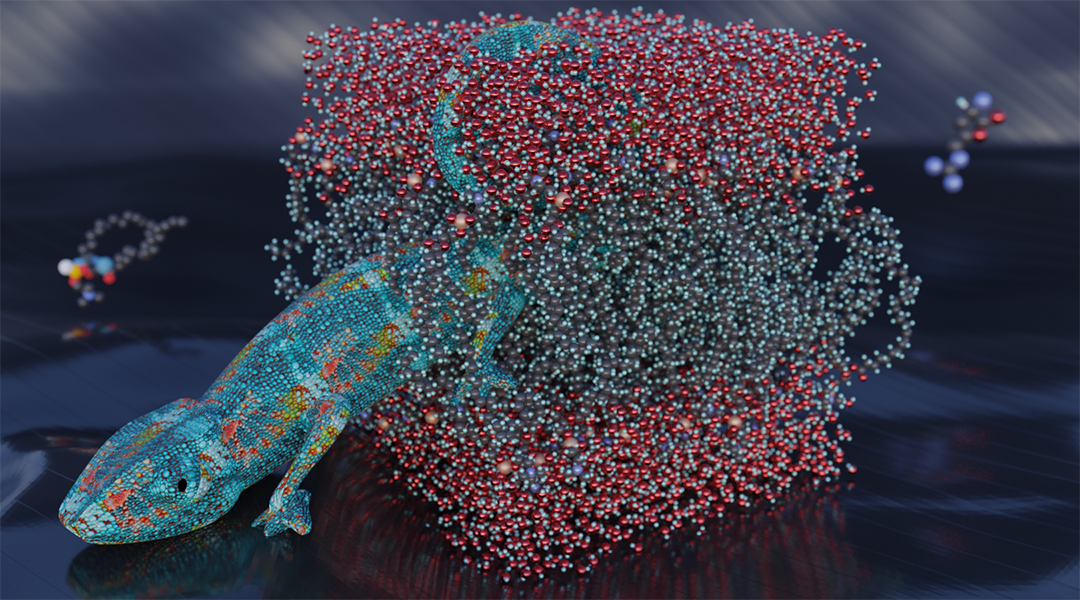
Computational methods allow researchers to delve deeper into molecular processes, beyond what can easily be achieved with current experimental techniques.

RNA “sandwiches” perform crucial roles in a range of bacterial metabolic pathways.
 New theory suggests gravity is not a fundamental force
 Higgs boson may be driving the Universe’s expansion
 Water-powered gadgets may be on the horizon thanks to new evaporation-based energy device
 Scientists discover a new class of antibiotics
 Micron-sized hidden dimensions could solve two of physics’ deepest puzzles
 A new type of dark matter could explain mysterious radiation from the Milky Way’s core