AU College of Engineering and Computer Science researchers use flow visualization to qualitatively test facemasks and social distancing.



AU College of Engineering and Computer Science researchers use flow visualization to qualitatively test facemasks and social distancing.

After nearly four years with us, we wish her well in the future.
SARS-CoV-2 can survive the human digestive tract, and new research shows that flushing toilets could be a means of transmitting the virus.

A new study estimates that one in five people worldwide have an underlying health condition that could increase their risk of severe COVID-19 if infected.
Engineers find a neat way to turn waste carbon dioxide into useful materials for industrial products like fuel and plastics.
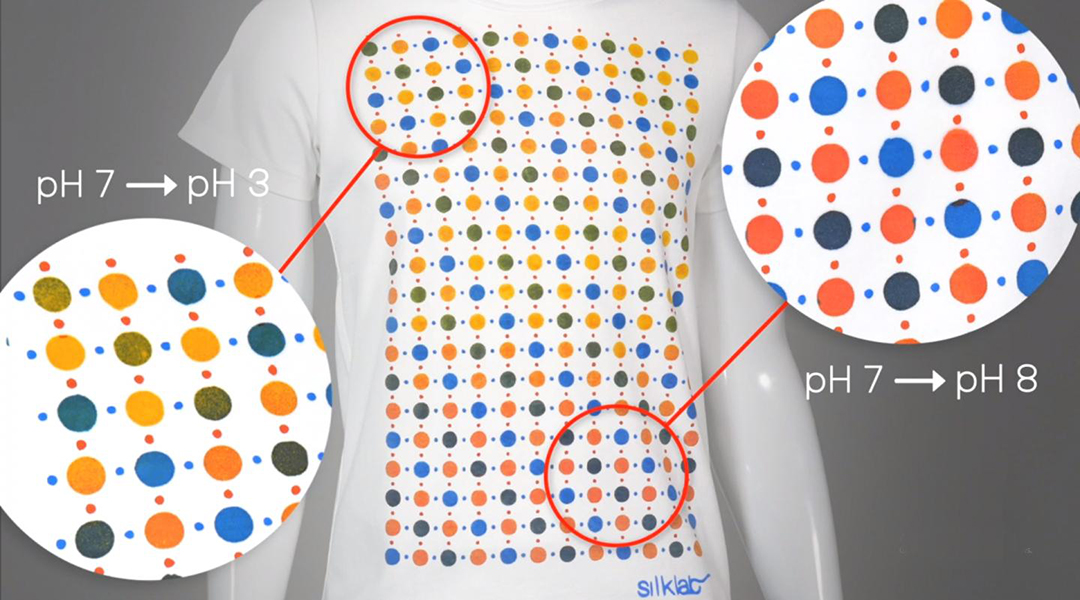
Bioactive inks printed on wearable textiles can map conditions over the entire surface of the body, including possible pathogens.
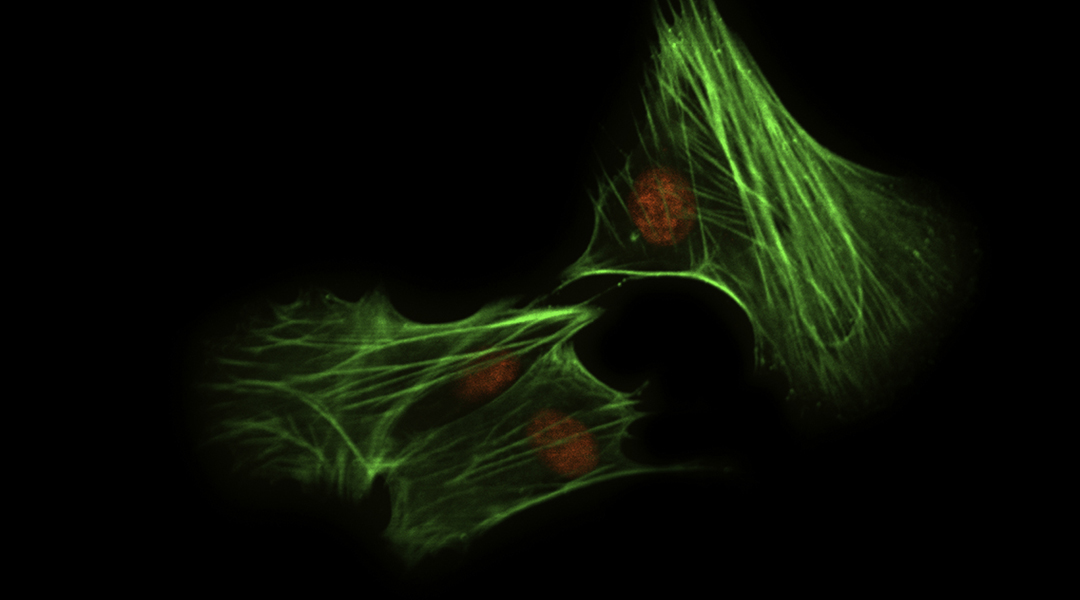
Scientists have developed a molecular shield that stabilizes near-infrared fluorescent dyes and enhances their functionality.
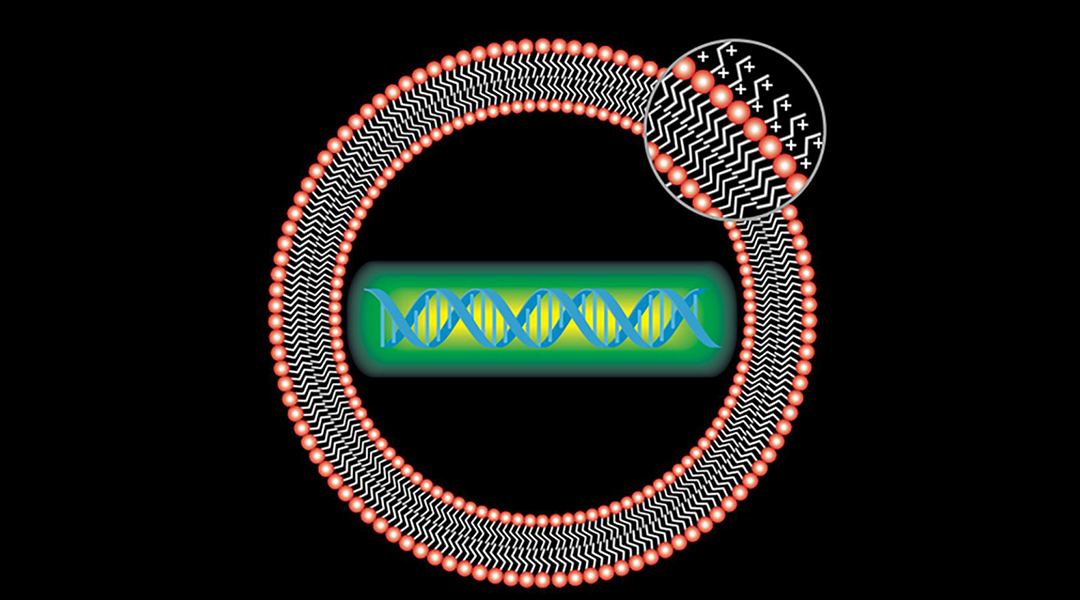
Lipitoids, which self-assemble with DNA and RNA, could serve as cellular delivery systems for antiviral therapies that prevent COVID-19 and other coronavirus infections.
From cracking eggs to plating the finished dish, a team of engineers have trained a robot to prepare omelettes that actually taste good.

A new filter structure that expands and contracts as moisture levels change provides the first steps in create humidity-responsive smart windows.