A tiny battery built into smart contact lenses produces its own power through eye blinking, relying on tears and oxygen to power its cells.
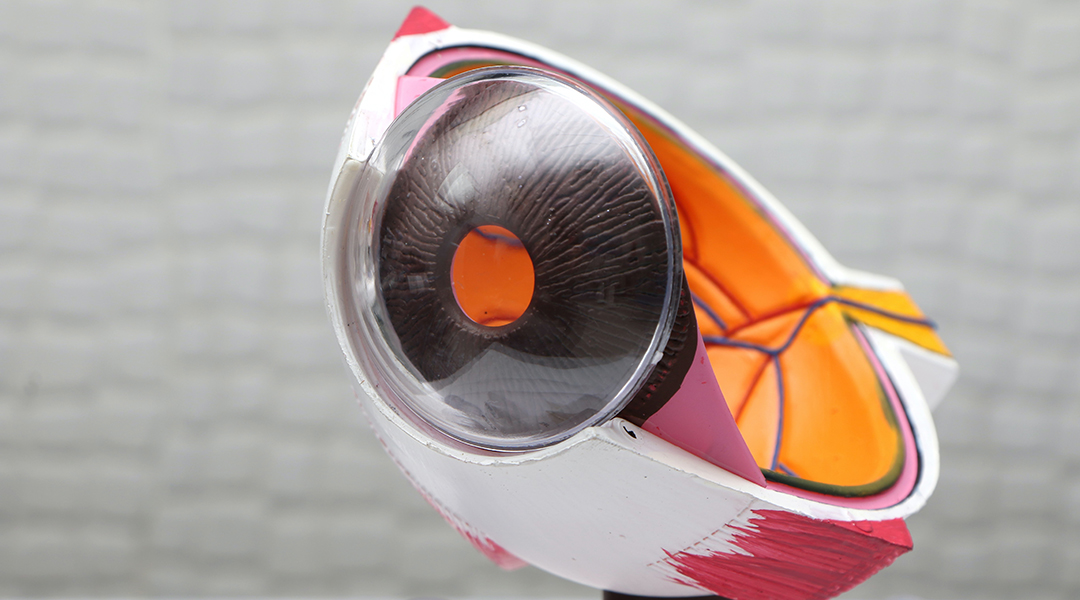

A tiny battery built into smart contact lenses produces its own power through eye blinking, relying on tears and oxygen to power its cells.
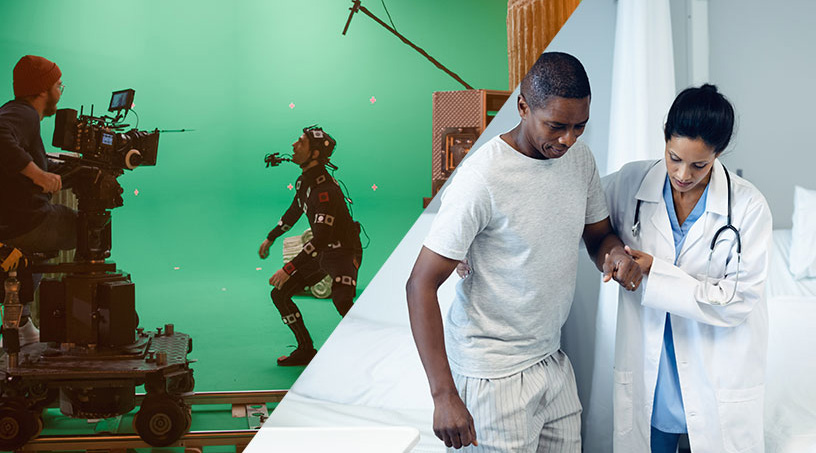
The Hollywood technology that brings impossible creations to life onscreen could bring better, fairer care to patients around the world.
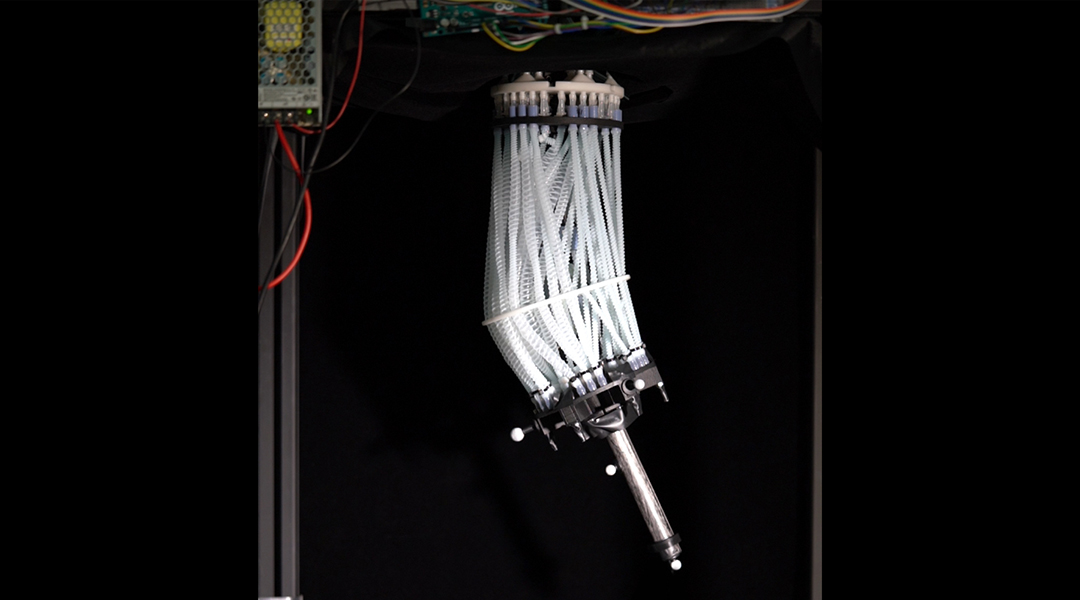
Using soft materials, researchers have developed a robot arm that mimics the rotational movement and structure of the shoulder.

The growing field of circadian biology is advancing our understanding of rhythms and represents a model of balance to help inform medicine.

Dehumidifying pendants, the origins of olfactory neurons, microspectrometers, and transforming cancer agents.
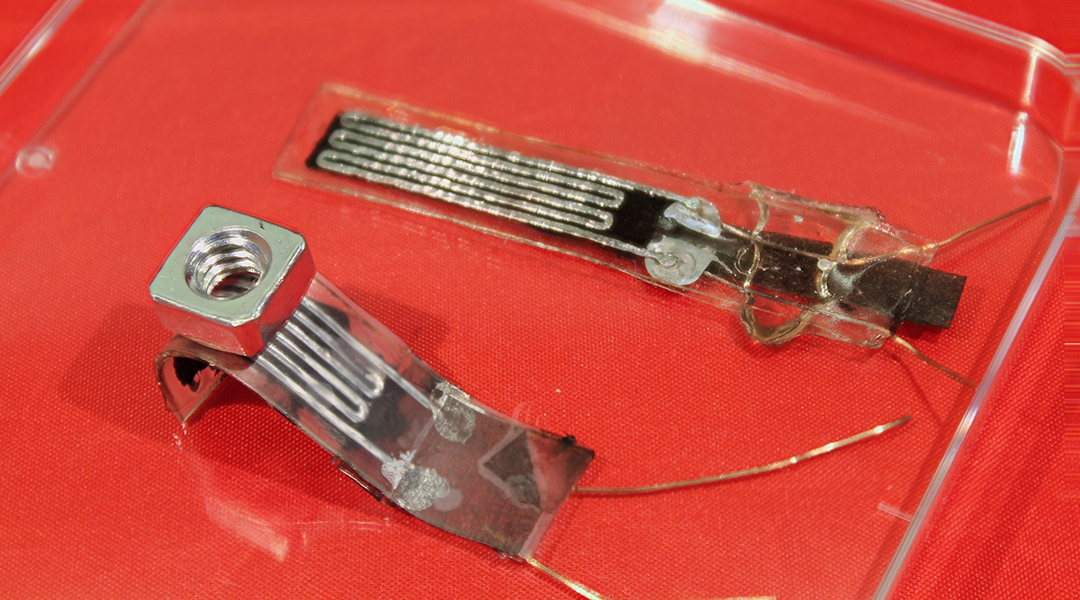
A new surface treatment enhances the adhesion of double-sided tape to make stickier tapes for soft electronics.
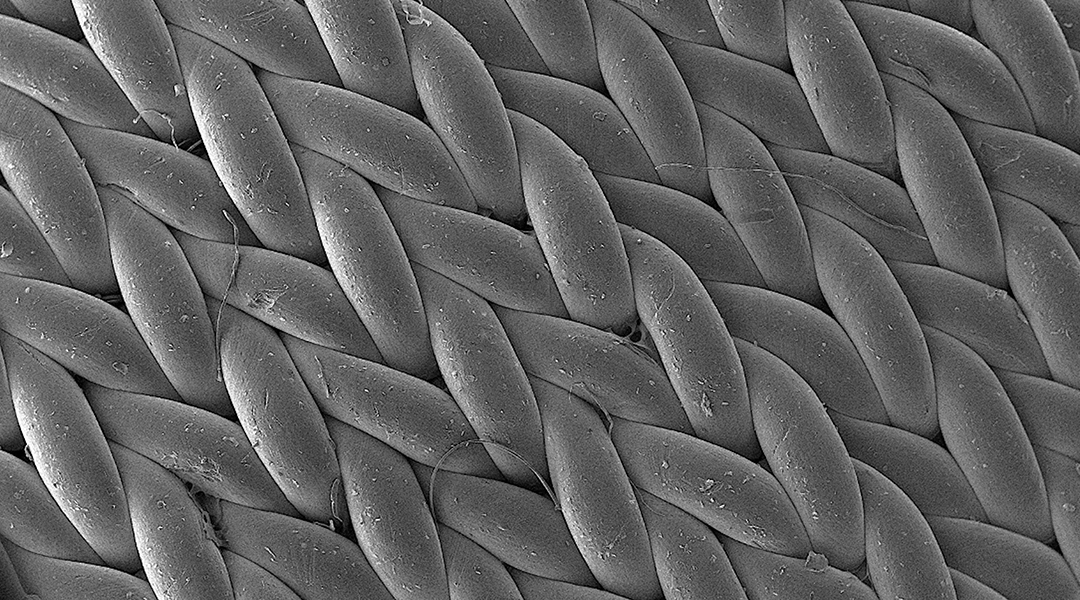
Wearable devices for health monitoring don’t have to be limited to just smart watches and fitness trackers.
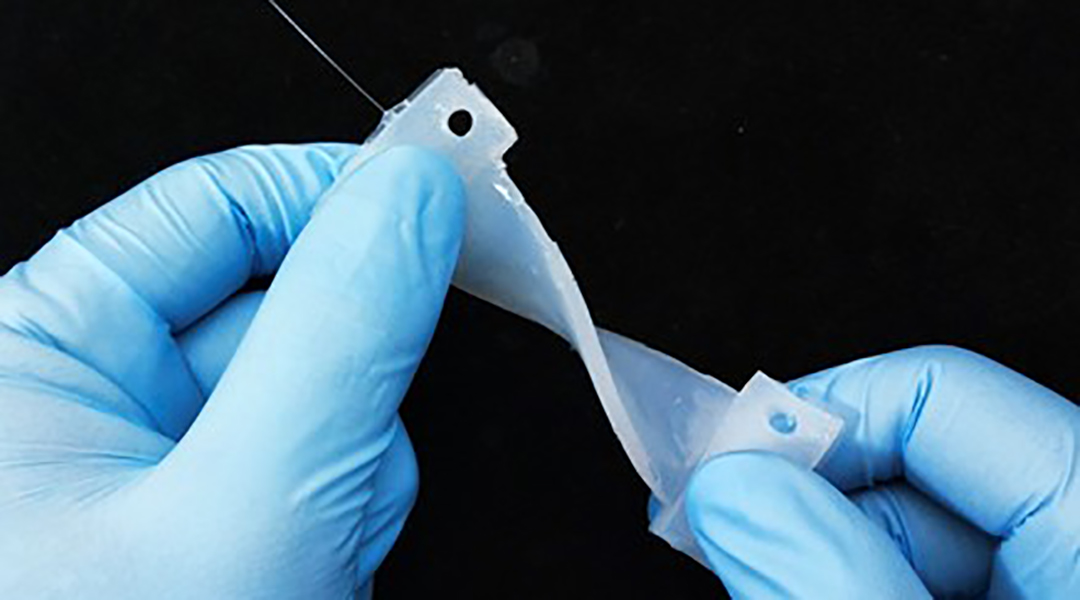
External strain can be detected by the wavelength and intensity of this sensor’s light signal for improved detection and resistance to interference.

Professor Madhu Bhaskaran creates devices to assess the biometrics of the human body and helps patients feel again.
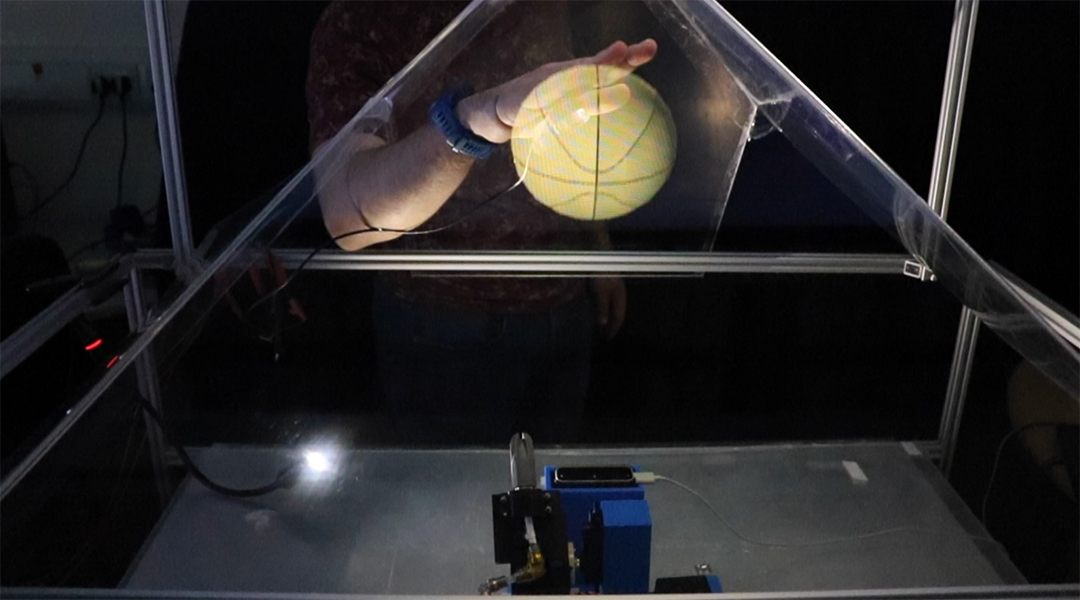
Researchers create a holographic system which users can freely and physically touch without the need for any intermediary devices.
 New theory suggests gravity is not a fundamental force
 Higgs boson may be driving the Universe’s expansion
 Water-powered gadgets may be on the horizon thanks to new evaporation-based energy device
 Scientists discover a new class of antibiotics
 Micron-sized hidden dimensions could solve two of physics’ deepest puzzles
 A new type of dark matter could explain mysterious radiation from the Milky Way’s core