Using bilayered graphene, physicists explore the possibility that our reality is only one half of a pair of interacting worlds.

Using bilayered graphene, physicists explore the possibility that our reality is only one half of a pair of interacting worlds.

The impact of virtual particles on accelerating objects in a vacuum has never been observed, and a new thought experiment aims to rectify this.
Gravitational waves produced by the phase transitions of matter right after the Big Bang could provide new insights into particle physics.

Researchers calculate the automation risk of almost 1000 existing occupations and provide alternatives based on skill set.

Decarbonizing the chemical industry is possible, provided decreases in the cost of solar energy and increases in LED efficiency continue.
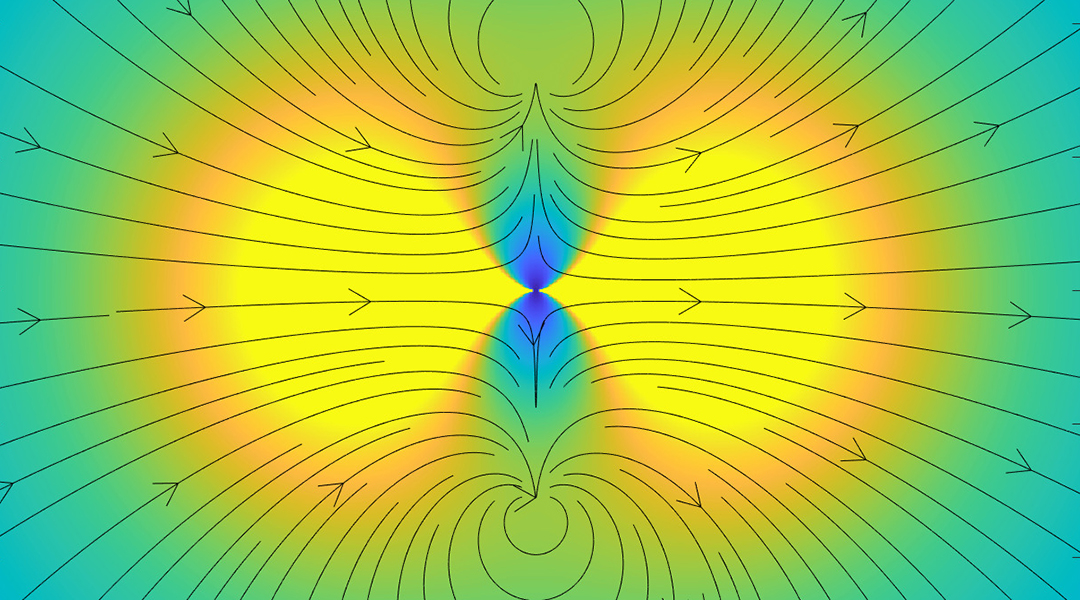
A new thought experiment explores the interface between quantum mechanics and general relativity using the transfer of information.
Scientists have turned to string theory to better understand black holes, proposing they can be modeled as “fuzzballs” made up of interacting strings.
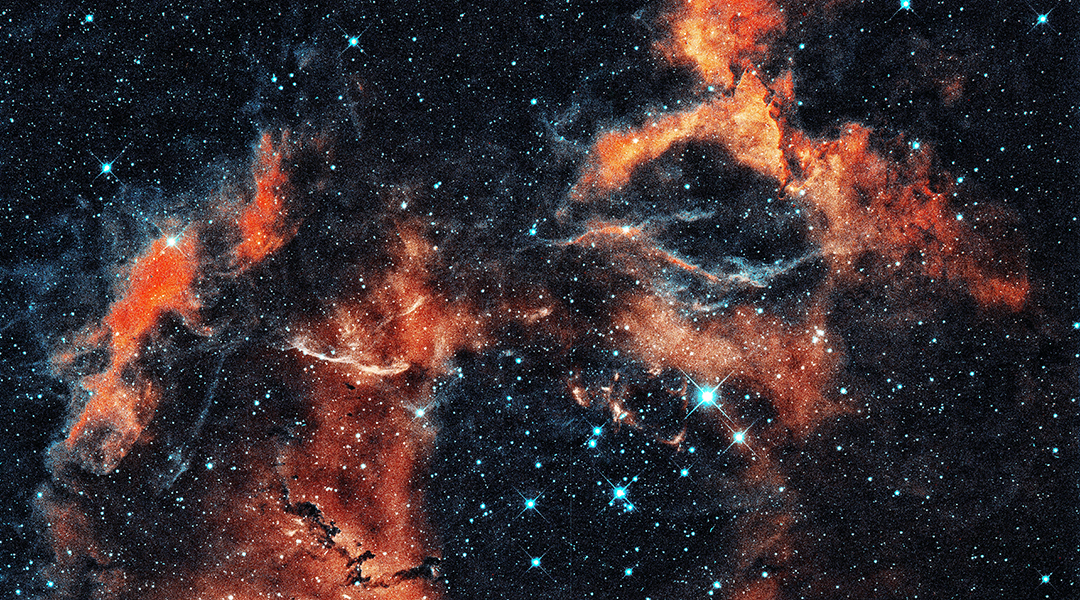
Using an artificial neural network and AI, researchers are developing a powerful computational tool to model particle physics following the Big Bang.
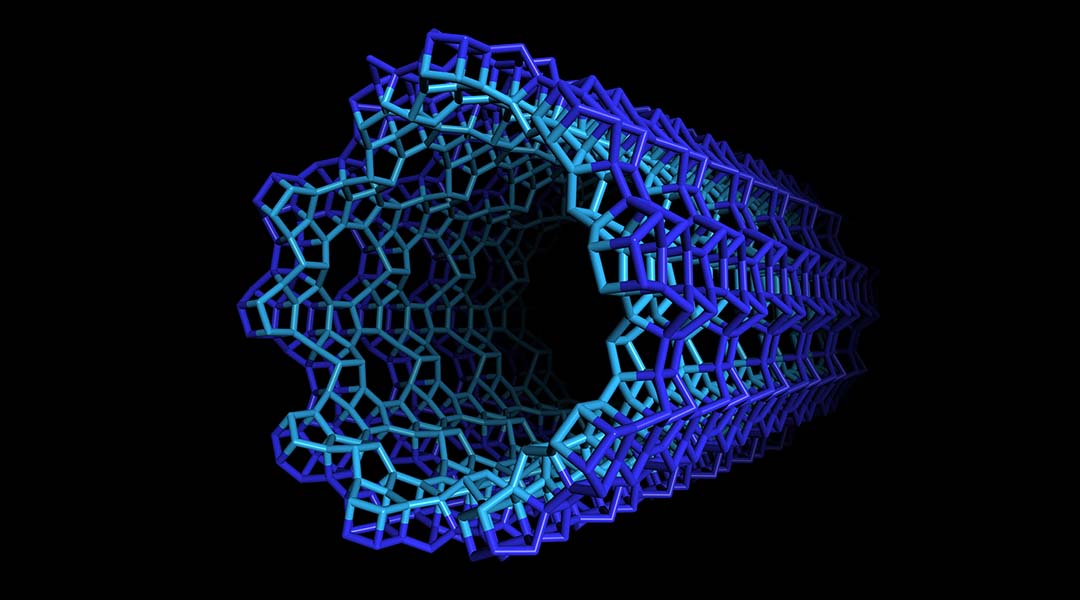
Nanotubes made from sheets of zeolite promise to expand this material’s already extensive range of application.
Exploring how scientists can develop efficient, solar-powered reactions to convert carbon dioxide to useful chemical feedstocks.

 Micron-sized hidden dimensions could solve two of physics’ deepest puzzles
 Turning Periods into Power: Menstrual Blood a Valuable Resource for Medical Diagnostics
 Immune resilience gene signature could hold the key to healthy aging
 Surfactants Steer Supraparticle Structure
 Bone loss in obesity traced to gut microbiota
 Edible electronics realize safe, complex monitoring devices