How seven ancient viruses ranging in age from 27,000 to 48,500 years were recovered from the Siberian permafrost, and what researchers hope to learn from them.
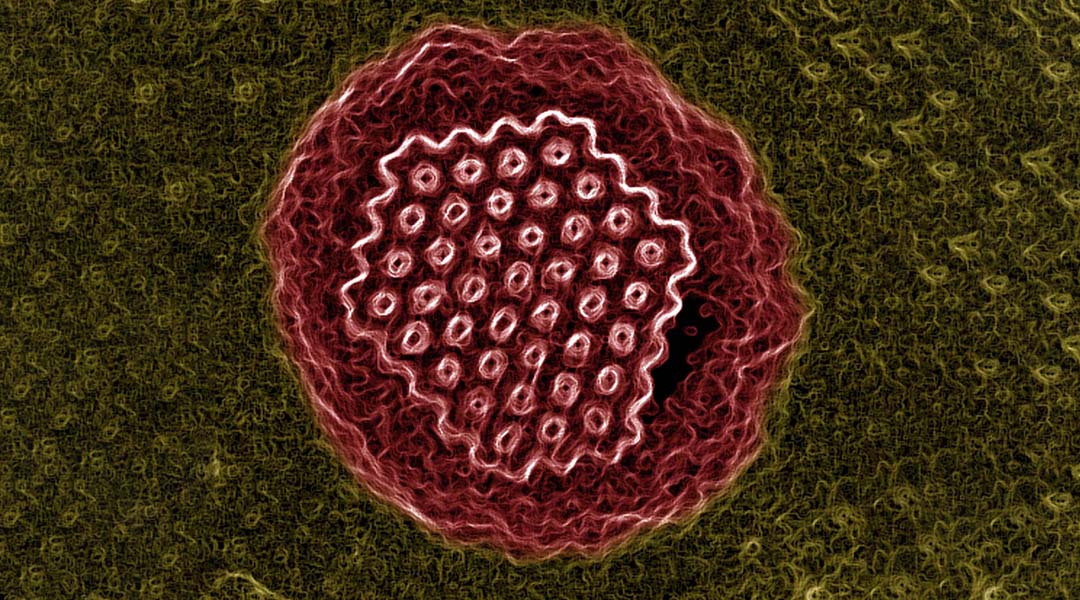

How seven ancient viruses ranging in age from 27,000 to 48,500 years were recovered from the Siberian permafrost, and what researchers hope to learn from them.
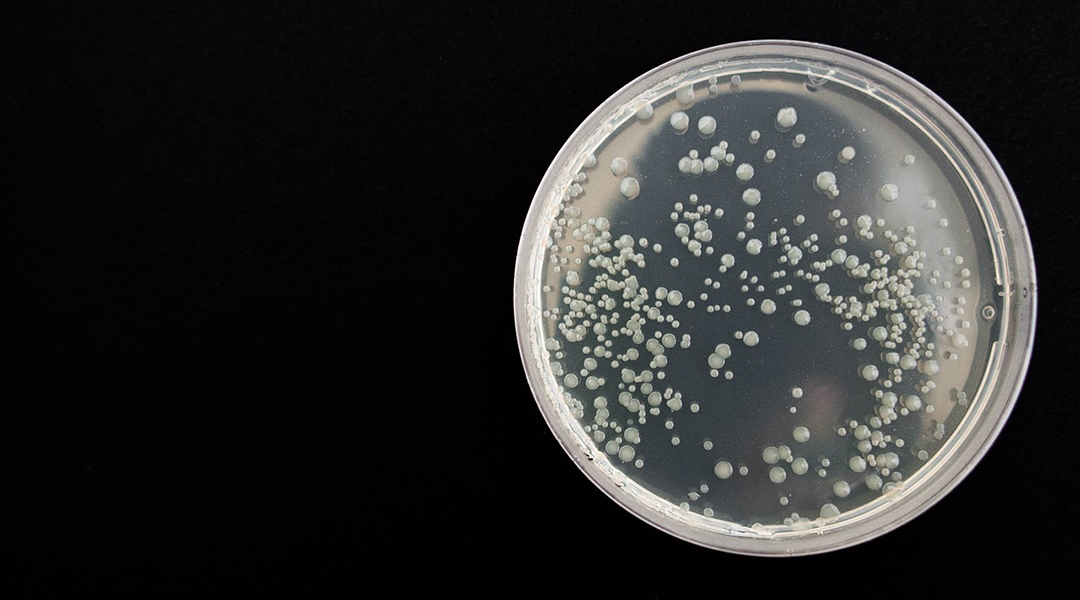
It is generally accepted that a community of beneficial bacteria make up the lung microbiome, but their origin and formation have remained unclear — until now.
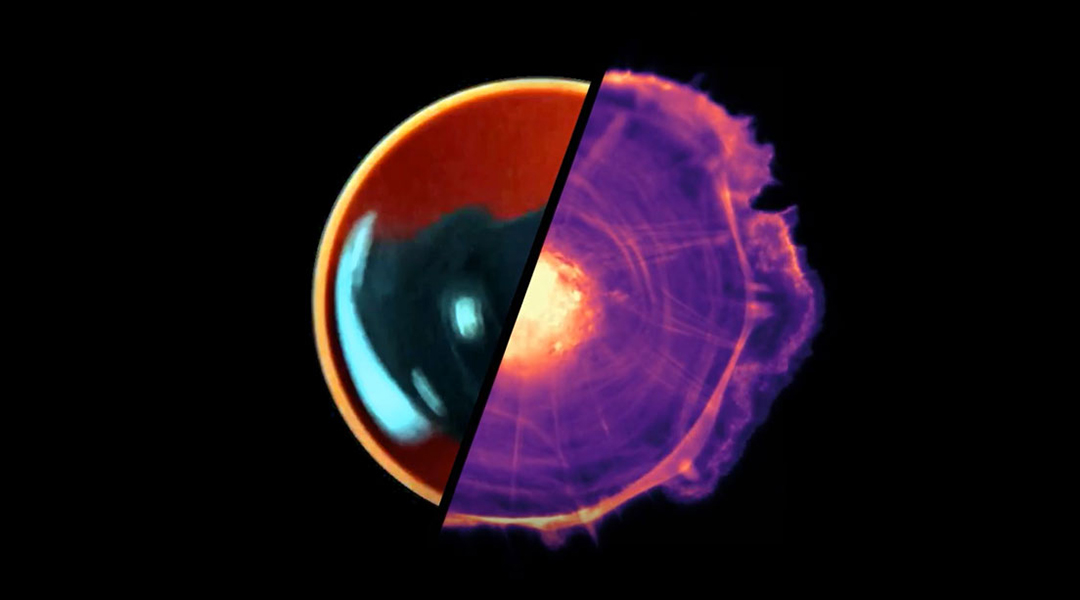
Experiments with cells and toys reveal fundamentals of synchronized movement in both inanimate objects and living groups.
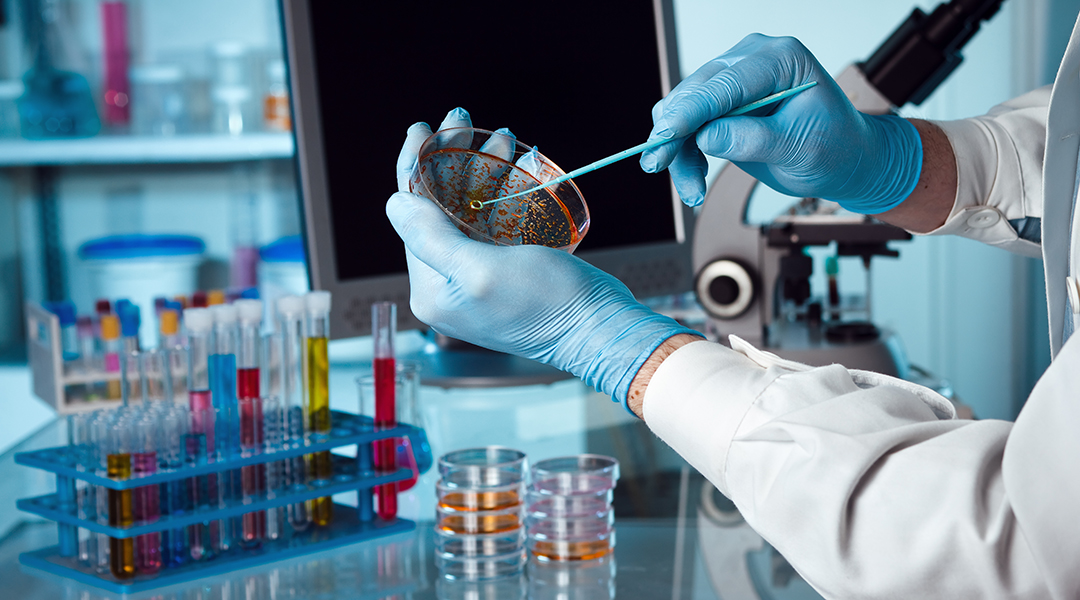
An extensive database will help scientists better understand the link between our gut microbiota and depression to inform new, tailored therapies.
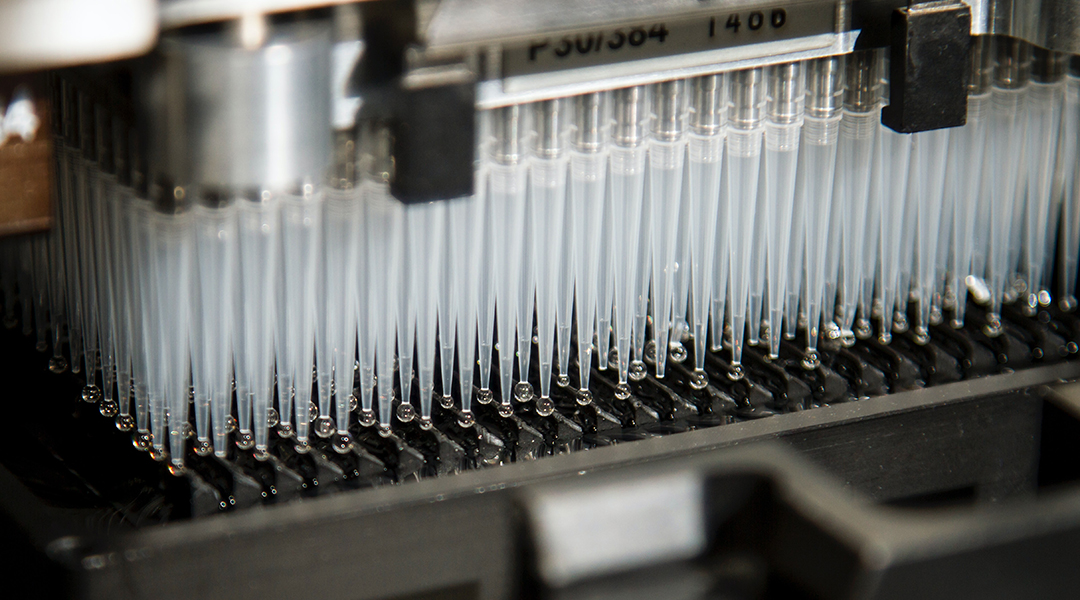
Stimulating neuron growth using a new mRNA therapy, researchers hope to treat chronic pain caused by disease, injury, or chemotherapy.
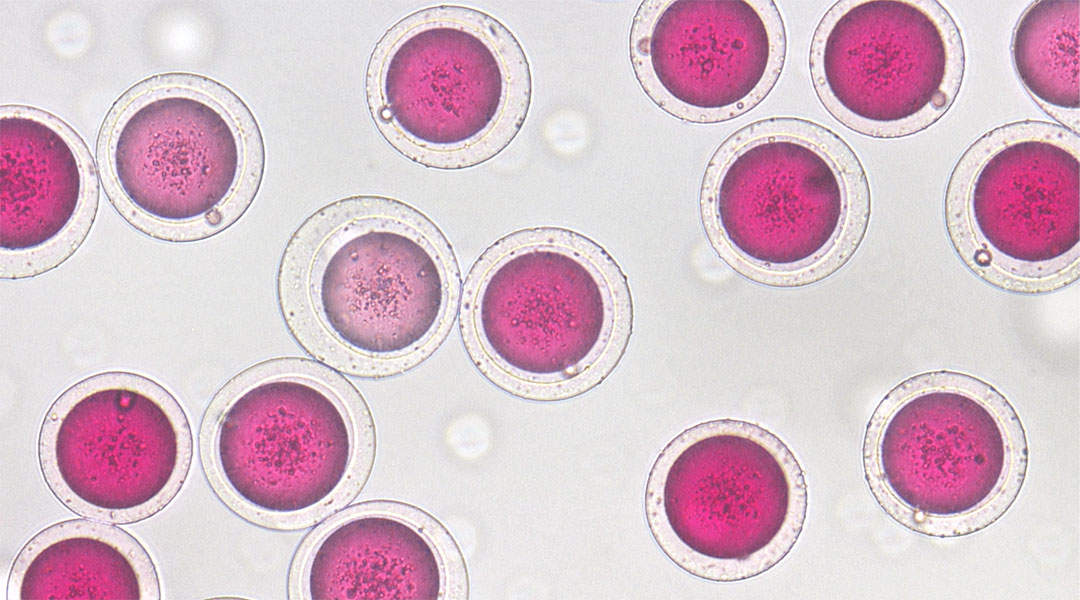
Check out atomic glimpses of graphene ribbons, double bubble microspheres, and a solar evaporator made from bone.
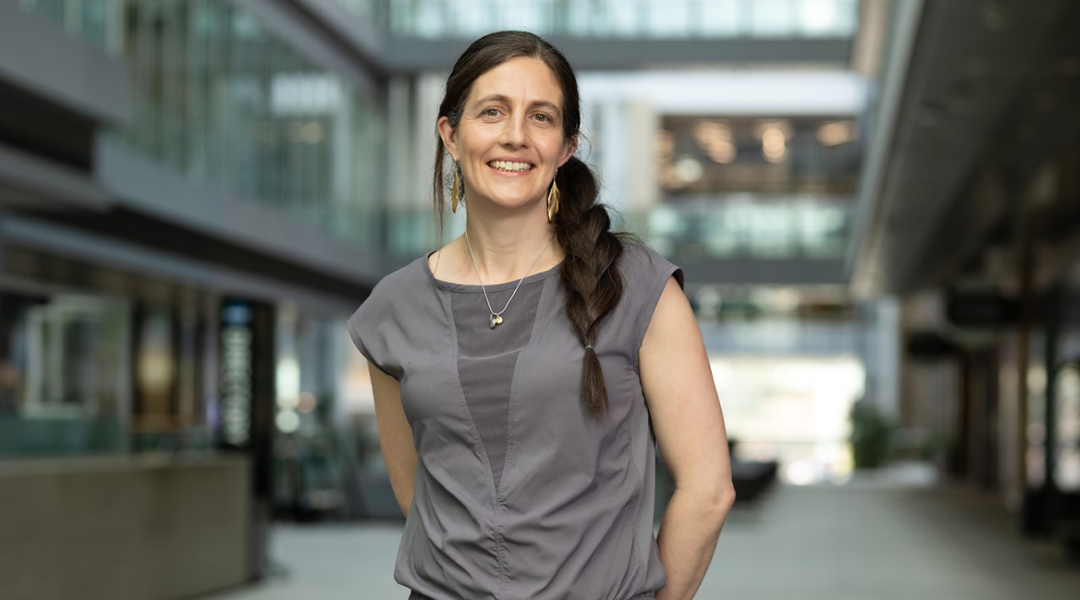
Using unique artificial microenvironments, chemical engineer Alison McGuigan is getting to the bottom of cell behavior.
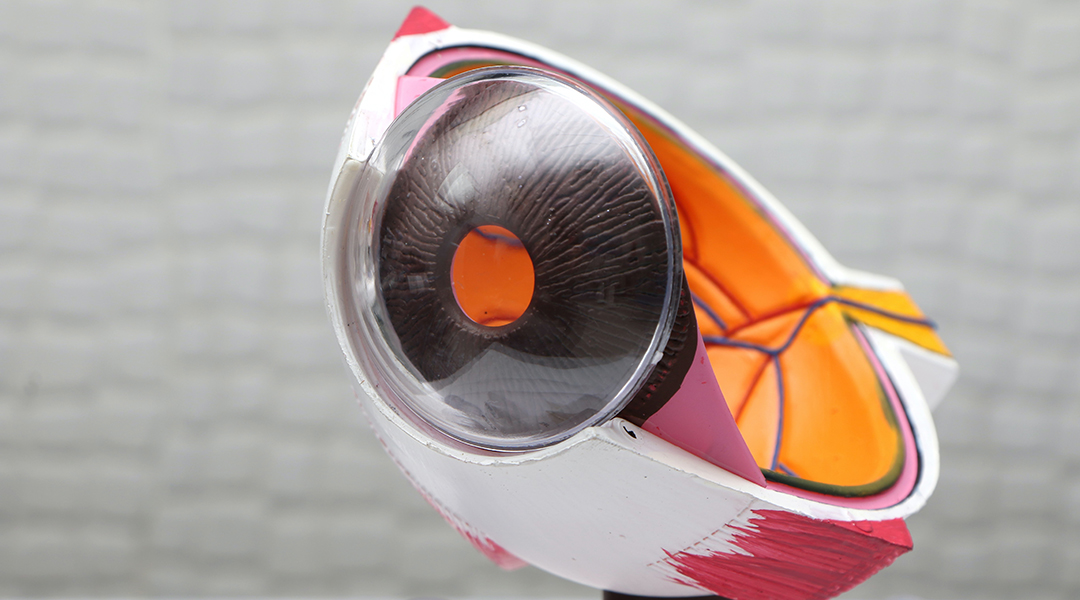
A tiny battery built into smart contact lenses produces its own power through eye blinking, relying on tears and oxygen to power its cells.
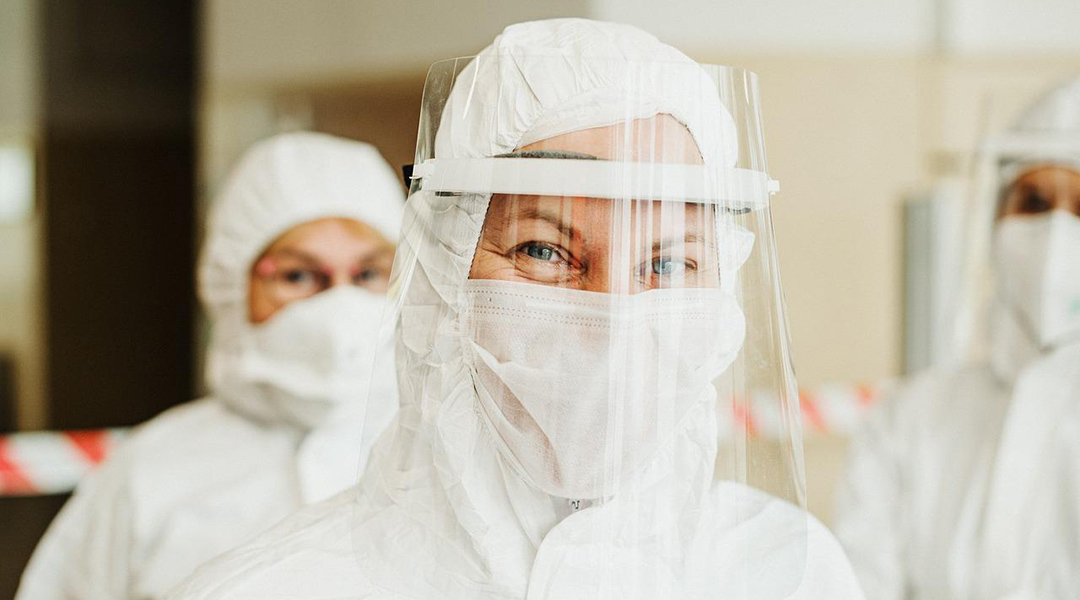
We need not be so concerned, say experts, as humans use more than just facial cues to read emotion.

Having organized all different formats of conferences, we believe that the hybrid format is here to stay.
 New theory suggests gravity is not a fundamental force
 Higgs boson may be driving the Universe’s expansion
 Water-powered gadgets may be on the horizon thanks to new evaporation-based energy device
 Scientists discover a new class of antibiotics
 Micron-sized hidden dimensions could solve two of physics’ deepest puzzles
 A new type of dark matter could explain mysterious radiation from the Milky Way’s core