Novel fluorescent technology targets urinary tract infections by enabling early, real-time detection of E. coli bacteria in catheter bags.
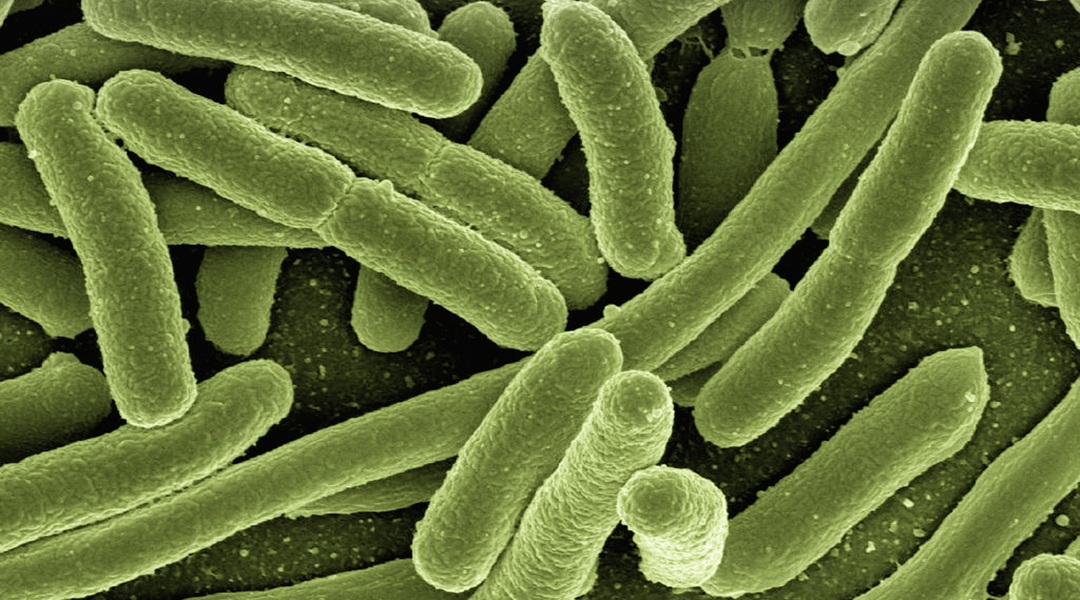


Novel fluorescent technology targets urinary tract infections by enabling early, real-time detection of E. coli bacteria in catheter bags.
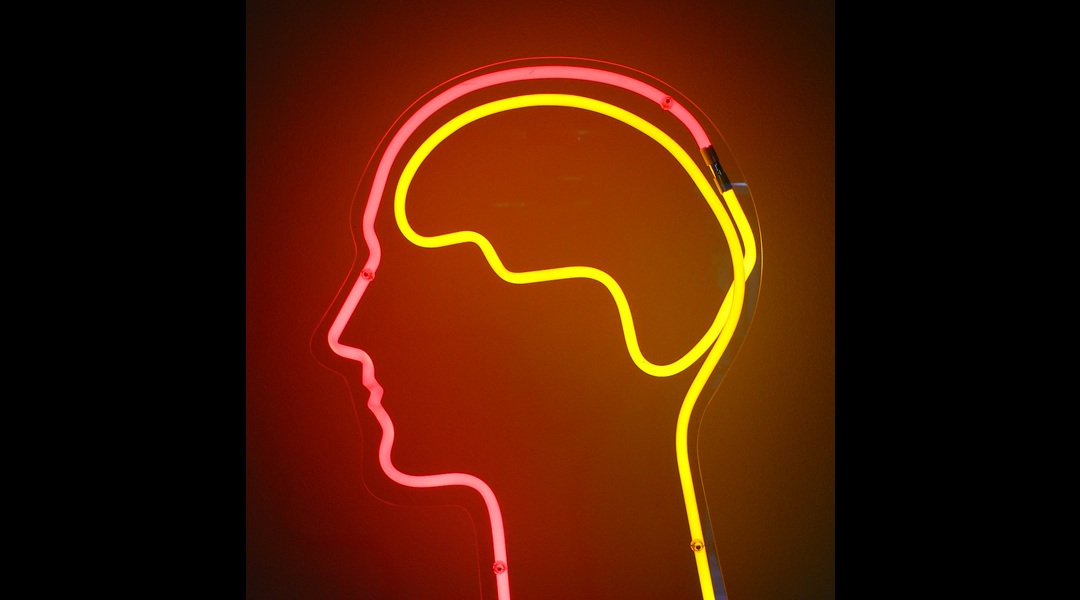
Scientists develop novel brain computational models to explore possible treatment benefits of psychedelics in disorders of consciousness.

For the first time, scientists have detected microplastics in cancerous gastric tissue.
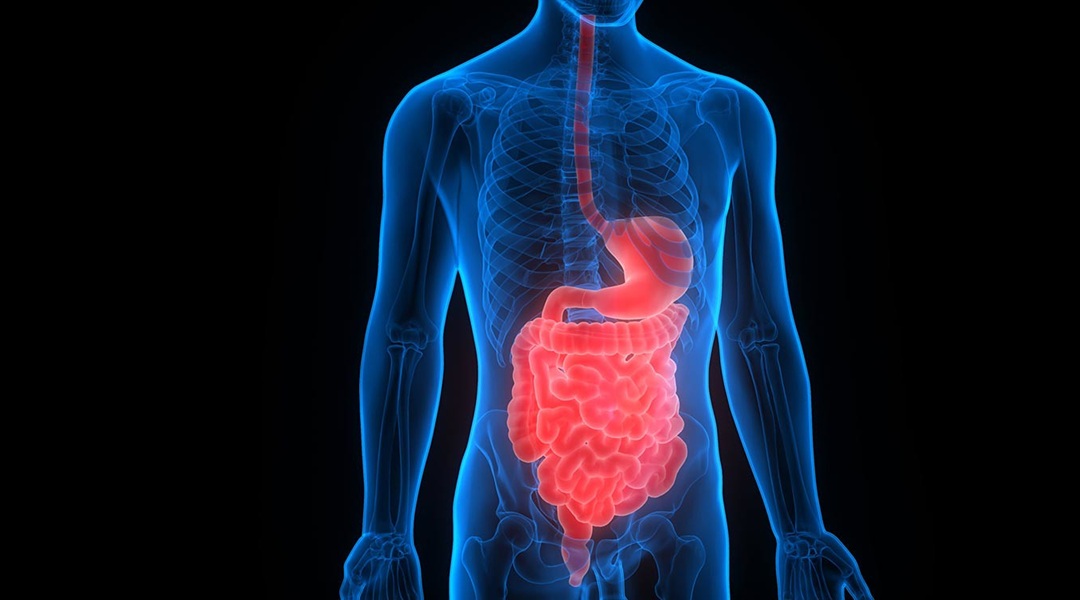
Traditional Chinese medicine inspires research into the benefits of honeysuckle for reducing inflammation and correcting gut bacteria imbalance in inflammatory bowel disease.
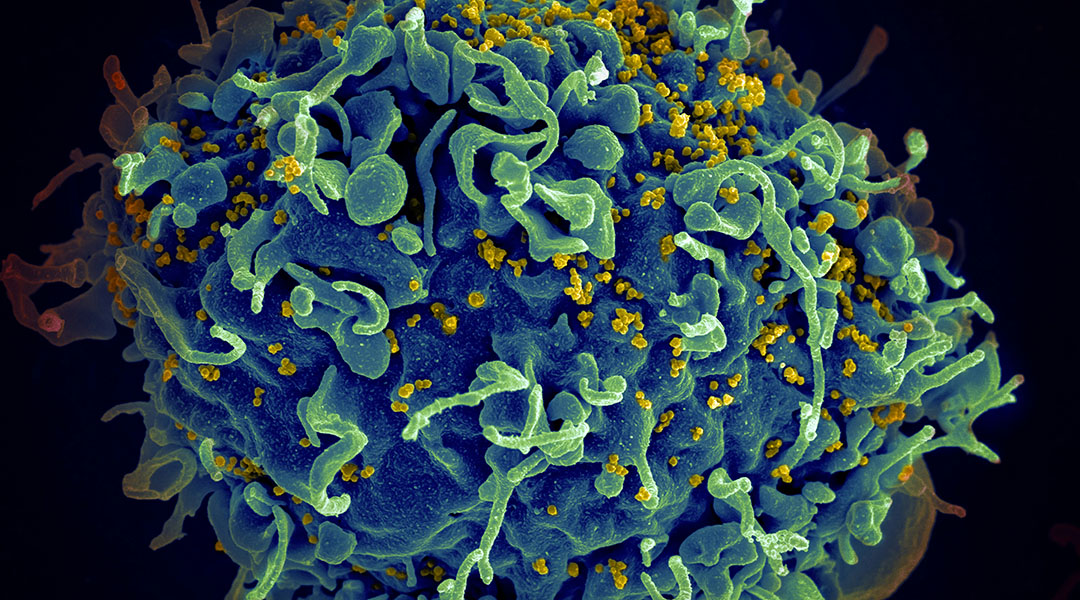
Scientists have identified key biomarkers linked to immune and metabolic dysfunction in people with HIV on long-term antiretroviral therapy.

Microplastics facilitate a “super slime” that is resistant to antibiotics, sparking concern about antibiotic resistance in heavily polluted areas.

Scientists have developed a marker pen to deliver tetrodotoxin, a powerful neurotoxin found in pufferfish, to treat severe skin pain.

Study finds that speaking multiple languages may improve executive functioning and reduce autism symptoms in children.
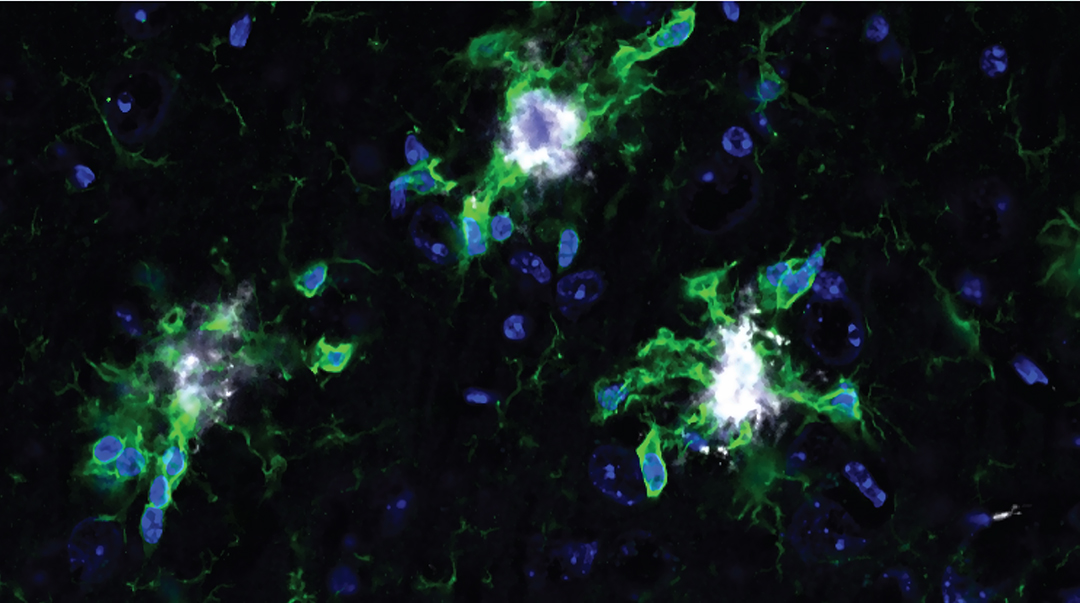
Inhaled xenon gas reduced neuroinflammation, brain atrophy, and boosted protective neurons in mouse models of Alzheimer’s.

The rapid growth of AI brings hope of unprecedented advancements in many sectors but what is its real carbon footprint?