Impedance spectroscopy allows sensitive, simple, cheap devices for the quantitative detection of persistent toxic pollutants.
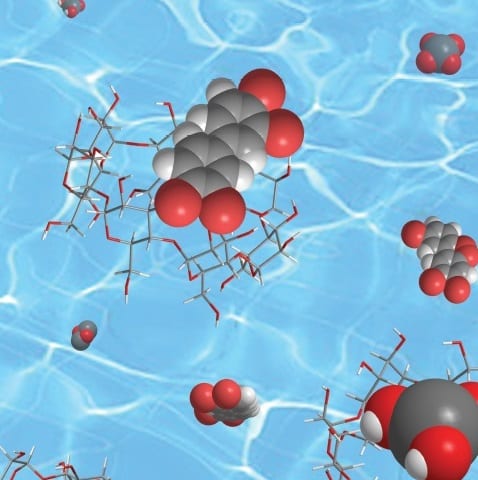

Impedance spectroscopy allows sensitive, simple, cheap devices for the quantitative detection of persistent toxic pollutants.

Researchers from the Netherlands present a timely overview on self-assembled fluorene or perylene based chromophores focussing on biological applications.
A multiple core–shell 3D printing method has been developed to fabricate soft, stretchable, fibre-based, capacitive strain sensors. The sensors can be readily integrated into conventional clothing and used in gait monitoring.
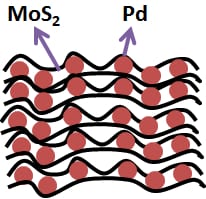
Researchers present a molybdenum disulfide–palladium composite system for highly sensitive detection of hydrogen at room temperature.
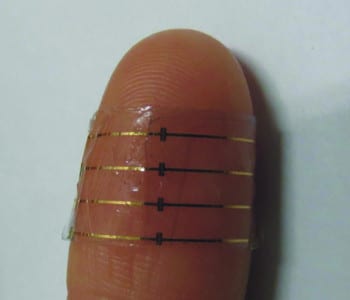
Recent research in to the biological applications of the organic electrochemical transistor is reviewed in the Journal of Applied Polymer Science
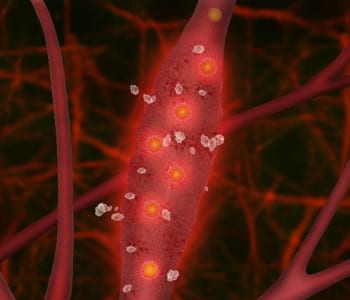
Researchers highlight the potential and current biological and biomedical applications of micro- and nanoparticle research.
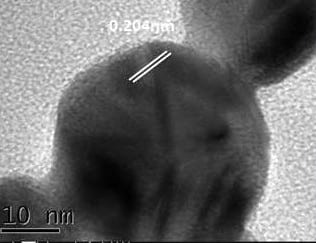
Researchers have developed a colloidal gold test strip for Cardiac troponin I detection based on microplasma generated gold nanoparticles.
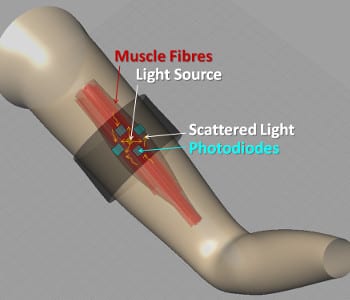
Researchers shine light into muscle to detect instructions for artificial limbs.
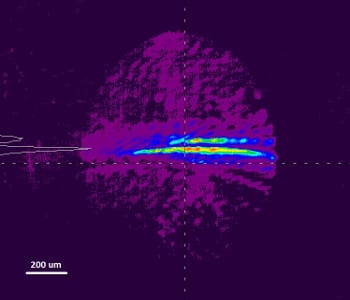
Researchers have demonstrated free-space laser excitation of whispering gallery modes in vertically suspended oil droplets, recording Q-factors of over 105.

The Terrones group at The Pennsylvania State University in the US has reported a controlled technique able to dope graphene with silicon atoms.

 Micron-sized hidden dimensions could solve two of physics’ deepest puzzles
 Turning Periods into Power: Menstrual Blood a Valuable Resource for Medical Diagnostics
 Bone loss in obesity traced to gut microbiota
 Surfactants Steer Supraparticle Structure
 Edible electronics realize safe, complex monitoring devices
 Fermilab Confirms Muon g-2 Measurements