A new journal from the Advanced Materials family covering all aspects of theory and simulation in natural sciences is launching in early 2018.


A new journal from the Advanced Materials family covering all aspects of theory and simulation in natural sciences is launching in early 2018.

Photonic crystal hydrogels for monitoring and removal of uranium in water.

A naturally occurring structural protein (silk fibroin) is used to generate a large inverse opal. Selective exposure to water and/or light can change silk’s conformation thus painting different structural colors.

2D nanostructured materials as promising gas-sensing materials for advanced sensors.
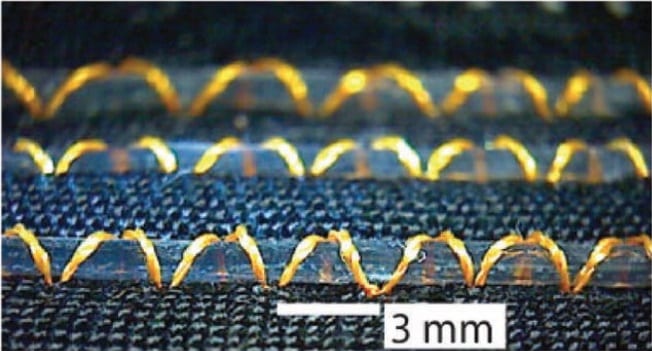
These stretchable optic fibre-based sensors could be stitched right into your clothes to monitor muscle strain during exercise.
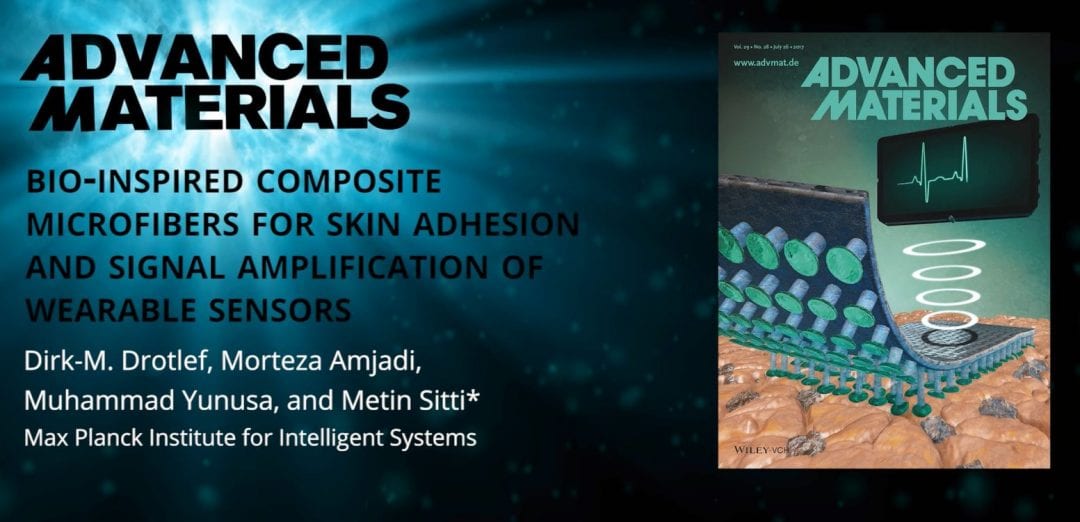
Researchers from the Max Planck Institute for Intelligent Systems develop a durable, flexible adhesive film for use in wearable healthcare devices.

The enhanced emission of Cu nanocrystals/MOF composites is selectively quenched by TNT.
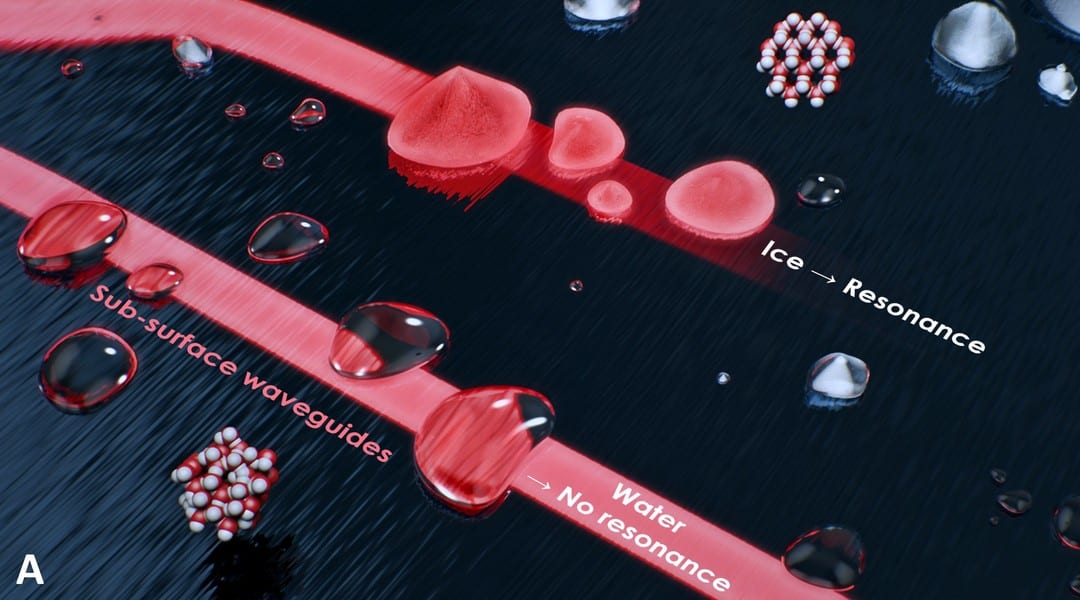
A new type of surface optical sensor for water capable of being embedded in aircraft wings with no influence on the aerodynamic design and capable of record high-performance.
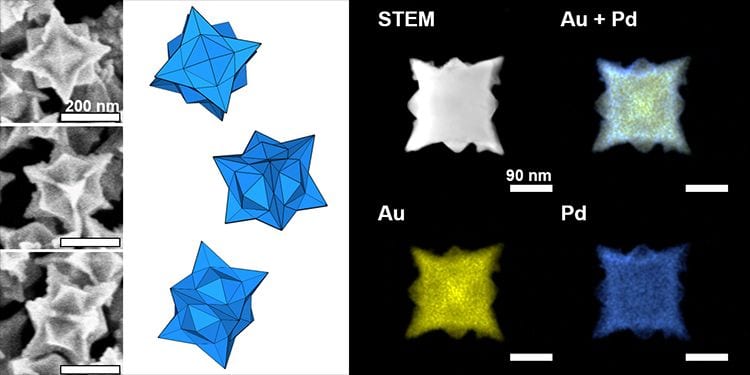
Discover how iodide can be used to control the shape of bimetallic nanoparticles for application in catalysis, solar-energy conversion and therapeutics.
Advanced Science celebrates its new impact factor with the publication of an exclusive review issue.
 New theory suggests gravity is not a fundamental force
 Higgs boson may be driving the Universe’s expansion
 Water-powered gadgets may be on the horizon thanks to new evaporation-based energy device
 Scientists discover a new class of antibiotics
 Micron-sized hidden dimensions could solve two of physics’ deepest puzzles
 A new type of dark matter could explain mysterious radiation from the Milky Way’s core