Via a bottom-up approach this research shows the production of scalable, stable InGaN nanowire photonic crystals for high efficient LEDs.


Via a bottom-up approach this research shows the production of scalable, stable InGaN nanowire photonic crystals for high efficient LEDs.
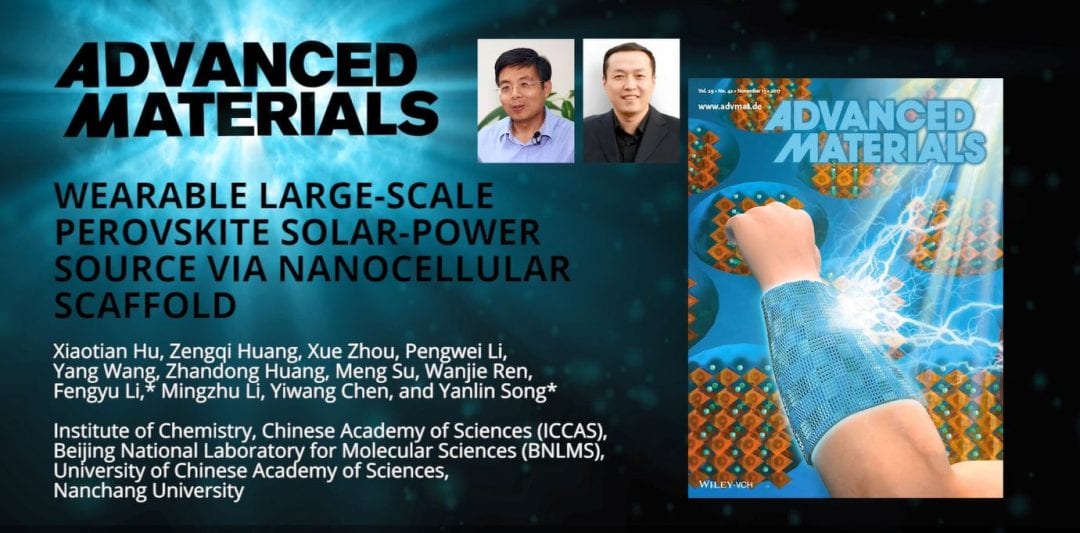
Fengyu Li and Yanlin Song from the Chinese Academy of Sciences, along with their co-workers, have designed high-performance flexible perovskite solar cells (PSCs) for wearable electronics using green printing technology.
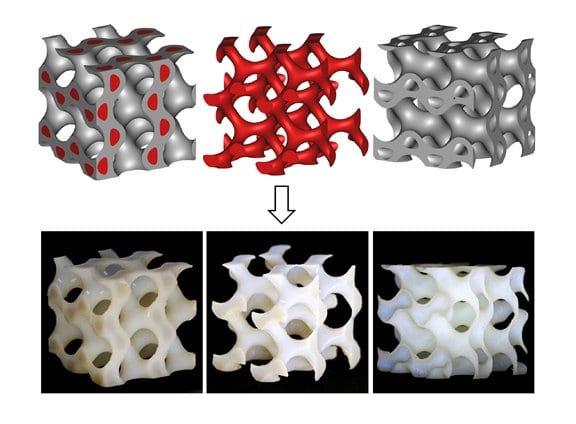
The use of Polyjet 3D printing technology to fabricate novel complex and architected lightweight cellular co-continuous composites has been proposed.
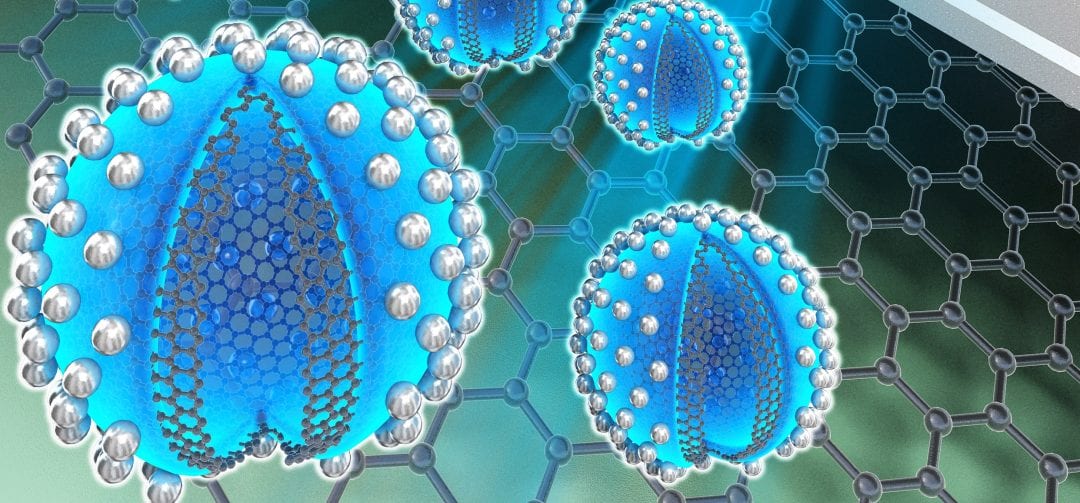
AMI presents the impressive covers of its current issue, highlighting electrochemistry, acoustic streaming, superhydrophobicity, and precision APT.
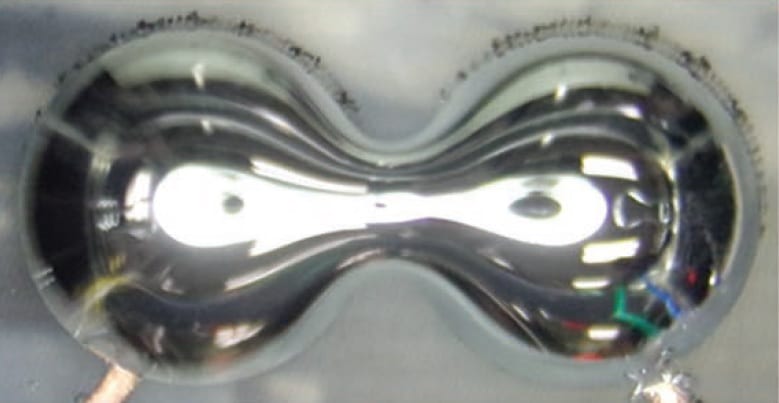
Exploiting electrochemistry to gain control over the interactions of liquid metal droplets enables reversible switching for soft circuitry.
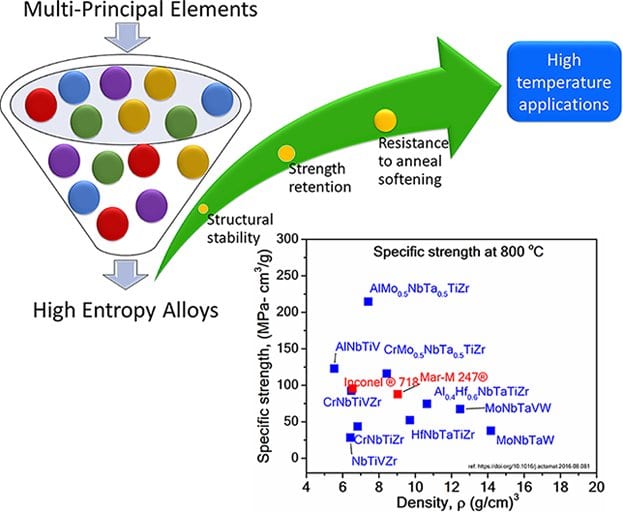
New work reviews advancements in the field of HEAs as a potential emerging material for high-temperature applications.

Taiwanese scientists create a new atmospheric-pressure plasma jet tooth bleaching method that is safe, cost effective and portable.

Dr. Marta Mas-Torrent and her team are developing high-performance electrolyte-gated field-effect transistors (EGOFETs), electronic devices capable of working in an aqueous environment.
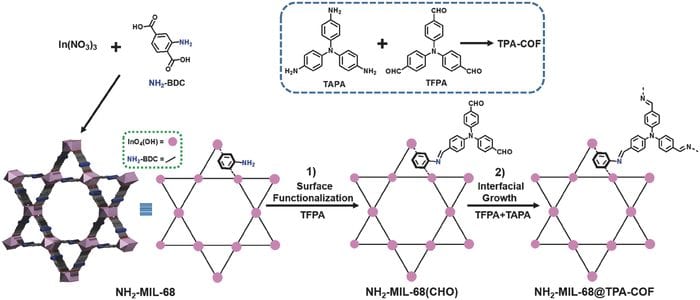
Hua Zhang and his colleagues in Nanyang Technological University presented an elegant strategy to synthesize a novel MOF@COF core-shell hybrid material.
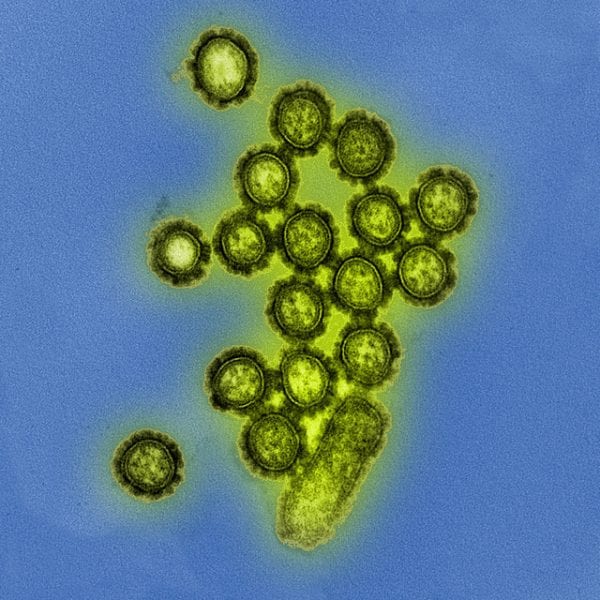
Polymeric nanoparticles acting as intracellular ROS regulators show promise as antiviral agents in influenza-infected kidney cells.
 New theory suggests gravity is not a fundamental force
 Higgs boson may be driving the Universe’s expansion
 Water-powered gadgets may be on the horizon thanks to new evaporation-based energy device
 Scientists discover a new class of antibiotics
 Micron-sized hidden dimensions could solve two of physics’ deepest puzzles
 A new type of dark matter could explain mysterious radiation from the Milky Way’s core