Replicating the hollow structure of polar bear hairs allows an insulating material to provide thermal management with stealth applications.


Replicating the hollow structure of polar bear hairs allows an insulating material to provide thermal management with stealth applications.

Smart windows switch between transparent and opaque states based on environmental cues. Researchers reveal a prototype that exploits plasmons, converting incident sunlight into local thermal energy to trigger the switch.
Multipartite designer nanoparticles are formed from the phage lambda decoration protein and can be used in a variety of theranostic applications.

Lithium-metal batteries can hold up to 10 times more charge than batteries that currently power our phones, laptops, and cars; but, they have one fatal flaw…

Cilia-inspired smart surfaces that sweep micro/nanometer-scale substances in a desired direction could inspire future drug-delivery systems and medical technologies.
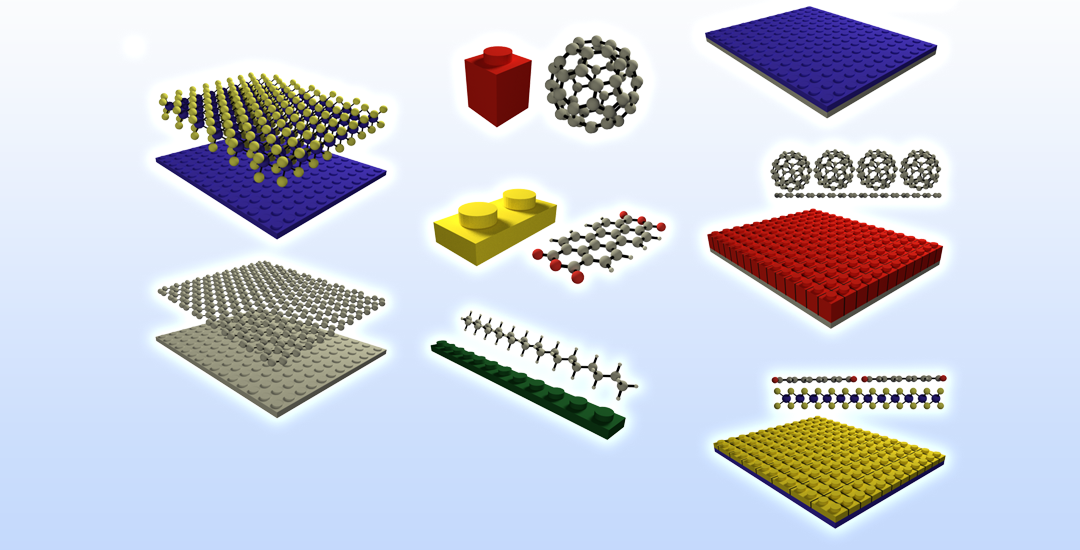
The many possibilties of hybrid organic/inorganic van der Waals heterostructure systems where highly-ordered (supra)molecular layers are interfaced with inorganic 2D materials are discussed.
![Low-Power, High-Speed Analog Computing [Video]](https://www.advancedsciencenews.com/wp-content/uploads/2018/03/adma201705914_ASN_image-e1521125299316.png)
Researchers from the University of Massachusetts and Hewlett Packard Labs present a memristor platform for analog computations and forecast a device performance at least 16 times greater than purely digital solutions.
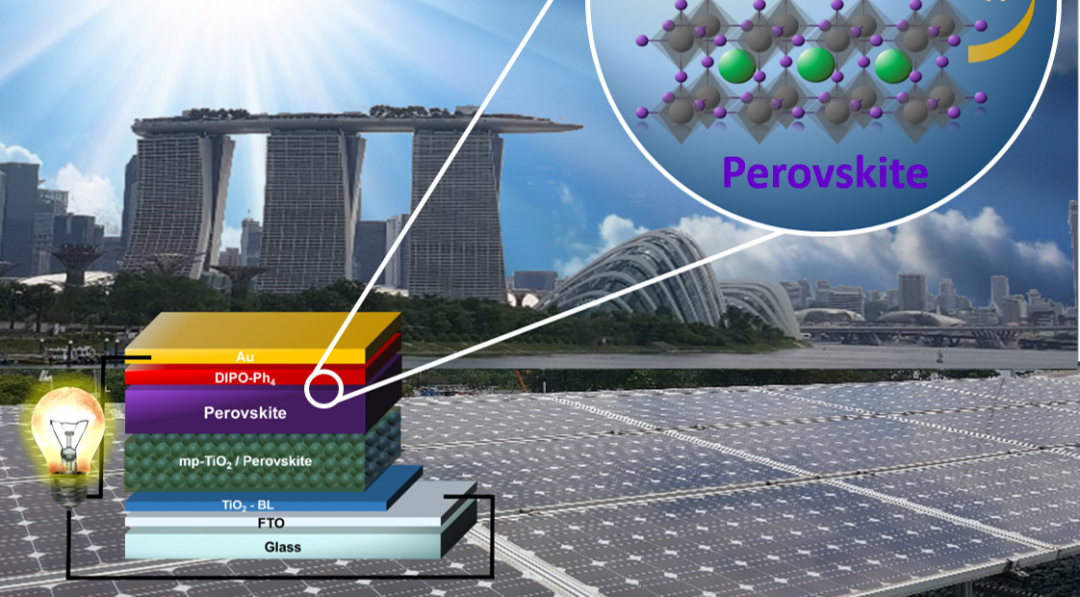
Prof. Subodh Mhaisalkar of Nanyang Technological University, Singapore discusses the future of perovskite optoelectronics in an interview with the editors of Energy Technology.
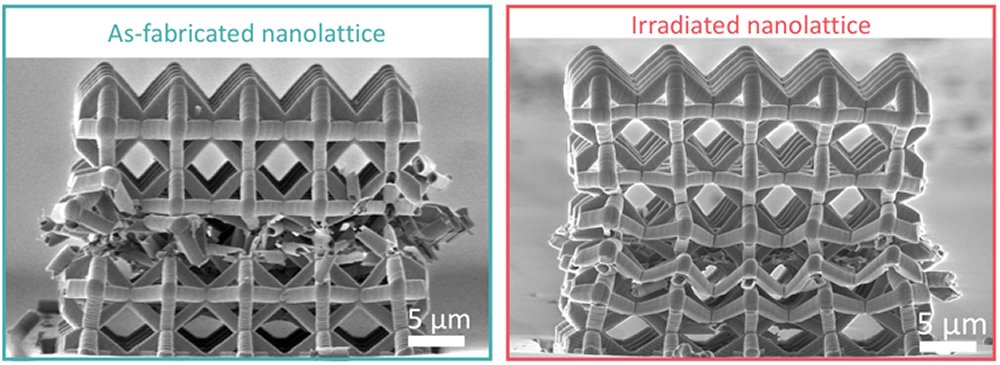
3D metallic glass nano-lattices are fabricated which are composed of hollow beams of sputtered metallic glass and which are 20 times lighter than their bulk-level counterparts.
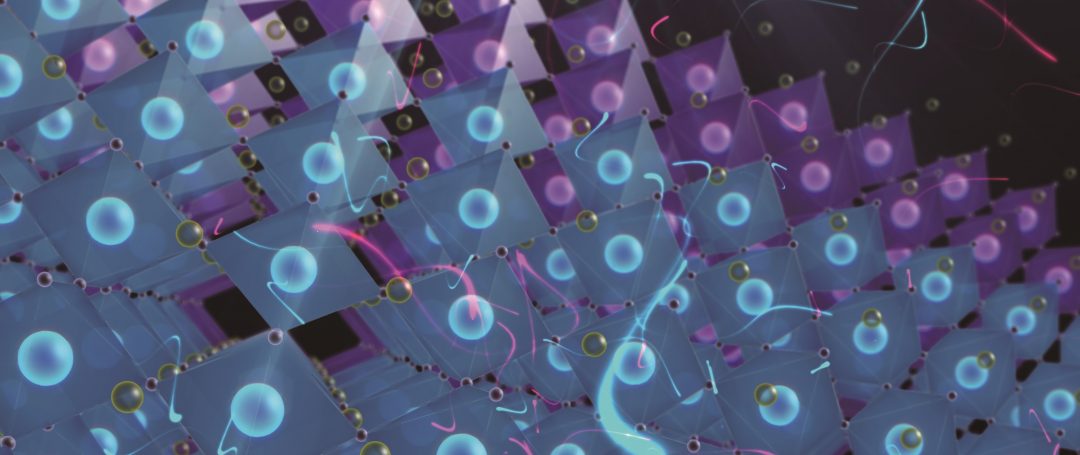
Electronic structure calculations on twenty-three different transition metals illuminate the optimum dopant choices to improve electron mobility in oxide perovskite heterostructures.
 Micron-sized hidden dimensions could solve two of physics’ deepest puzzles
 Turning Periods into Power: Menstrual Blood a Valuable Resource for Medical Diagnostics
 Surfactants Steer Supraparticle Structure
 Bone loss in obesity traced to gut microbiota
 Edible electronics realize safe, complex monitoring devices
 Fermilab Confirms Muon g-2 Measurements